Checklist for May Gardening

checkbox[1] Protect your cherry crop! Prevent wormy fruit. Start spraying with Captain Jack’s spinosad weekly when fruit begins to change from green to strawberry color.

checkbox[1] Feed roses now and every two weeks for maximum rose production. Use MaxSea plus Kelp Sea Life for the trace elements and minerals.

checkbox[1] Thin apple, plum, apricot and peach crops if too much fruit has set, you’ll get fewer but larger, juicier fruit.

checkbox[1] Ladybugs and praying mantis to the rescue! Control aphids, beetles, scale and leafhoppers naturally.

checkbox[1] Deep-root water trees and shrubs. Never depend on lawn watering to take care of trees and shrubs. The use of soaker hoses helps deliver deep water as well. Your trees and shrubs will thank you for doing this at least monthly through the warmer months.

checkbox[1] Do you have small sucking bugs on your vegetables? Use vegetable safe Bonide All Season Spray Oil.

checkbox[1] Plant 4-inch or larger vegetable plants and save several weeks of growing time. Remember to protect them from hungry snails and slugs with Sluggo Plus or pet safe Sluggo. Both are labeled for organic gardening, both control slugs, Sluggo Plus controls insects too.

checkbox[1] Prevent olive fruit set with Florel Fruit Eliminator. Spray the olive when the tree has just reached full bloom. Olive flowers are tiny, so watch carefully. Full bloom usually occurs in early May. Spray the whole tree thoroughly. We have the names of commercial spray companies that can help too.

checkbox[1] Turflon Esther for Bermuda grass control controls that wiry-stemmed, nuisance weed Bermuda grass. It also works wonders on Oxalis, a yellow clover look-alike.

checkbox[1] The miracle of mulch. As well as looking good, mulching conserves water and suppresses weeds and keeps roots cool. We suggest a mulch layer of 4 inches thick. Don’t mulch right up to the plant trunk or stem. Leave 4 to 6 inches of breathing room.

checkbox[1] Protect the trunks of fruit trees with Go Natural Tree Trunk Paint. Applying this coating to the trunk will reflect heat away from the tender tissue and protect the trees.

checkbox[1] Regular feeding for Citrus. Citrus performs well with monthly light feedings of fertilizer specifically formulated for Citrus. This will ensure that your tree gets a nice even supply of food year-round instead of occasional periods of highs or lows. We recommend Master Nursery Citrus Food, or for a completely organic approach, use E.B. Stone Citrus and Fruit Tree Fertilizer. Make quarterly applications of Iron Sulfate for optimum feeding and greening.

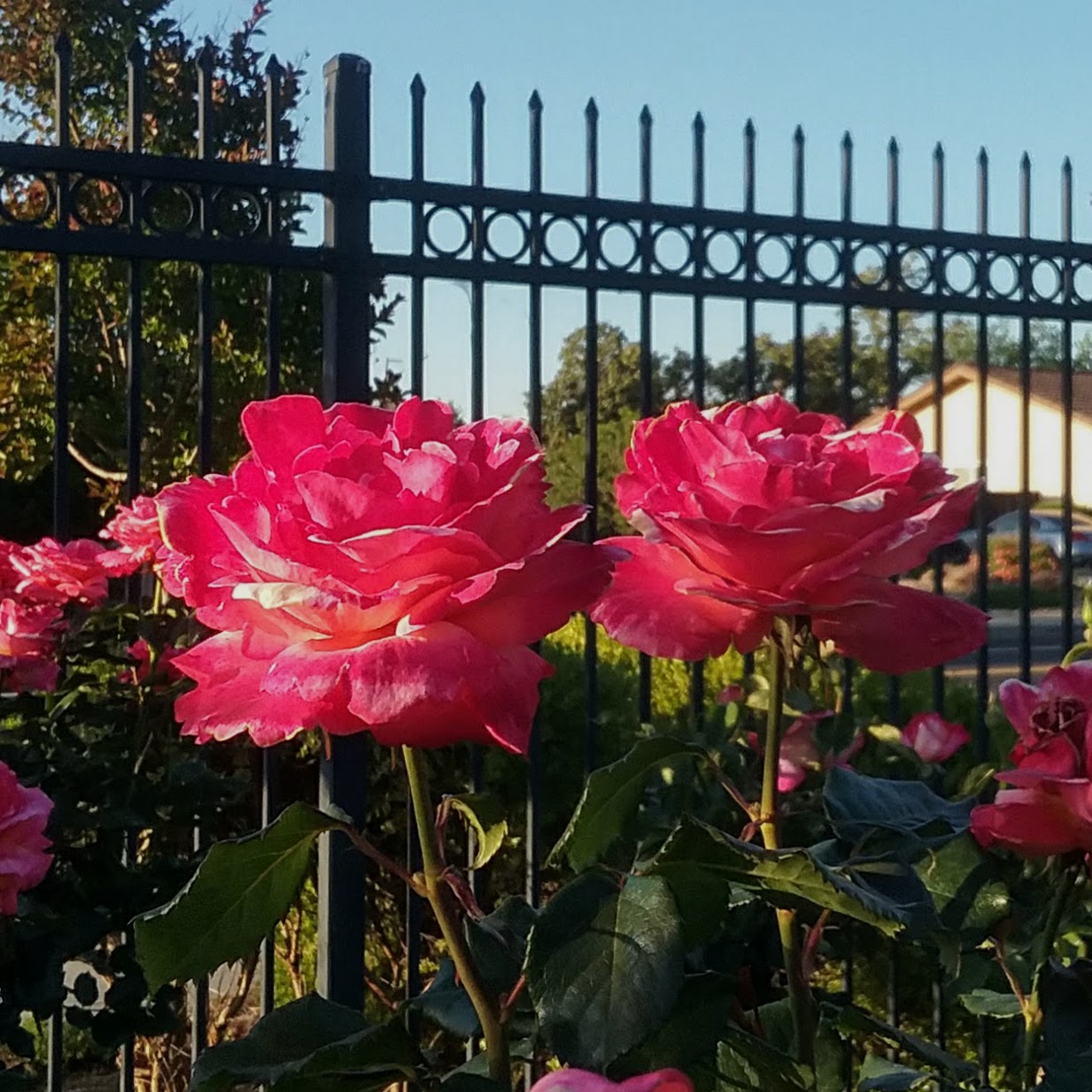
checkbox[1] Prep your roses for the second wave of bloom! Cut back and feed roses as the first set of blooms fade. Feed with Master Nursery Rose and Flower Food. Water and stand back (roses typically rebloom six weeks after pruning and feeding. For special treatment, feed roses with water-soluble Maxsea. It can be sprayed on the leaves and gives the plant a dark glossy appearance.
Hummers & Butterflies

Your garden can be much more than a lovely, serene place for family and friends to gather. It can be a bird and butterfly oasis. Creating this oasis doesn’t take much more than planting the kinds of plants which will attract birds and butterflies.

To help get you started, we’ve listed some of the annuals and perennials that will entice these critters into your garden. Remember that birds need to feel protected before they begin to gather so try centering these plantings near or around groups of established trees and shrubs.

Hummingbirds and Butterflies enjoy many of the same features in your garden. Both enjoy flowers for food, shelter from the weather, and a place to bask in the sun. Water is another essential — a hollow in a rock or a shallow birdbath can provide the needed water and hours of enjoyment to the observer!! Both hummingbirds and butterflies like to fly freely; and will give aerial shows almost hourly!

A well-planned garden with the proper plants and positioning is the secret to luring hummingbirds and butterflies. Even better, it is also practical and attractive…

Lantana

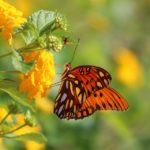
Flowers in reds and yellows provide a nectar source for butterflies.
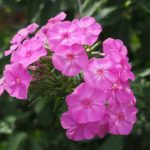
Phlox

Butterflies and hummingbirds take nectar from the white and purple flowers. Other birds feed on the seeds in the fall.
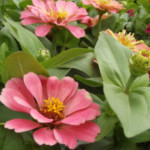
Zinnias
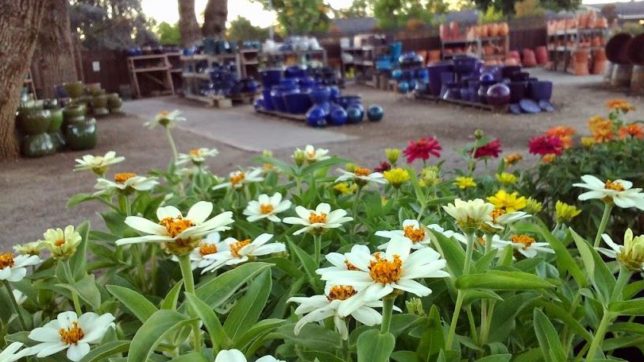
Zinnia Magellan Salmon

Flowers provide nectar for butterflies while birds eat seeds in autumn and winter. Single flowering varieties are best.

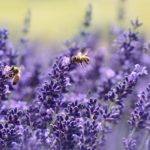
Lavender

Fragrant purple flowers attract butterflies for nectar.
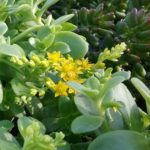
Stonecrop (Sedums)

Butterflies take nectar from the small pink flowers that bloom from August to September.
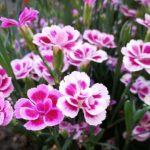
Sweet William (Dianthus)

Red, white, rosy purple flowers provide nectar for butterflies.
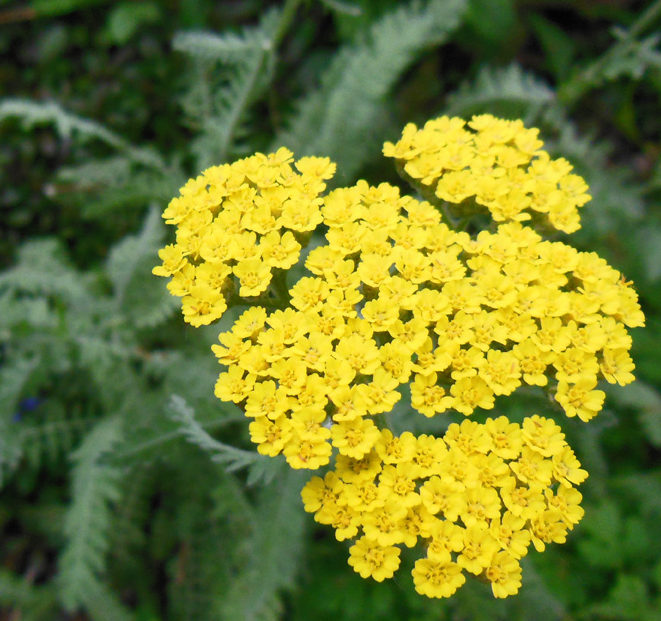
Achillea (Yarrow)

Yarrow is easy to grow and rewarding with sprays of summer flowers, making great butterfly landing pads. Ladybugs are attracted to this plant as well as butterflies. Grows 18″-24″ high.

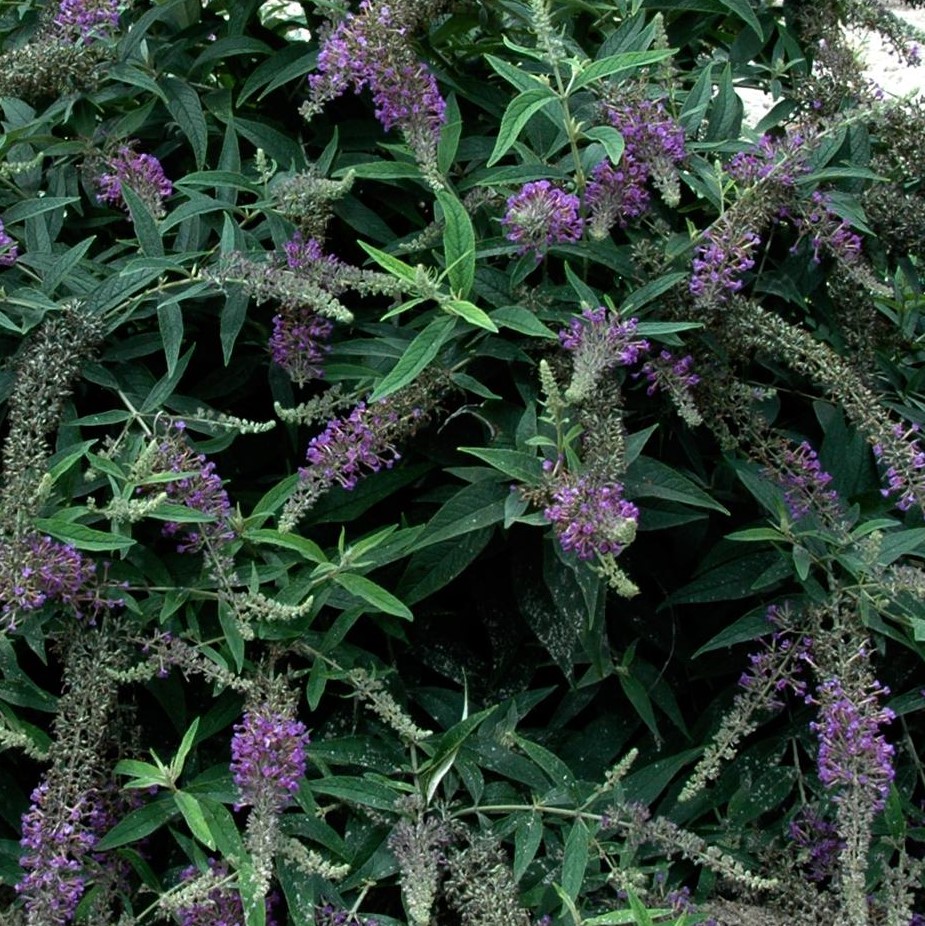
Buddleia davidii (Butterfly Bush)
Purple Haze

Can reach 9-15 feet. Cut to knee high in November. Reblooms through summer if old blossoms removed. Great for both hummingbirds and butterflies.

Salvia Greggii (Autumn Sage)

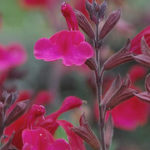
This, and in fact, most sages are hummingbird attractants. Blooming for over half the year, Autumn sage is found in shades of red and pink.
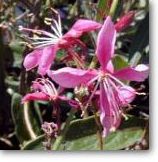
Gaura lindheimeri

Can almost bloom its heart out. May remain in bloom 6 or more months. 2-3′ high and wide. Attracts hummers and butterflies.
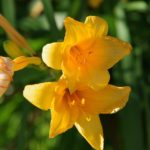
Hemerocallis (Daylily)

Easy to grow, strap leaves are a nice contrast. Flowers are 2-3′  and attract both hummingbirds and butterflies.
Hydrangeas

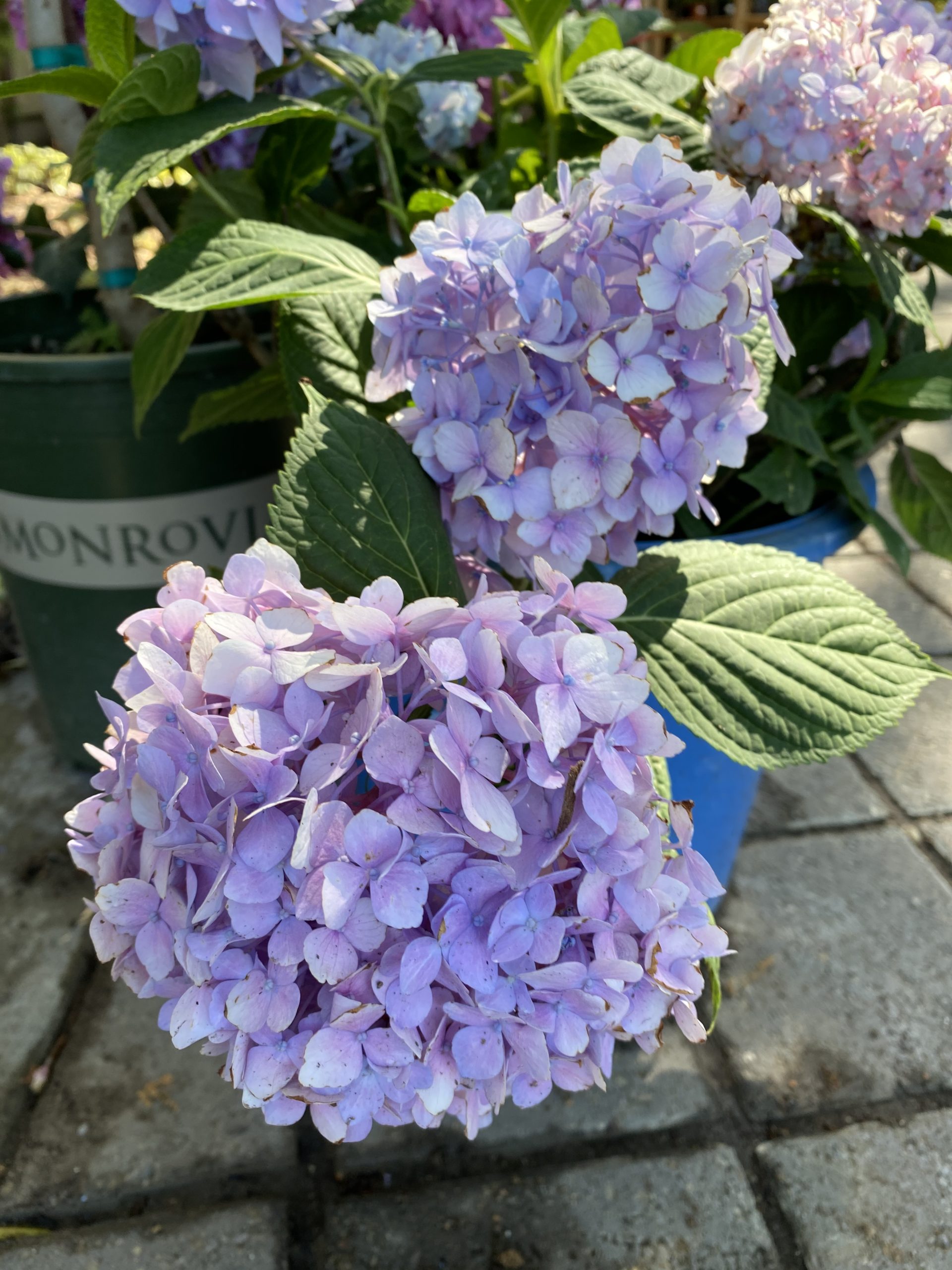
Hydrangeas are among gardeners’ favorite blooming shrubs, especially for the summer shade garden.  They are available in a wide variety of colors and types from white, pink, purple, blue and mixed colors. Their flowers are large and range in shapes from pom-pom-like globes to lace bouquets.

The different shades of blue, pink and white reflect the acidity level of the soil – blue or purple in acid soils, pink or purple/red in alkaline mixtures — this allows you to choose the color of your hydrangeas. In our Valley soil, hydrangeas are naturally pink, you can make yours blue by applying Hydra Blue (aluminum sulfate).

Hydrangeas are low maintenance, fast growing and attractive both as single plants or mass planted. The Endless Summer® series have the ability to produce new flowers repeatedly. It is not unusual to see them blooming well into December. Older varieties typically bloom only once per year and need careful pruning.

Choosing The Right Site
All hydrangeas perform best in dappled shade, with evenly moist, well-drained soil. Ideally, a location where they will get minimal morning sun and plenty of afternoon shade. A semi-shady corner set among ferns for color contrast will enhance any yard landscape. The plants have a stocky growth pattern and will reach 3-5 feet in height and width so be sure to choose an area with enough space.

Hydrangeas are “heavy drinkers,” we have found you can cut your watering in half by adding “Soil Moist” polymer granules to your planting mix.

How To Plant Your Hydrangeas Step-by-Step:

  • Prepare a hole approximately twice as wide as the root ball. Then mix the soil from the hole with an equal amount of Acid Planting Mix. Add Master Start Fertilizer (adjust amount for size of plant) and 2 Tbsp. of Soil Moist to the mix.
  • Backfill the hole with this mixture leaving the top of the root ball at ½ inch higher than the surrounding soil.
  • Add mulch around your new plant taking care to leave a 6″ space around the stem.
  • Keep moist in hot weather.
  • Feed monthly from March through September with Master Nursery Camellia Azalea Gardenia Food.

Things You Will Need:

  • Acid Planting Mix
  • Soil Moist
  • Master Start Fertilizer
  • Master Nursery Camellia Azalea Gardenia Food

April 6th is California Poppy Day

eschscholzia

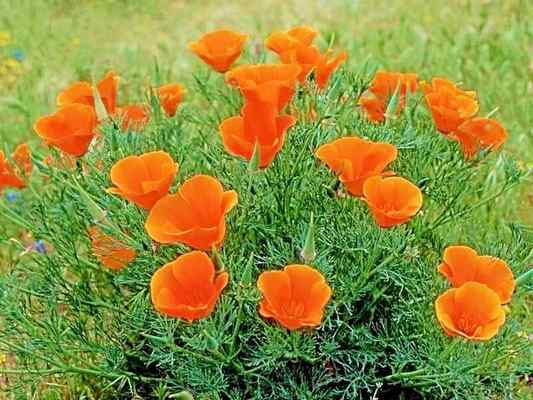
Many people love the brilliant golden blossoms and delicate frilly, fernlike blue-green foliage of the California poppy. The California poppy or Eschscholzia californica — a member of the Papaveraceae or poppy family — is native to California, Baja California and Oregon. It now ranges from Washington to Baja California and throughout California, Nevada, Arizona and New Mexico.

California poppies (Eschsholtzia californica) are native to the Western United States, including California. The poppies have many uses, including harvesting California poppy seeds to plant or taking cut flowers to brighten up your home. The flowers grow in U.S. Department of Agriculture plant hardiness zones 6 to 10 and generally bloom from February through September.

On Dec. 12, 1890, the California State Floral Society voted to select a state flower. The three nominees were Eschscholzia californica, the California poppy; Romneya coulteri, the matilija poppy; and Calochortus, the mariposa lily. After almost 13 years, the California Legislature adopted Eschscholzia californica as the official California state flower on March 2, 1903. Seventy years later, in 1973, the law was amended to designate April 6 of each year as California Poppy Day.

A favorite as an annual springtime ornamental planting, Eschscholzia californica can be a perennial in mild areas or it can be an annual in cooler conditions. It is easy to grow. Just scatter seeds in the fall where you would like them to bloom in the spring. The California poppy loves full sun but appreciates a little afternoon shade. This rugged plant is extremely drought tolerant and rarely needs fertilizing.

Eschscholzia californica was first described by Adelbert von Chamisso, the naturalist on the Russian ship Rurik, captained by Otto von Kotzebue on its scientific expedition to California and the greater Pacific in the mid-1810s. Chamisso named the genus in honor of Johann Friedrich Eschscholtz, his close friend and the expedition’s physician.

A Lilac in Every Garden

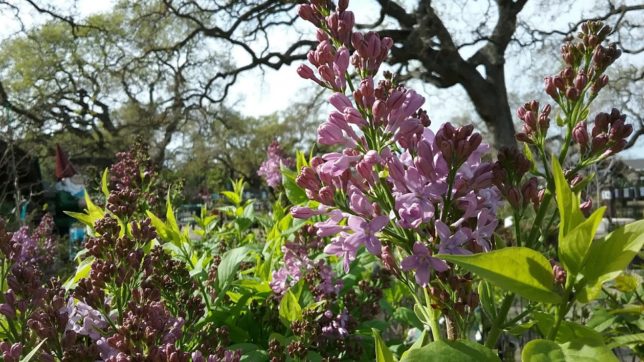
Lilacs have been around forever. Their nostalgic fragrance will transport you to earlier times and bring a smile to your face. Their romantic fragrance has inspired poetry, songs, romance and for many bring fond nostalgic memories of springs past. It is a MUST HAVE and a grandmother in your life – or me – would agree!

From bud through bloom you’ll enjoy lilacs for 6 to 8 weeks usually in April and early May. They indeed say, “Spring is Here.” Soak up their beauty in the garden or cut in a vase.

These deciduous shrubs are the perfect reminder that warmer days are soon to come. They can be used as a hedge or screen in the landscape, a single accent, or planted in mixed borders. Lilacs attract hummingbirds and butterflies and are surprisingly resistant to deer. We have a selection of different sizes and colors that will bloom in your garden this year and many years to come. What’s important to remember is where they would happily live and where you would like them to grow. Since lilacs lose their leaves in winter and are in glorious bloom for 6-8 weeks in spring, my suggestion is they be planted in an area that’s not the highest profile but certainly within ‘enjoyment’ view. 

Lilacs will prosper in our heavy Valley soils; transplant easily; are drought tolerant; prefer full sun, with a touch of afternoon shade, but will grow in light shade. They will endure a wide range of temperatures — our occasionally frosty valley winters will not phase the hardy lilac, they like the winter chill.

Low maintenance and very forgiving of occasional neglect, lilacs are ideal for busy valley weekend gardeners faced with time conflicts. All they ask is well-drained soil with good air circulation and lots of sunlight. In return, they will give you good looks, a fragrant bloom and cut flowers your neighbors will envy.

One of the oldest European garden favorites, Lilacs were spread throughout the world by Dutch, English, and French settlers and now adorn gardens and landscapes from America to China. Many mid-West and Eastern Gardeners in California yearn for lilacs to remind them of home.

Lilacs are a treasure in people’s hearts and minds for their classic scent and beauty. Establish them in spring before summer heat arrives and enjoy them for generations to come. We have several varieties for you to select from. Come and find just the right color to add to your garden and do some “Time Traveling” with its perfume.

Dave’s Rose Fertilizer Program

Learn from the Winning Rosarians – Feed your Roses now for a glorious display in spring. This feeding program is inspired by the late, David Lowell, a local rosarian and friend who developed a number of hybridized roses and always took home ribbons for his rose show entries.

Dave’s Rose feeding program provides for general plant vigor and beautiful looking roses! For use on established roses only (planted for at least six months). Apply in MARCH.

For each rose apply:

  • Master Nursery 16-16-16 – 1/2 cup/rose (5# bag for 18 roses)
  • Bone Meal 1/2 cup per rose (4# bag for 18 roses)
  • Sulfur* 1/2 cup per rose (5# box for 18 roses)
  • Gypsum 1/2 cup per rose (5# box for 18 roses)
  • Magnesium Sulfate 2 Tbs. per rose (5# box for 70+ roses)
  • Chicken Fertilizer 1 shovel per rose (1 bag for ~ nine roses)

*to supply sulfur, use one of the following: Iron Sulfate, Iron Plus*, or Soil Sulfur. Iron-containing products can stain. Wash off adjacent paving after ­application. (*Iron Plus is non-staining.)

Water your roses deeply the day before feeding.

Sprinkle the first five ingredients around each rose and mix into the soil if possible. Then sprinkle the chicken fertilizer around each rose and water everything in.

A two-inch mulch layer may be put around your roses to conserve water and insulate roots from the summer heat. Pull the mulch back 6″ away from the plant stem.

Start Morning Glory Seeds

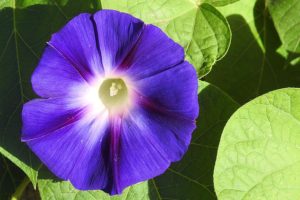
Start annual morning glories from seed this month and establish them in the garden or a pot by summer! Morning glories are one of the most stunning of the old-fashioned garden flowers. Flowers are huge – three to five inches across – and bright, colorful blue, purple or pink. Best of all, morning glories are easy!
Start indoors to transplant later, or directly sow in the landscape now.  Improve the soil by mixing a couple of inches of Gold Rush soil conditioner into the garden soil. Plant seeds a half inch deep. Water to get them started.

Morning glories from seed are typically annuals, dying completely in winter, though they will most likely reseed to sprout next year.

Try planting morning glory among sunflowers.  The sunflowers will grow quickly, providing a natural trellis for the Morning Glory to climb.  Sunflowers also may be started from seed outdoors now or in the coming weeks.

Happy Wanderer – Vine Lilac

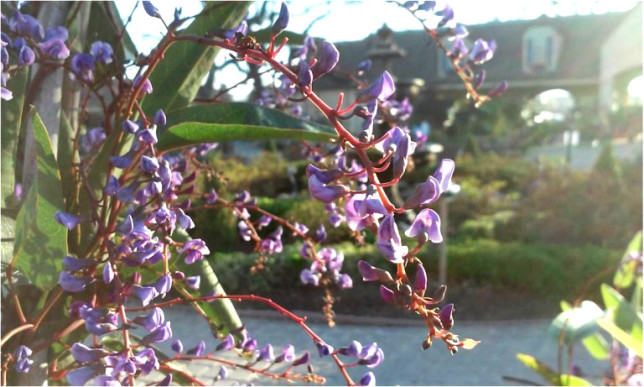
The Happy Wanderer Vine Lilac is making quite a show of itself, blooming in the nursery right now. It is a beautiful, climbing vine with some winning attributes; it is drought tolerant, winter-blooming and evergreen, to name a few.

It’s the cascade of purple blooms brightening the garden in late winter and early spring that makes this vine stand out most. Few other plants are blooming at this time, and this one looks fabulous!

An Australian native, growing to about 10′ Happy Wanderer Vine Lilac can handle both sun and bright shade. It is hardy to about 20 degrees and at 10 ft. It won’t get out of hand.  It is perfect for climbing up a small structure such as an obelisk, or tumbling out of a large container. It has been successfully grown over a small arbor as well. It also grows beautifully as a bank cover by pinning the branches down. Did we mention it’s evergreen? What’s not to like about this beauty?

Plant and enjoy now, then cut back after bloom to prevent tangling.


Deciduous Magnolias

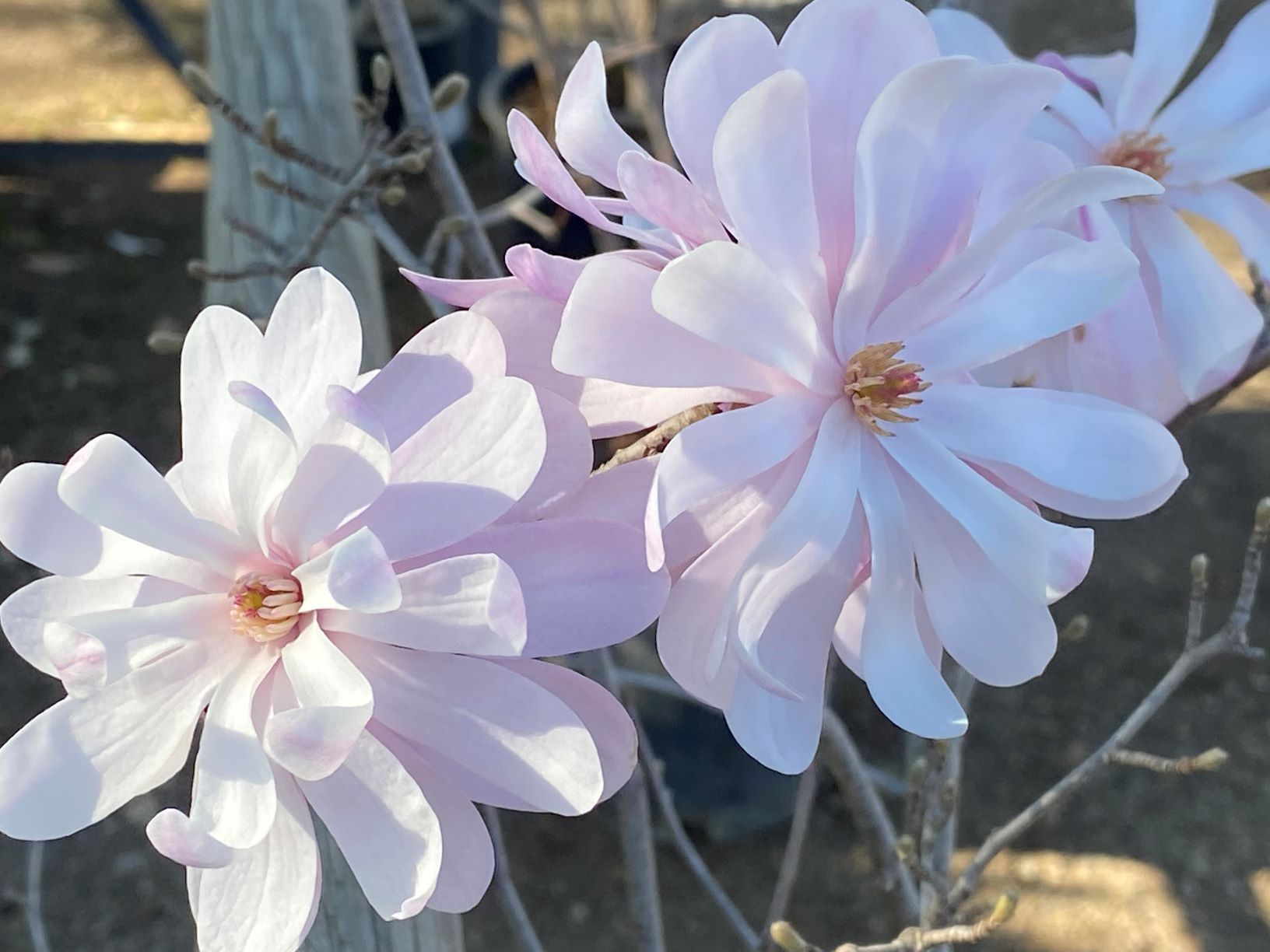
The various deciduous magnolia hybrids are commonly referred to as tulip trees. They display an abundance of large, tulip-shaped flowers in early spring. The flowers can be up to 12 inches in diameter, depending on the variety.

Deciduous magnolias drop all their leaves by December, revealing their large silvery buds. Even in the darkest days of winter, the budded magnolias are ripe with the promise of spectacular early spring bloom.

Deciduous Magnolias would be happiest when planted in an area that gets a mid-afternoon shade break. E. B. Stone Acid Planting Mix is a worthwhile addition to our soil.

The next month is the best time to see the Magnolias in bloom. Shop early for the best selection, and you will find that Yes — Tulips do grow on trees!

Australian Native Plants

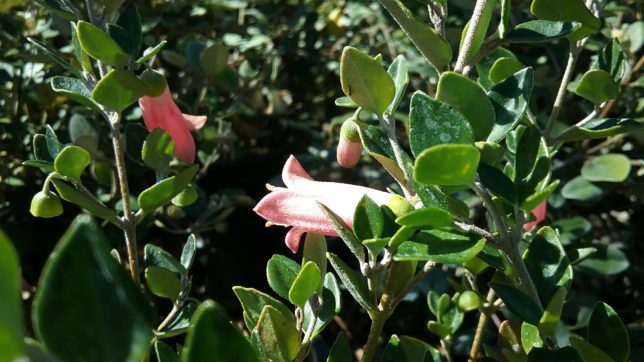
Correa – Australian Fuchsia blooms in light shade

Australian native plants are blooming in the garden now. Plants from the “Land Down Under” are unique in form and flower – they are nothing like you will find elsewhere. Australian plants have unique shapes and colors and add interest to our winters when fewer things are blooming. Colorful Aussie Natives are happy California transplants and most are water wise.

Australia’s climate is Mediterranean, similar to central California, dry in summer with mild, wet winters. We are a bit cooler here in the winter. Most of these Aussie natives are hardy to 20 degrees F. They are evergreen and flower from winter through spring bringing a bright spot of color to our winter gardens and tend to be great in terms of low water use.

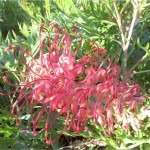
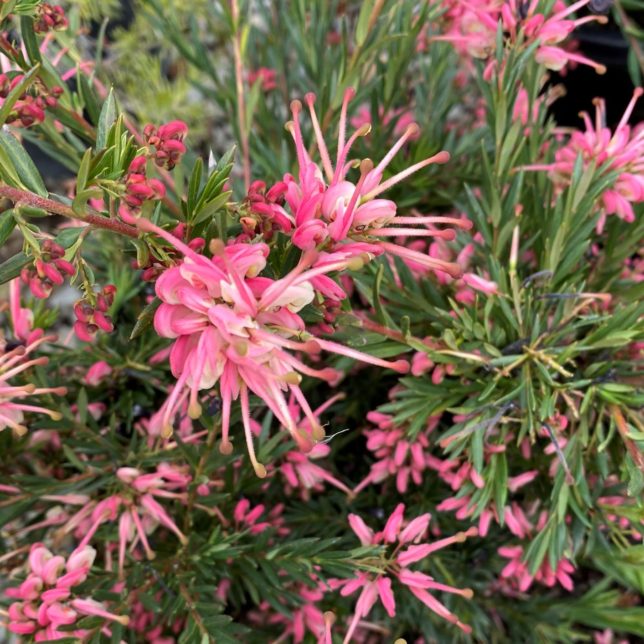
Grevillea is a large family of plants that range from low growing ‘Coastal Gem’ to shrub like ‘Robyn Gordon’ reaching 5-6′ tall that can reach a spread of up to 10′ wide. They have masses of tubular pink, red, cream and yellow flowers that the hummingbirds love. They are great on banks or hillsides. The shadier places in the garden will benefit from the Australian Fuchsias (Correas) with their hanging bells in shades of cream to red.

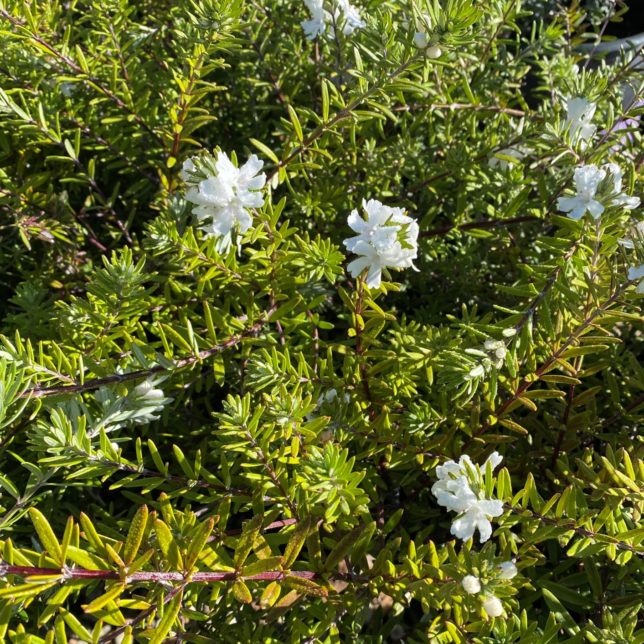
Westringia fruticosa aka White Flowering Coast Rosemary is a spreading evergreen shrub from Australia. Grows to 1-2′ feet and 4-6′ feet wide. Green to gray-green leaves have white undersides. Small whiteish, lavender flowers bloom from midwinter through spring in colder areas, and all year in milder climates. Needs light, well-drained soil.  

Explore the possibilities!

Westringia fruticosa otherwise known as Flowering Coast Rosemary is a shrub with silvery leaves and beautiful flowers.

Correas or Australian Fuchsias are a wonderful collection of plants with flowers ranging from cream through pink and coral; they thrive in morning sun to light shade. They can tolerate full sun with deep soaking and mulching.

‘Robyn Gordon’ Grevillea is a 5-6′ shrub with a 10′ spread sporting spectacular blooms fall through spring. It’s naturally drought tolerant.

Grevillea rosmarinifolia (dwarf form – out of stock but we are searching for) is a compact shrub that grows about 2′ tall x 3′ wide. Likes sun to part shade and good drainage.