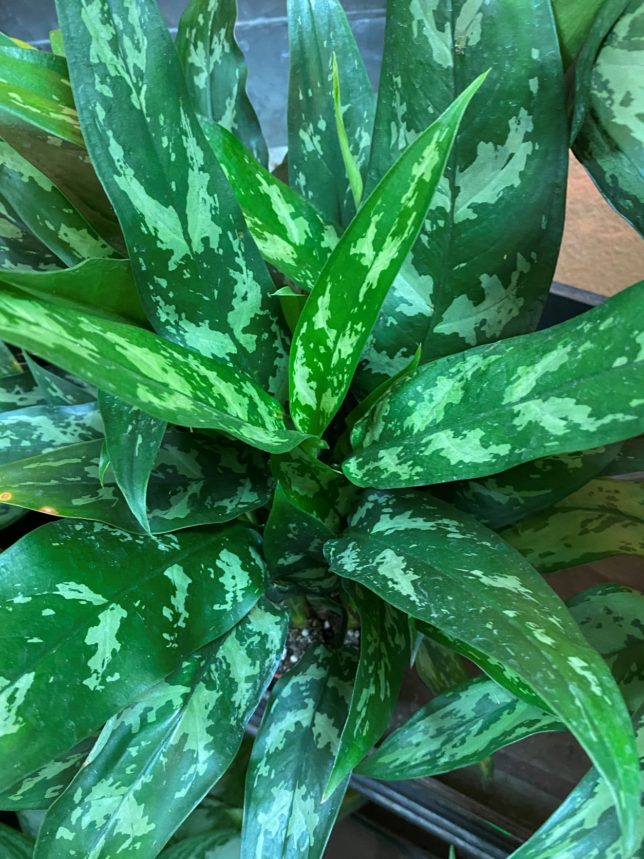
Protect your Japanese Maples

maple-coral

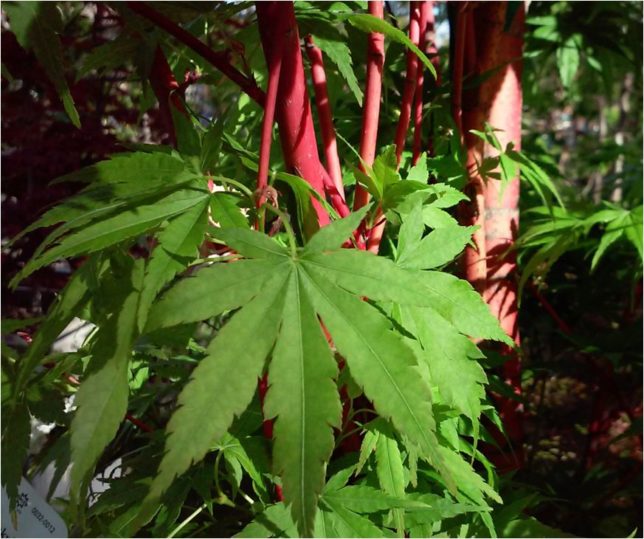
Japanese Maples are a favorite landscape specimen for home gardens and will look their best through summer with some protective measures. The climate of Japan is more like Portland Oregon than our much sunnier and warmer Valley. As a result, your maples may suffer from heat stress until they get acclimated to our Valley conditions. Fortunately, there are quick, simple, and inexpensive ways to protect your Japanese Maples while they acclimate.
Most Japanese maples in our climate do best if located in a spot that receives afternoon shade and wind protection. The morning sun side of a house is usually ideal.

Feed Japanese Maples with Superthrive Protect to improve heat tolerance.

Also, place a layer of mulch under your tree to insulate the soil – just be sure to keep the mulch 3” to 4″ away from the trunk to prevent crown rot.
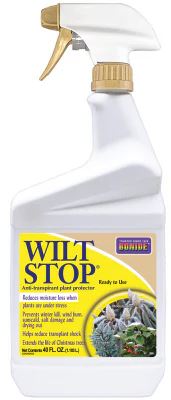
And you can simulate Oregon’s more northern summer sky and cloudy conditions with a simple spray product called Bonide Wilt Stop. Wilt Stop is an antitranspirant plant protector that is completely transparent and will not cloud or cover up the colorful beauty of your Japanese Maples. It merely reduces evaporation through the leaf tissues.

Wilt Stop protects your trees from our hot, dry, and sometimes windy summers like an invisible umbrella. The time to apply it is now before your beautiful Japanese Maples show the crispy leaf edges and other signs of heat stress. Alden Lane recommends you apply Wilt Stop during the early summer before wind and heat affect your maples.
4″ Vegetables as of 3-21-24

Here is a list of the vegetables that have come in on this week’s orders. There is no guarantee about specific availability when you visit. We have lots of fun varieties to try this year!

Eggplant

Black Egg

Cloud Nine

Fairy Tale

Ichiban

Millionaire

Nadia

Pintung Long

Rosa Bianca

Shikou

Garlic

Early Italian Purple

Spanish Roja

Pepper

Anaheim

Better Belle IV

Calabrian

Cascabella

Chicago Hot Dog

Chile de Arbol

Chipotle

Fresh Bites Orange

Fresno

Golden Cal Wonder

Habanero

Habanero Orange

Hatch Green Chile

Italian Roaster

Jalapeño

Jalapeño Purple

Jalapeño Sweet Popper

Jimmy Nardello

Manzano Orange

Marchant Italian Pickling

Mini Chocolate Bell

Mini Red Bell

Mini Yellow Bell

Orange Sun

Pablano/Ancho

Padron

Red Knight

Santa Fe Grande

Scorpion

Serrano

Shishito

Sriracha Hybrid

The Big Early

Yum Yum Mix

Pumpkin

Dill’s Atlantic Giant

Jack O’Lantern

Squash

Anton

Bush Baby

Gold Rush

Sunburst

Zucchini

Strawberry

Chandler

Fort Laramie

White Soul

Tomatillo

Cisneros

De Milpa

Purple

Verde Puebla

Beefmaster

Berkeley Tye Dye

Black Cherry

Black Zebra
Brad’s Atomic Grape

Brandywine Red

Brandywine Yellow

Carbon

Cherokee Purple

Chocolate Sprinkles
Copia Striped

Costoluto Genovese
Dr. Wyche’s Yellow

Early Girl

Grape

Green Zebra

Helix

Hybrid Cherokee Caron

Hybrid Genuwine

Hybrid Jersey Boy

Hybrid Marzinera

Hybrid Perfect Flame

Invincible

Jetsetter

Mortgage LifterPatio

Pear Red

Pear Yellow

Premio

Purple Zebra

San Francisco Fog

San Marzano Redorta

Snow White

Stellar

Stupice
Sugar Rush

Sun Gold

Super Fantastic

Sweet Baby Girl

Tazmanian Chocolate

Vintage Wine

Drift Roses

pch-drift-starColorful & Classy Groundcover
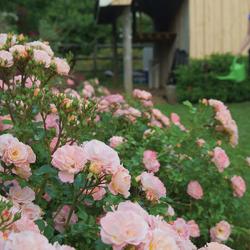
Drift Roses are prolific bloomers, disease resistant, low maintenance, drought tolerant, and best of all, attractive garden and landscape focal points in themselves. In addition to being an excellent choice for general “ground covers”, their size and versatility make them an ideal addition to smaller gardens, combination planters and even container gardens and hanging baskets where their attractive good looks provide dimensions of color and foliage probably unavailable through any other means.

Since the Drifts were specially created to be ground cover roses, they have a low growing characteristic 1½’ tall and 2′ wide. And beautiful colors including white, pink, peach, coral, red & soft yellow. We are currently well stocked with plants that are continuous bloomers from spring to early frost; they are naturally dwarf, with very dark glossy attractive foliage.

As ground covers, Drift roses kept the best of their parent pedigrees — they are a cross between full-size groundcover roses and miniatures. From the former they kept the toughness, vigor, disease resistance and winter hardiness. From the miniatures, they inherited their well-managed size and repeat-blooming nature. To top it off, Drift Roses are easy to establish and are low maintenance landscape plants.

With all these benefits and good looks too, it is no mystery that Drift Roses are becoming one of our Valley’s most popular flowering plant options. If you have been looking for a way to add a fresh new look to your to garden and landscape check out Drift Roses.

4-11-23 Veggie Report

Please note that availability is subject to change and this list does not represent stock on hand – we sell out very quickly so if you see something you want, hurry in!

Basil

Blue Spice

Genovese Pesto

Italian Large Leaf

Italian Sweet

Cucumbers

Diva

English

Homemade Pickles

Natsu Suzumi

Palace King

Patio Snacker

Sultan Persian

Sweet Success

True Lemon

Eggplants

Ichiban

Millionaire

Nadia

Rosa Bianca

Peppers

Anaheim

Candy Cane Chocolate Cherry

Carolina Reaper

Cascabella

Chile De Arbol

Chipotle

Devil’s Tongue

Fresh Bites orange

Fresno

Ghost

Golden Cal Wonder

Habanero

Italian Roaster

Jalepeno

Jalepeno Purple

Jalepeno Sweet Poppers

Jimmy Nardello

Mini Chocolate Bell

Mini Red Bell

Mini Yellow Bell

Orange Sun

Padron

Poblano

Roumanian Rainbow

Serrano

Shishito

Sriracha Hybrid

Thai Hot

The Big Early

Trinidad Scorpion

Yum Yum Mix

Pumpkin

Dill’s Atlantic Giant

Jack Be Little

Jack O’ Lantern

Squash

Anton

Bush Baby

Crookneck

Tomatillo

Cisneros

De Milpa

Purple

Verde Puebla

Tomato

Amy’s Sugar Gem

Berkely Tie Dyed

Black From Tula

Black Zebra

Brad’s Atomic Grape

Brandywine Sudduth’s Pink

Brandywine Yellow

Braveheart

Bronze Torch

Buffalosun

Carbon

Celebrity

Cherry

Chocolate Sprinkles

Copia Striped

Costuluto Genovese

Early Girl

Grape

Helix

Hybrid Cherokee Carbon

Hybrid Genuwine

Hybrid Jersey Boy

Hybrid Marzinera

Invincible

Jetsetter

Kellog’s Breakfast

Neves Azorean Red

New Girl

Patio

Pear Red

Pear Yellow

Purple Zebra

Red Velvet

Roma

San Francisco Fog

San Marzano Redorta

Stellar

Stupice

Sugar rush

Sun Gold

Sun Sugar

Super Fantastic

Super Sweet 100

Sweet Baby Girl

Thai Pink Egg

Vintage Wine

Succulents – Beautiful & Water Wise

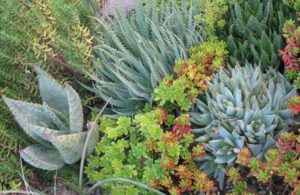
What is not to like about succulents? Succulents are the rave right now, and that’s not hard to understand when you see all the advantages they offer.
Low Irrigation
Generally, little irrigation is needed. Succulents can withstand drought better than wet soil. These plants thrive where others wilt from lack of water. Include these plants as an important part of water conservation while landscaping and gardening.

Low Maintenance
These plants are about as close to “plant it and forget it” as you can get. Many are native to harsh environments with little or infrequent watering.

High Versatility
These plants are equally happy to be in your garden, landscaping, containers, and inside your home as houseplants. As long as you keep in mind, they do have some special needs. Most require at least 6 hours of sunlight and fast-draining soil, so location is important, and some will need protection during the colder months.

Good Looks
Fortunately, you don’t have to sacrifice appearance for all these benefits. Cacti and succulents are some of Nature’s most beautiful and exotic plants. Outdoors, your succulents will liven up your garden and give your home an original look. Few plants attract as much attention as these. You can use them as exciting accents or go all out and create a complete desert garden motif. Inside, dish gardens with succulents can provide an attractive tabletop decoration that is sure to be a conversation starter.

Off-Season Blooming
When most other plants are in their dormant cycle, and the rest of your landscaping has the winter color blahs, many of these plants are at their colorful best. The aloes are in their glory from December to January; the puyas, yuccas, and agave flower from April to June. A well-chosen selection and placement of succulents will give your landscaping a year-round color look your neighbors will envy.

Here at Alden Lane, we have a large selection available for you to combine, or we can suggest combinations for you. With their wide variety of architectural forms, succulents are a great garden addition. We just received some beautiful planters.

These plants are among the most versatile of this year’s garden offerings. They can express your artful side or your whimsy, whatever you choose. Also, you might combine succulents with other low water use plants to make a lush garden display. Come in and explore the collection.

February Vegetable Garden Guide

Vegetable Plant Time Amount, family
of 4
Special Notes Plant Now
Artichoke Year ’round 3 – 4 plants Permanent, perennial. Bare root
Beets February – April then again in August 10 – 15 ft. row Suitable for a small garden if compact varieties are grown. Can be planted more than once/year for a continuous harvest. From Seeds
Brussels Sprouts August – February 15 – 20 ft. row N/A From Starts
Cabbage August – February 10 – 15 plants Suitable for a small garden if compact varieties are grown. From Starts
Cabbage, Chinese August – February 10 – 15 ft. row Suitable for a small garden if compact varieties are grown. From Starts
Carrots Year ’round 20 – 30 ft. row Suitable for a small garden if compact varieties are grown. Can be planted more than once/year for a continuous harvest. From Seed
Celery August – February 20 – 30 ft. row Suitable for a small garden if compact varieties are grown. From Starts
Chard August – February 3 – 4 plants Suitable for a small garden if compact varieties are grown. From Starts or Seed
Chives Year ’round 1 clump Suitable for a small garden if compact varieties are grown. From Starts
Leeks August – February 10 ft. row N/A From Seed
Lettuce August – February 10 – 15 ft. row Suitable for a small garden if compact varieties are grown. Can be planted more than once/year for a continuous harvest. From Starts
Mustard August – April 10 ft. row N/A From Starts
Onions (bulb) November – March 30 – 40 ft. row Suitable for a small garden if compact varieties are grown. From Bulbs
Onions (green) August – February —- Suitable for a small garden if compact varieties are grown. Can be planted more than once/year for a continuous harvest. From Starts
Parsley Year ’round 1 – 2 plants Suitable for a small garden if compact varieties are grown. From Starts
Potatoes February – March 50 – 100 ft. row N/A From Bulbs
Radishes Year ’round 4 ft. row Suitable for a small garden if compact varieties are grown. Can be planted more than once/year for a continuous harvest. From Seed
Rhubarb December – February 2 – 3 plants Bare root in November – January, Canned in February – April and again in September and October. Bare root
Strawberries June – September 12+ plants 6-Packs on-hand now. 6-Packs Soon
Turnips February – August 10 – 15 ft. row Suitable for a small garden if compact varieties are grown. From Seeds

Colorful Shrubs

We typically reach for flowers when thinking about adding a dash of color to our gardens. But for true season-long interest in the garden, consider a shrub that will give you lasting color. When you plan your garden using colorful shrubs, their leaves lend a rainbow of hues to enjoy. The different shades and textures offer a burst of color – some even change colors throughout the year.

Take a look at these colorful shrubs which are real standouts in the landscape:

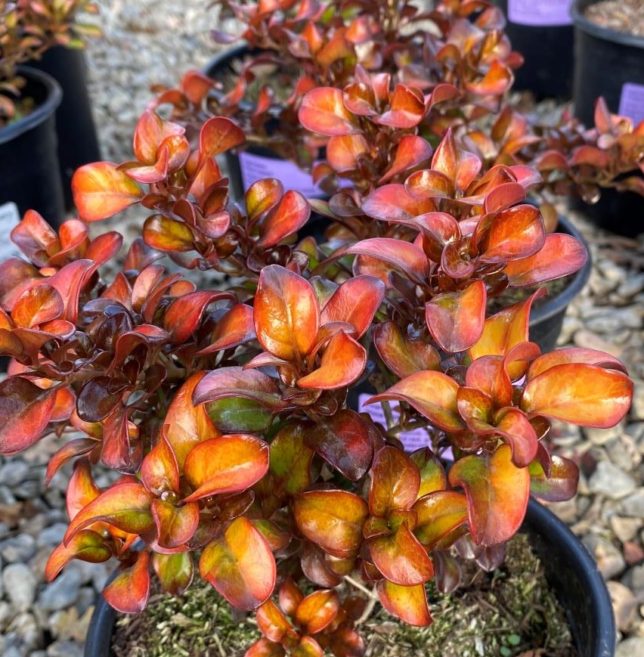
Coprosma repens (Mirror Plant) – The glossy leaves change color as colder weather approaches. Small, inconspicuous blooms in the spring. This hardy evergreen shrub needs protection if the temperatures dip below 25°. (Variety ‘Pina Colada’ is pictured)

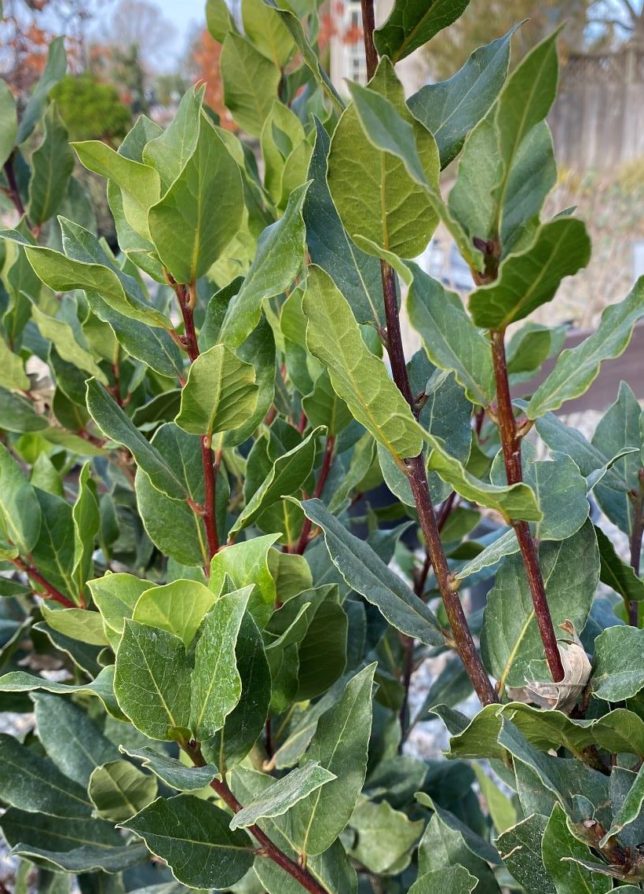
Laurus noblis (Sweet Bay) – An aromatic evergreen available in shrub or tree form. This Mediterranean native is where the “bay leaf” used in cooking for seasoning comes. This can grow into a fairly large plant.

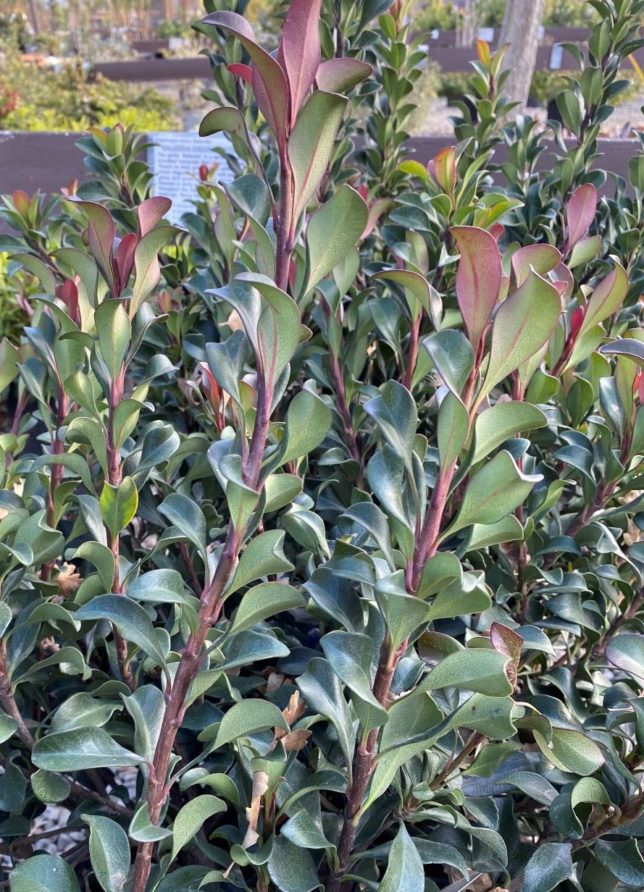
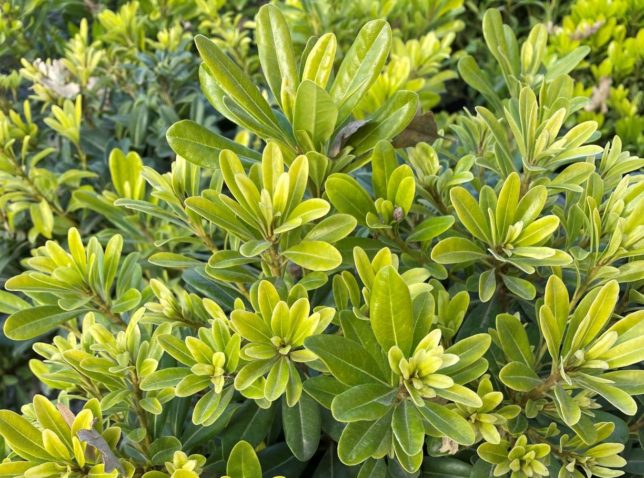
Pittosporum tobira – A popular dwarf shrub that is evergreen and mounding. Good to use as a low boundary or for poolside plantings. (‘Wheeler’s Dwarf’ is a popular variety)

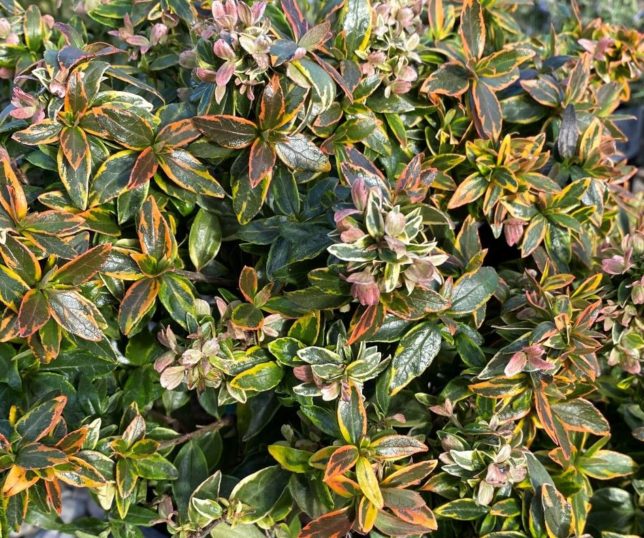
Abelia grandiflora – The Abelia has attractive foliage and gracefully arching branches. The eye-catching leaves (and sometimes the stems!) come in different colors and often change throughout the growing season. When in bloom, the flowers are popular with pollinators. (Variety ‘Kaleidoscope’ is pictured)

Rhaphiolepis indica (Indian Hawthorne) – A spreading, compact broadleaf evergreen that bears deep pink flower in shiny foliage that changes color with the seasons. Berry-like, dark blue fruit follows flowers.

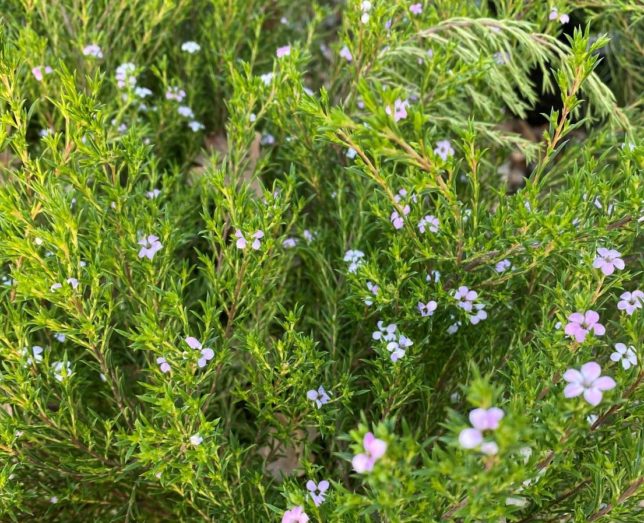
Coleonema pulchrum (Compact Breath of Heaven) – This popular shrub is evergreen, hardy and mounding to about 3′ tall. Small, showy blooms in spring often repeat in fall. If you are looking for a larger shrub (think 6-10′), the non compact Coleonema is an option.

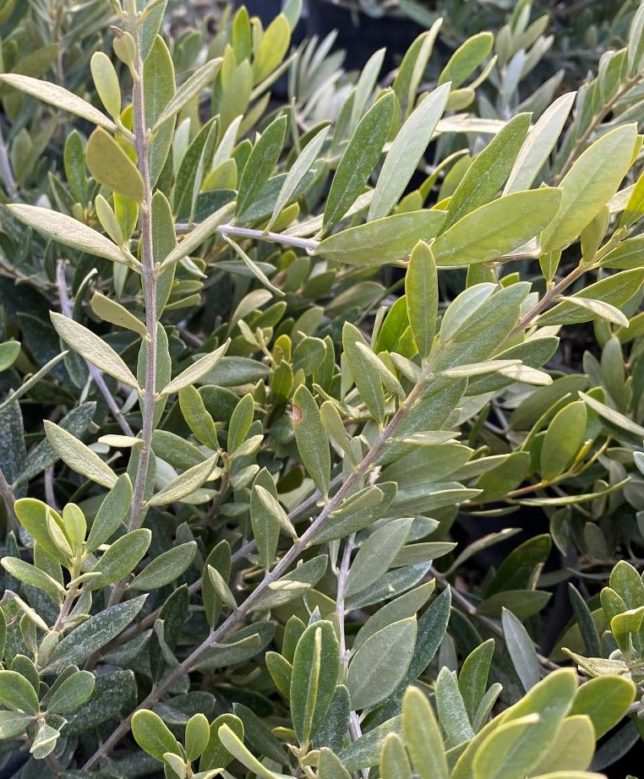
Olea europaea (Little Ollie) – All the beauty of the attractive grayish green leaves without the mess of a fruiting olive. This one can grow large at 5-15′ tall, but can be controlled with pruning. The dense growth is great as a hedge, low screen, accent or small tree.

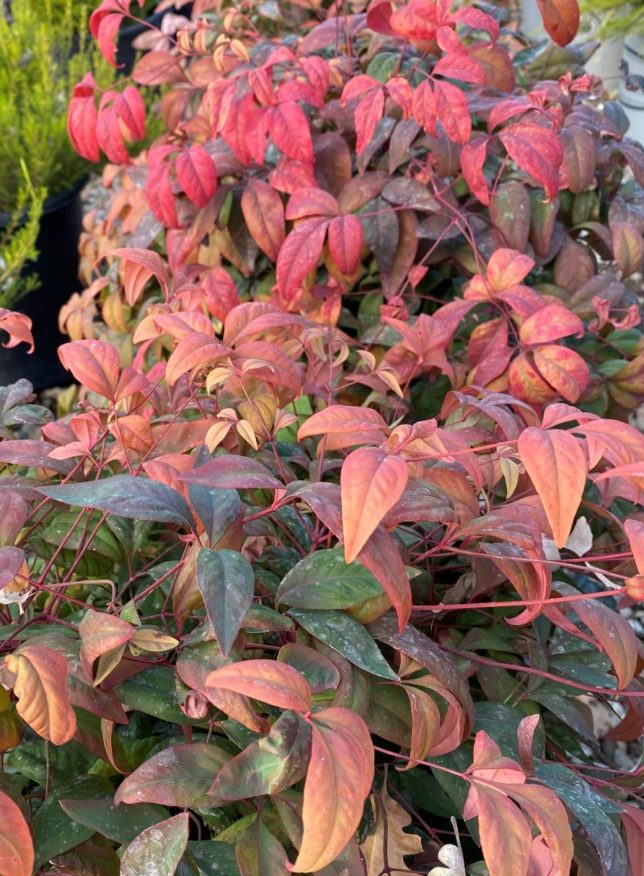
Nandina domestica (Heavenly Bamboo) – In every season this versatile plant is a garden standout. Serves as an excellent accent or container plant. Choose neat mounding or softer upright forms. Make sure the soil is well draining. (‘Firepower’ is a vibrant red variety)

Tulip Time Cruise April 2022

Join Jacquie and her husband Tom……

We were enticed to come along by our Cal Poly professor Bob Gordon who did the flowers for our wedding. Bob is a gifted educator and has become a great friend over the years.  Bob is passionate about flowers and music so what could be better than to be inspired by this magical floral cruise while supporting the San Luis Obispo Symphony.  We will cruise in Holland with stops the Kuekenhof garden to see acres of beautiful blooming bulbs woven into an extraordinary landscape, the once every 10 year Floriade horticultural extravaganza and the Aalsmeer flower auction.

This has always been on my bucket list and I’m so excited to make it happen!

Join the San Luis Obispo Symphony for this springtime river cruise in Holland and Belgium aboard Avalon Waterways. Garden enthusiasts will not want to miss this incredible cruise hosted by Mr. Robert “Bob” Gordon who has arranged a special excursion to see the 2022 Floriade, a once-in-every 10 years International Horticulture Exhibit as well as a visit to see the breathtaking colors of Keukenhof, also known as the “Garden of Europe” and a visit to the World’s Largest Flower Auction in Aalsmeer, Netherlands

Low-Light Houseplants

What does this really mean?

The first thing to know is that low-light does not mean NO light. Living plants not are going to grow and thrive in darkness. They need light in order to live, but some plants are better at living with low-light conditions.

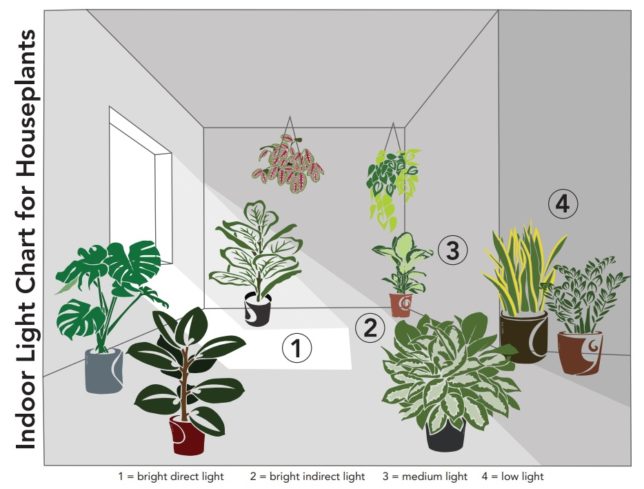
Let’s take a look at where you might find low-light in a room:

Your plants will likely tell you when they need more light. One of the first signs is that they could become long and leggy. Like their sun loving friend the sunflower, they may begin to lean towards the light if there is a window or other available light source (In Italian, the name for sunflowers is ‘girasole’ which literally means turn towards the sun). They may also start to lose their color and/or appear dull.

As we see from the graphic above, most rooms the house get some natural light. It is just a matter of finding those spots and putting the right plant in that space.

It is important to note that plants with lighter foliage colors need more light, so that is a consideration when selecting the right variety for your space. Many of the plant families below are available in a wide range of colors. From deep, dark green to lighter, brighter shades of green and intriguing variegated options. If you are selecting a plant for a truly low-light space, seek the deeper greens and leave the popular variegated options for a lighter spot.

What we want to focus on are those houseplants that can thrive in low-light areas of the average home. They might even begin to suffer if they get too much light (especially direct sunlight!)

Let’s take a look at some top picks for houseplants that will enjoy the lower light areas of your home:

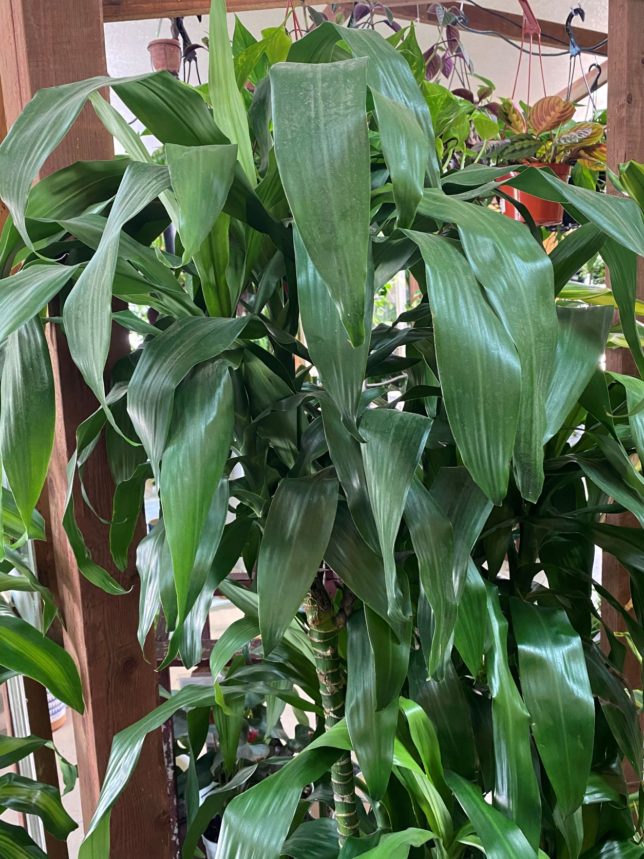
1. DRACAENA

Not only are dracaenas good indoor plants for low-light conditions, they are also beautiful with a spectacular range of color. They make a great statement plant as they can be one of the larger houseplants we carry.

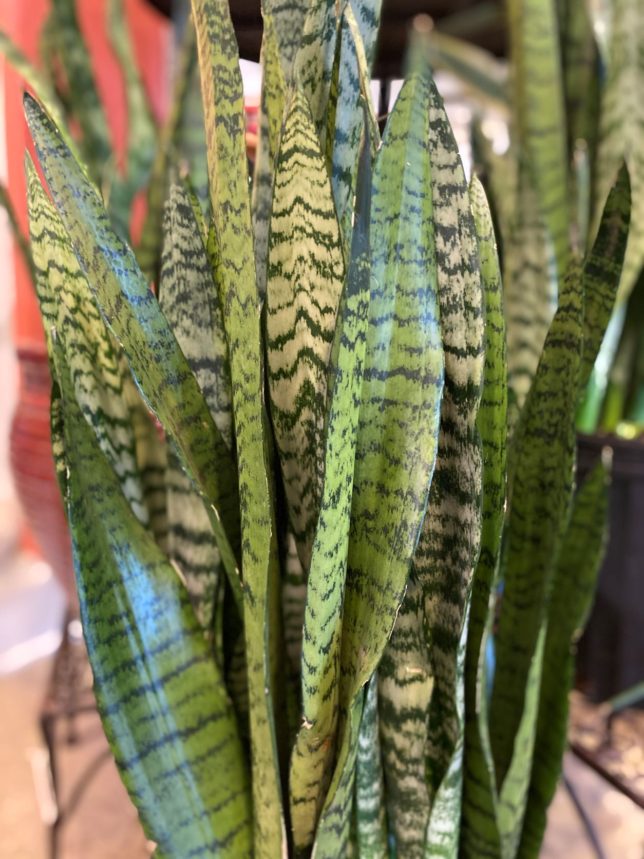
2. SANSEVIERIA

The Sansevieria known by many nicknames (snake plant or mother-in-laws tongue are the most common) remains a favorite at Alden Lane for its low-maintenance personality. Their architectural vertical shape is fun too. You could say that they thrive on a bit of neglect. Only water it when the soil is dry, keep it out of direct sunlight and you can enjoy sansevieria for years to come!


3. ZZ PLANT

Another great plant selection for low-light and low-maintenance houseplants are ZZ plants. Care for your ZZ plant just like you would treat succulents (they are even happy to live in the same pot as a succulent). Keep it out of direct sunlight.

4. CHINESE EVERGREEN (AGLAONEMA)

Another option for a beautiful, low-light and low-maintenance houseplant is the Chinese evergreen. These come in a variety of shades, so you need to veer towards the darkest tones for low-light spaces. After considering light, keep your plant warm and evenly moist. These guys are slow growing so if you are looking for a plant that will not outgrow its pot anytime soon, these are a good option.

5. POTHOS

If you are looking for a low-light houseplant with a trailing habit, consider a Pothos. Perfect for a hanging basket or draped over the side of a bookshelf. Pothos are also particularly resistant to pests. They are also easy to propagate from cuttings if you are looking to share with friends.


6. ASPIDISTRA

Also known as the cast iron plant for its near indestructability. This low-light and low-water is also slow growing so it won’t outgrow the spot you pick for it anytime soon.