
Houseplants, just like people, need to adjust to winter conditions. Without making some seasonal changes, our houseplants may begin to look unhealthy. Visible symptoms include sudden leaf loss, leaf tips turning brown, and a generally droopy or wilted appearance.
Reduce Watering
Houseplants experience a slower rate of growth during the cold weather, and some even go completely dormant. Because of this, they need a little less water during the winter months. Allow your plants soil to dry out more than usual during this time. The top surface soil might appear dry, but you should poke your finger into the soil and check to see if it is dry an inch or two below the surface.
Increase Humidity
The humidity level in heated homes can drop 10-20% in winter, and houseplants prefer a level closer to 50%. If you have a humidifier, move your plants to a spot nearby. If you don’t have a humidifier, there are other ways to increase the humidity around your houseplants. The bathroom is often a great spot for plants since they can absorb the humidity from warm showers. You can also place your plant on a tray of pebbles and water (making sure the water is below the rock surface so the plants do not end up sitting in water). The evaporating water from the tray will be absorbed by the plant on top!
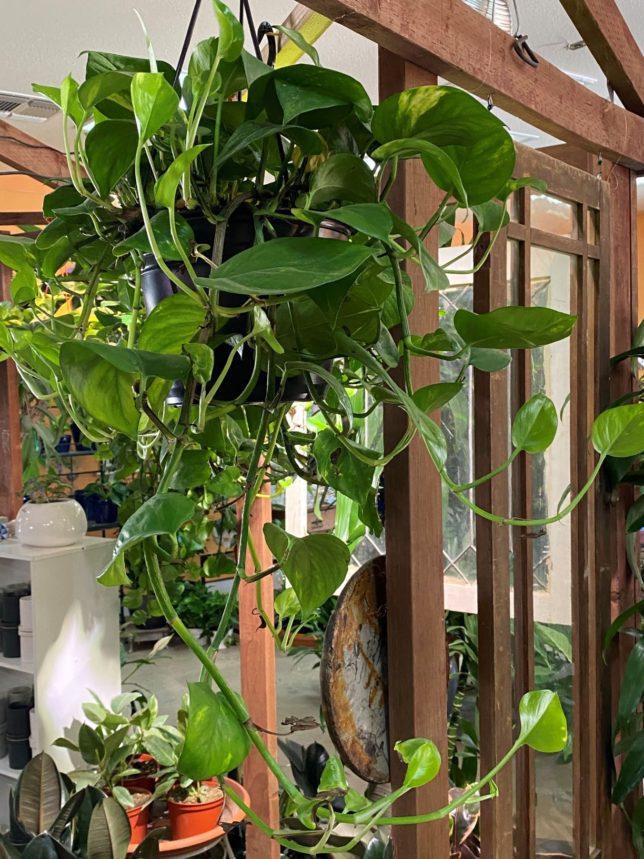
Watch the Temperature
Windows can get chilly in the winter time, so it’s best to move your plants away from them. Additionally, you should make sure to move your plants away from doors that might bring in a cold draft. Be careful not to put your plants near a hot vent or other sources of heat. Fluctuations in temperature can kill houseplants just as easily as prolonged periods of heat or cold.
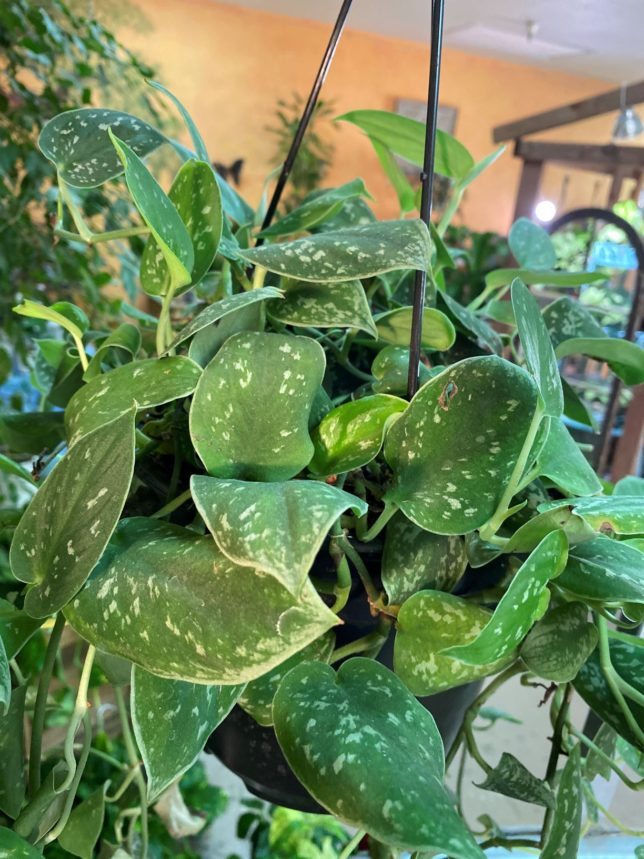
Increase Light
There are fewer daylight hours during the winter months. You may need to relocate your houseplants to a brighter spot or even add supplemental grow lights. A good spot would be a south or west facing window that remains sunny all day. Additionally, you’ll want to hold off on fertilizing during these months. Feeding your plants will upset their natural cycle, so wait until spring before fertilizing again.
 As the temperatures drop and the desire to garden remains high, cold hardy herbs can fill a need to grow something edible. Herb gardening can be enjoyed in a kitchen window, a container on the deck or out in the garden bed, and they are perfect for Thanksgiving Stuffing, winter stews, salads and more.
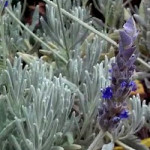
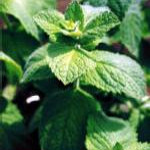
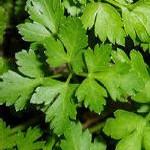
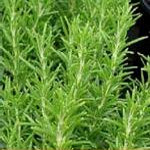

 Alstroemeria can fill a good-sized spot in your sun garden if you let them. These long-lived perennials are a reliable bloomer from spring through summer. They are available in a wide range of colors, therefore, complementing many of your other plantings. For best results give them some shade in mid afternoon. They can flourish in dappled shade as well. They have strong stems for great cut flowers, love wet or dry conditions, and they come in pink, yellow, purple and many more colors.


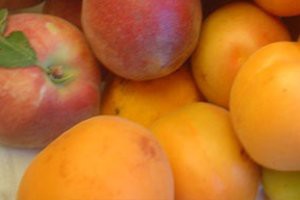 Pluots are amazing hybrid fruits that are part plum and part apricot in heritage. These fruits were initially developed in the late 20th century by Floyd Zaiger in neighboring San Joaquin Valley and are now happily grown commercially and in backyard orchards in parts of Washington and California.
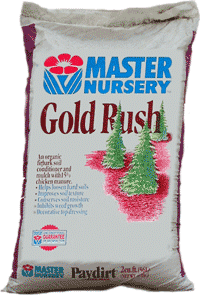 We recommend Gold Rush planting amendment when planting fruit trees. Gold Rush is a blend of Fir Bark Compost and 15% Chicken Manure.


