Your Edible Landscape – By Nancy McNeish

This year Alden Lane features a monthly look at growing edible plants in your home landscape, beginning with fruit trees.

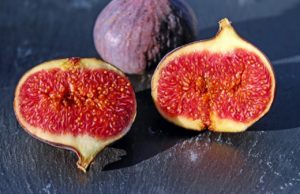
My neighbor’s tree has large, dark green, leathery leaves which are deeply lobed. It is a smallish tree, more like a dense, full bush, and graces the walkway up to the front door. Best of all are the rich black fruits with a sweet strawberry-colored interior which ripen twice a year and are eagerly collected by another neighbor. It is a ‘Black Mission’ fig, a tree cultivated in California since the Spanish settled here.

Mission Fig is but one of many varieties of attractive, productive, edible plants suitable for growing in your front yard. Following my neighbor’s lead, I now have a ‘Violette de Bordeaux’ fig growing in my front yard. It produced its first fruits the autumn after I planted it.

I also have a glossy-leaved navel orange, a multi-graft pluot, and a dwarf peach/nectarine growing among my other front yard landscape plants. And why not? My south and west exposures are ideal, and the fruit trees are just as attractive as more traditional landscape plants. Sweet homegrown fruits are the reward.

Mid to late January is the ideal time to select and plant your favorite fruit tree from our abundant selection. Roots establish more quickly in winter moist soils, and new green shoots will quickly follow. Alden Lane’s “Fruit Picks” for ­delicious and beautiful deciduous (leafless in winter) fruit trees:

Apple – Columnar ‘Northpole’ and ‘Scarlet Sentinel’ are strikingly handsome accents for small spaces.
Cherry – Frothy late white flowers yield early fruits. Try all around champ ‘Lapins’.
Peach – Cute as a bug dwarf ‘Garden Sun’ or ‘Pix Zee’ forms lush, tropical looking bushes.
Pear – Choose disease resistant ‘Harrow Delight’ or ‘Warren’ for clouds of white spring blossoms and heavenly flavor
Persimmon – Easy to grow with showy fruits which light up the autumn landscape. Enjoy the large fruits of ‘Giant Fuyu’
Plum – Gorgeous ‘Weeping Santa Rosa’ combines flowing fountain form and classic, rich, dark fruits
Pluot – Kick the sweet up a notch with ‘Flavor King’, a naturally smaller tree or ‘Splash’, with very sweet orange-colored fruit
See our Backyard Orchard Page

Art Under the Oaks 2016 Recap

For information about Art Under the Oaks in 2017, click here.

Enjoy a collection of photos below which capture some of the beauty of the 2016 Art Under the Oaks.

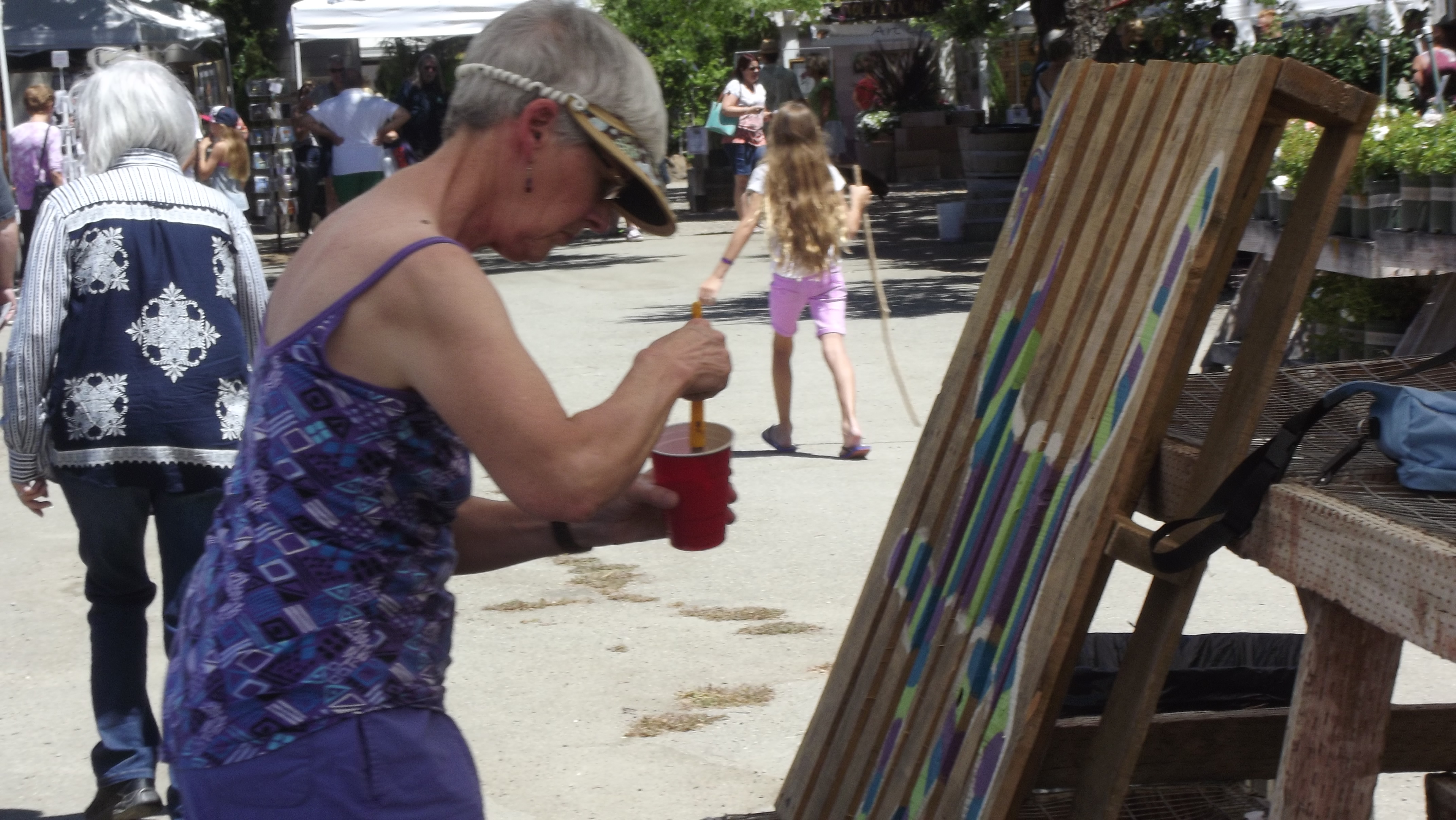
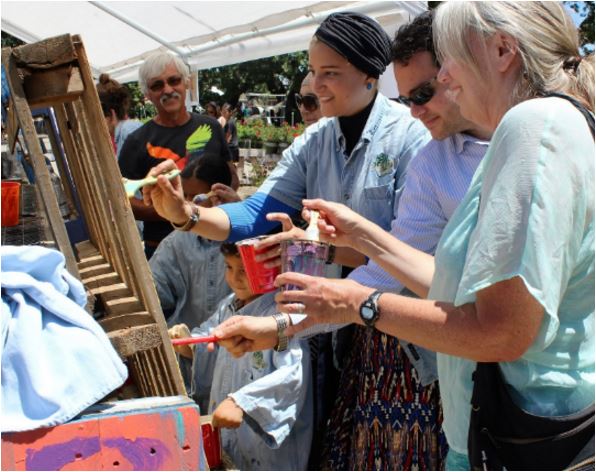
Everyone enjoyed an opportunity to place brush to canvas. Photo: Sandra Harrison Kay
Colorful contentment
Colorful contentment. Photo: Sandra Harrison Kay
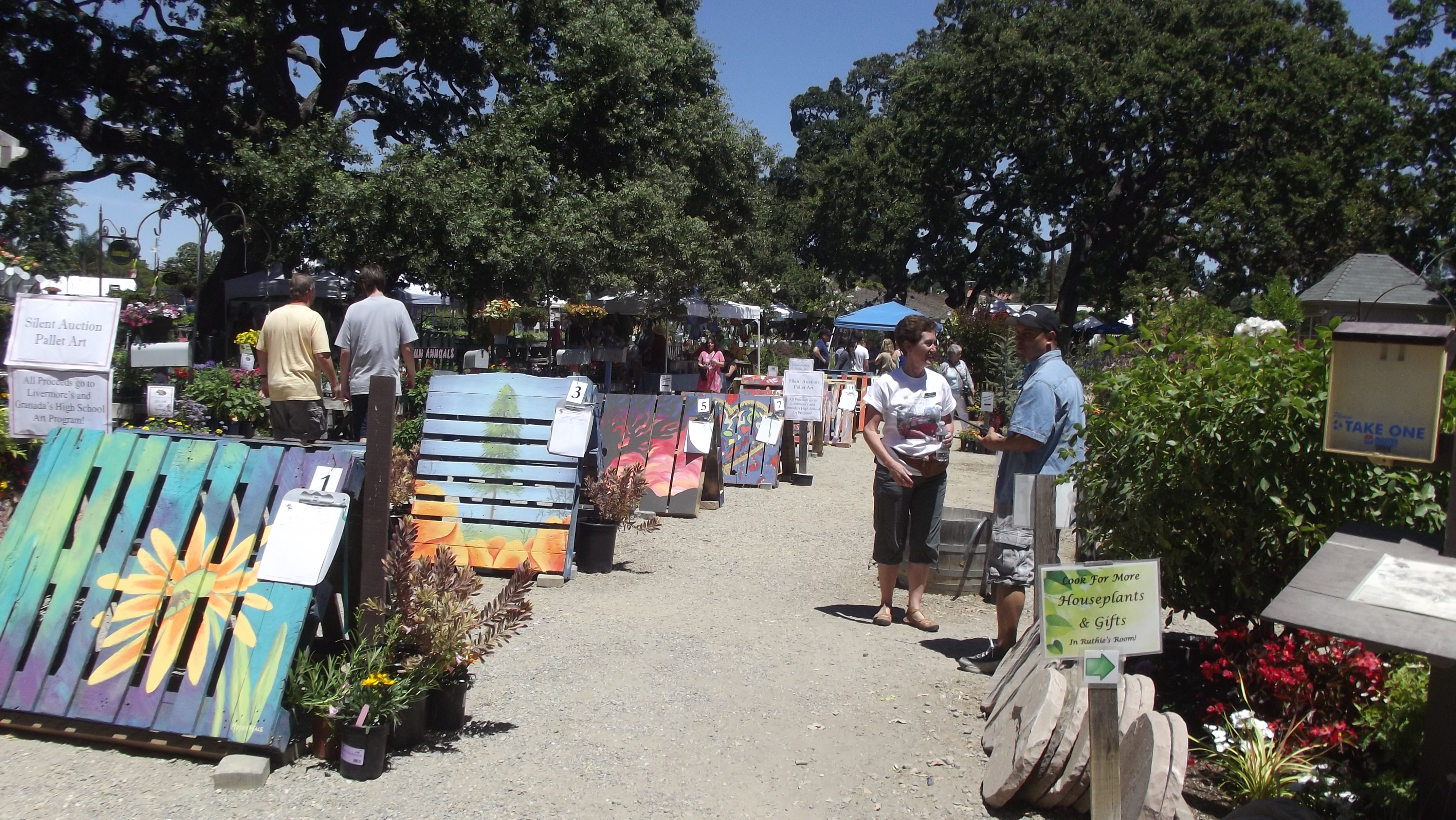
Pallets were sold through silent auctions with proceeds going to Livermore and Granada High School art programs
Painted pallets were sold through silent auctions with proceeds going to Livermore and Granada High School art programs
The Cool Tones were indeed quite cool.
The Cool Tones provided classic big brass sounds

r

woman painting a pallet
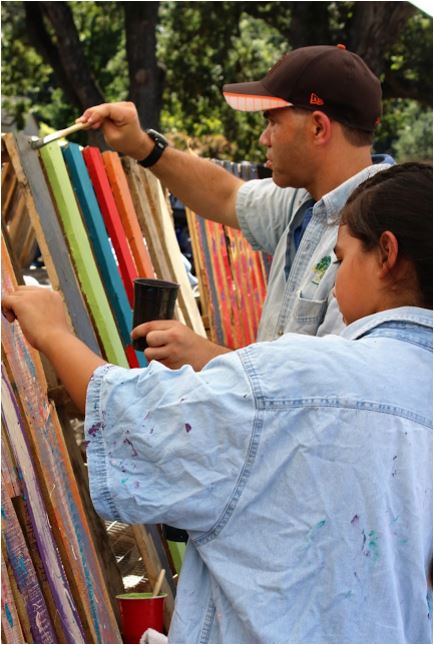
This year we introduced a pallet painting project with completed pallets sold through silent auction and all proceeds going to local high school art programs
Several groups and bands filled the days with good vibes
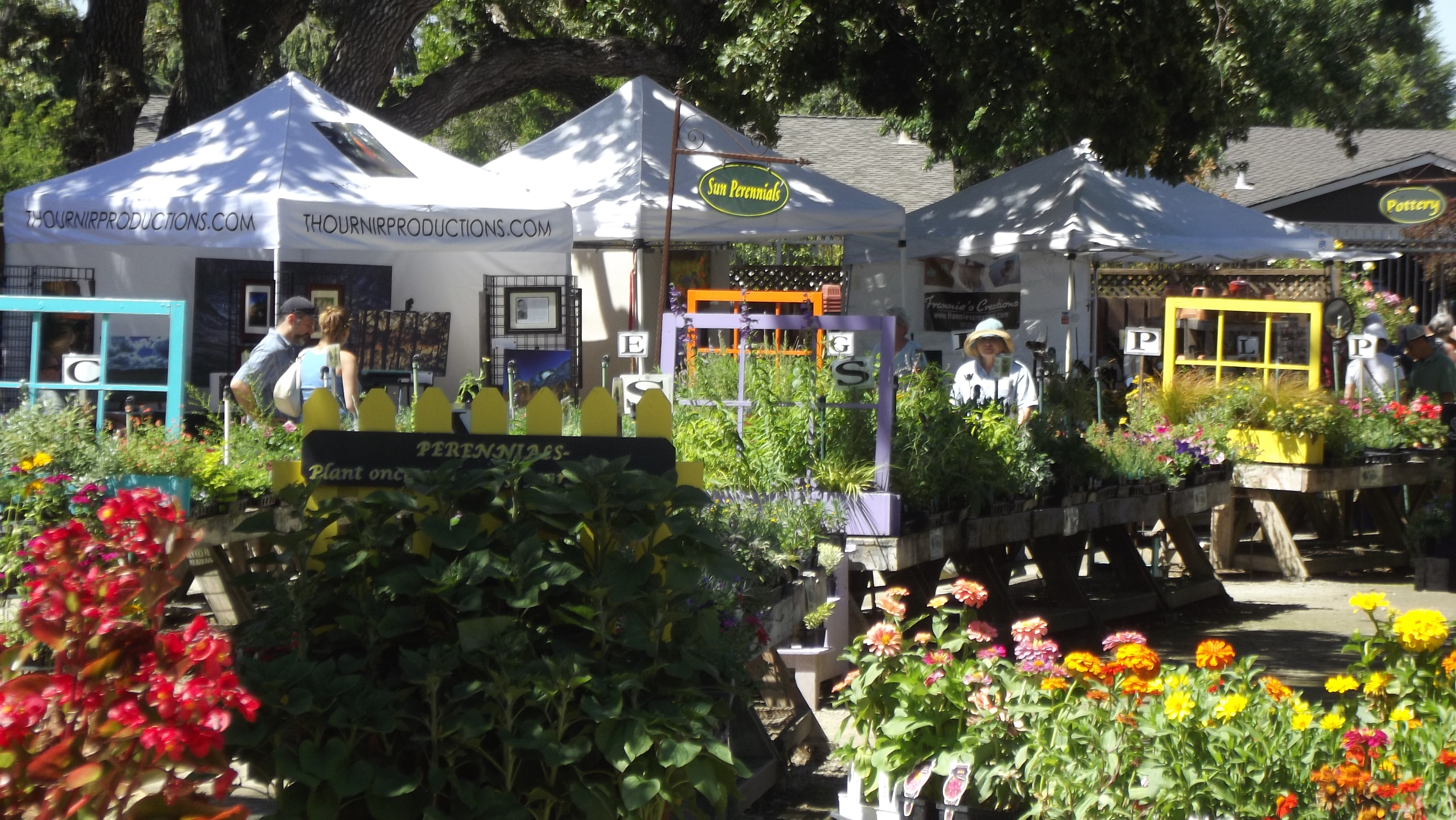
over 35 artists filled the grounds at Alden Lane this year
Over 35 artists filled the grounds at Alden Lane this year


Jacquie for Zone 7 Board

"Williams for Water" sign from 1980
This “Williams for Water” campaign sign still hangs in the barn next door from 1980 when Jacquie last served on the water board.

Vote “Williams for Water” on June 7th
if you live in Livermore, Pleasanton, Dublin, or Sunol.

Our own Jacquie Williams-Courtright will run for a seat on the Zone 7 Water Board. She served from 1980-1984 and was moved to run again to advocate for valley gardeners. See her Candidates Statement.

Zone 7 Candidates Statement 2016
Jacqueline (Jacquie) Williams-Courtright

As a Livermore native and 2nd generation garden center owner, water has always played a key role. My family came to Livermore in 1919. We grew walnuts commercially and founded Alden Lane Nursery in 1955. After graduating from Cal Poly, San Luis Obispo with a Bachelor degree in Agriculture and major in Horticulture, I joined my parents in operating both the orchard and garden center.

I would like to be the community’s gardening advocate. Gardening and water conservation are not mutually exclusive. Together we can meet the needs of preserving our water resource while enabling homeowners to protect their landscape assets, grow their own food, garden and establish water wise plants.

Water availability, storage and quality along with sustainable use are key ingredients to our collective success. It would be an honor to represent you as a member of the Board.

March Palette – Pollinator Plants

Do you have room for a few pollinator plants? Join us as we increase habitat for pollinators by adding plants to our garden that attract and nurture hummingbirds, butterflies, and beneficial insects and other pollinators.

Get your pollinator pride on by joining the nationwide “Million Pollinator Garden Challenge” sponsored by the National Pollinator Garden network. The network is rallying us all, from window box gardeners to those with yards and larger properties, to help ensure the health of our local flora and fauna. It’s as easy as visiting their website www.millionpollinatorgardens.org or visiting Twitter #PolliNation and registering your garden.


March Pollinator Plant Palette

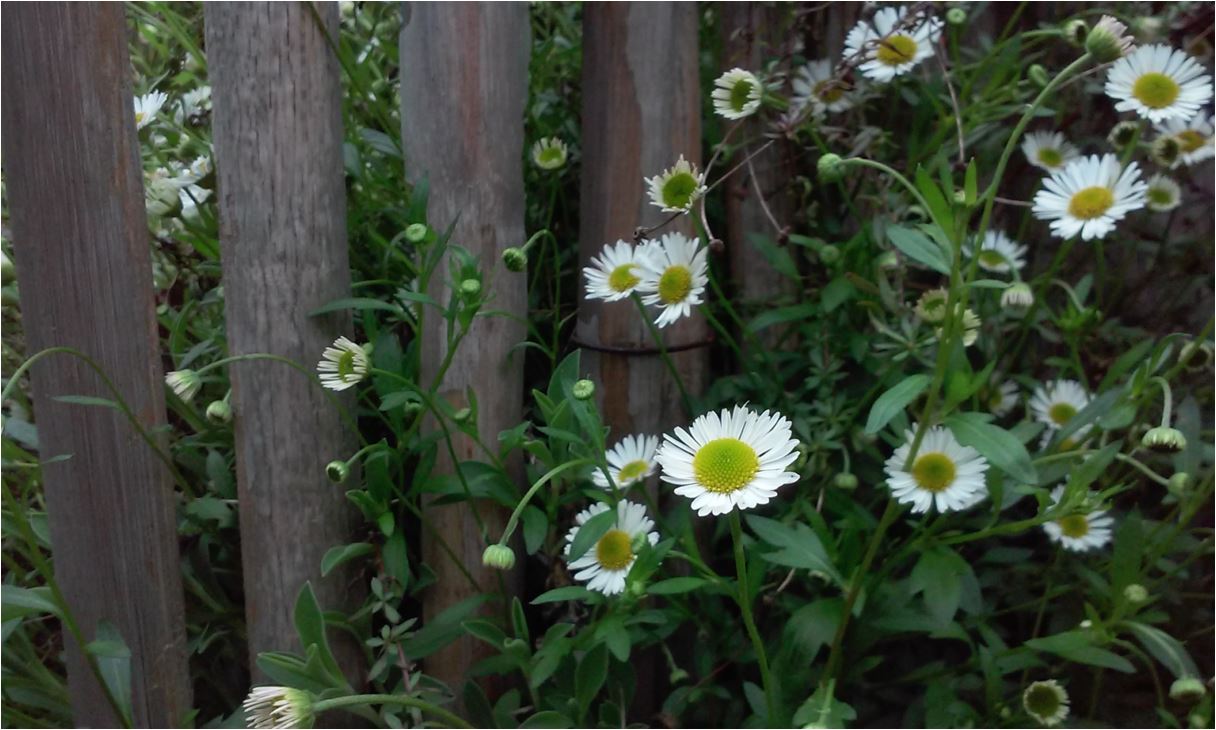
Erigeron
Santa Barbara Daisy (Erigeron sp.) – low growing mound with small white fading to lavender daisies. Low care.
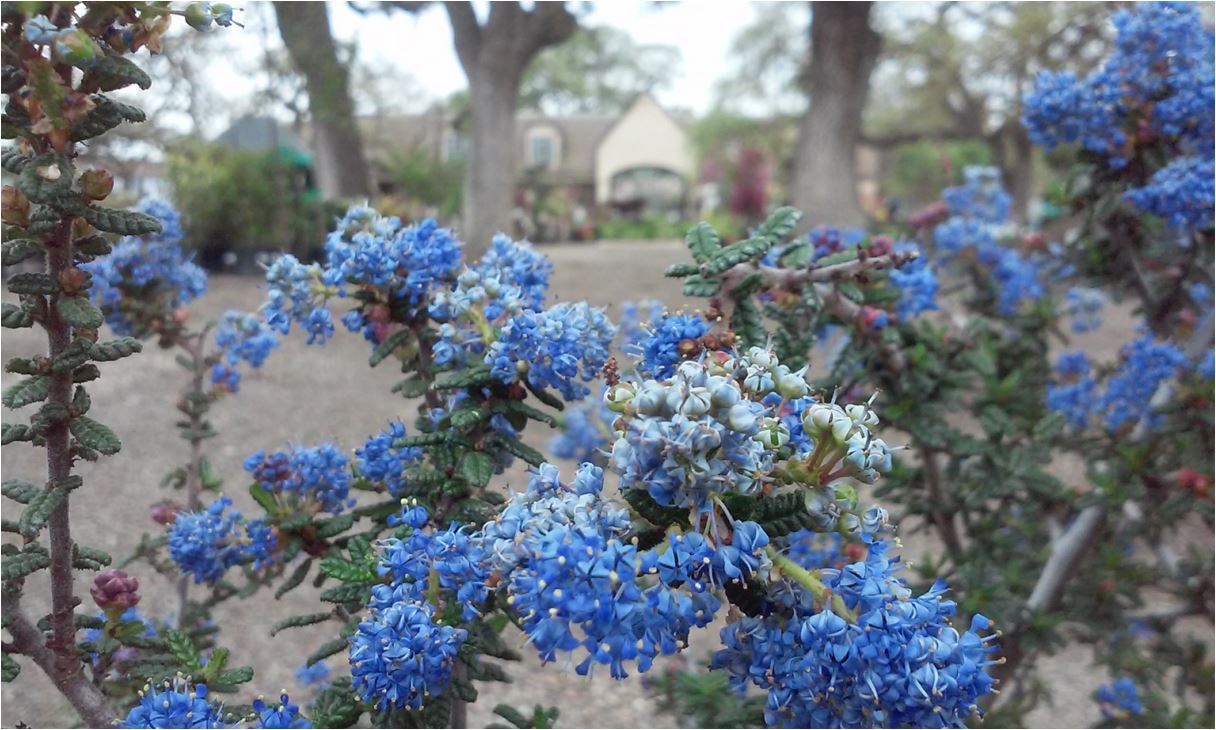
California Wild Lilac (Ceanothus sp.) - spring blooms in shades of blue attract pollinators and provide homes for butterfly larvae
California Wild Lilac (Ceanothus sp.) – spring blooms in shades of blue attract pollinators and provide homes for butterfly larvae
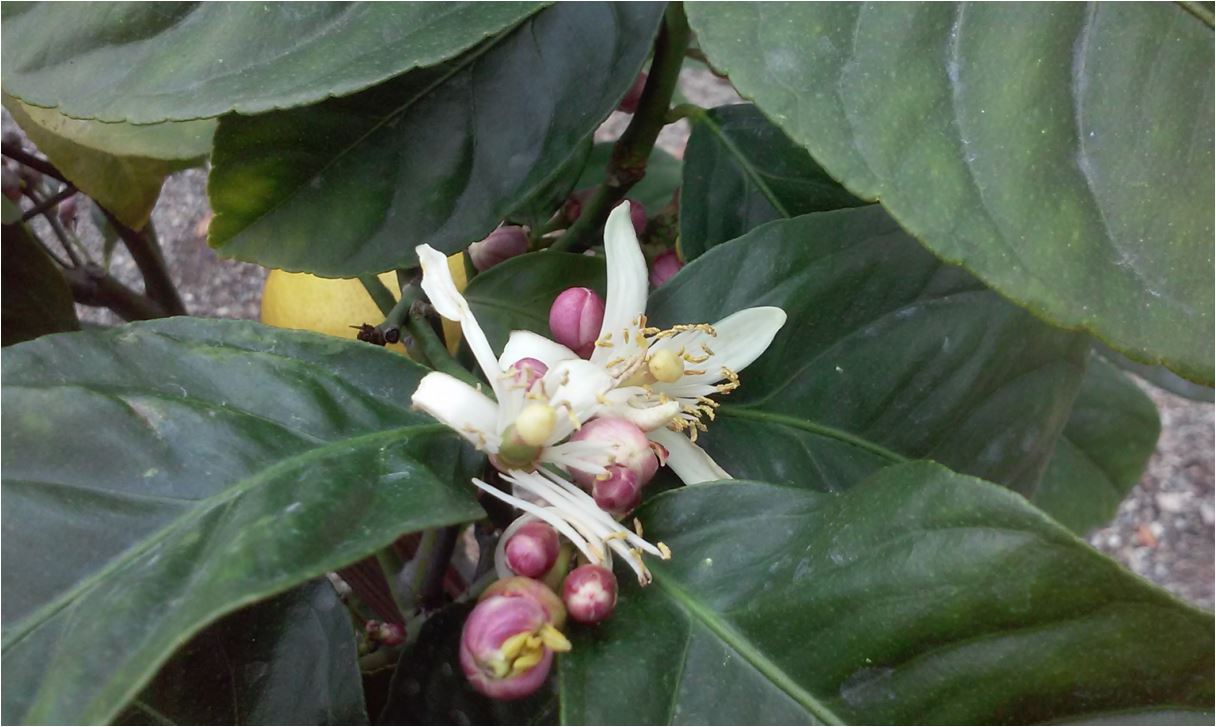
Citrus - heady fragrance we love attracts the pollinators needed to produce mature oranges and lemons
Citrus – heady fragrance we love attracts the pollinators needed to produce mature oranges and lemons
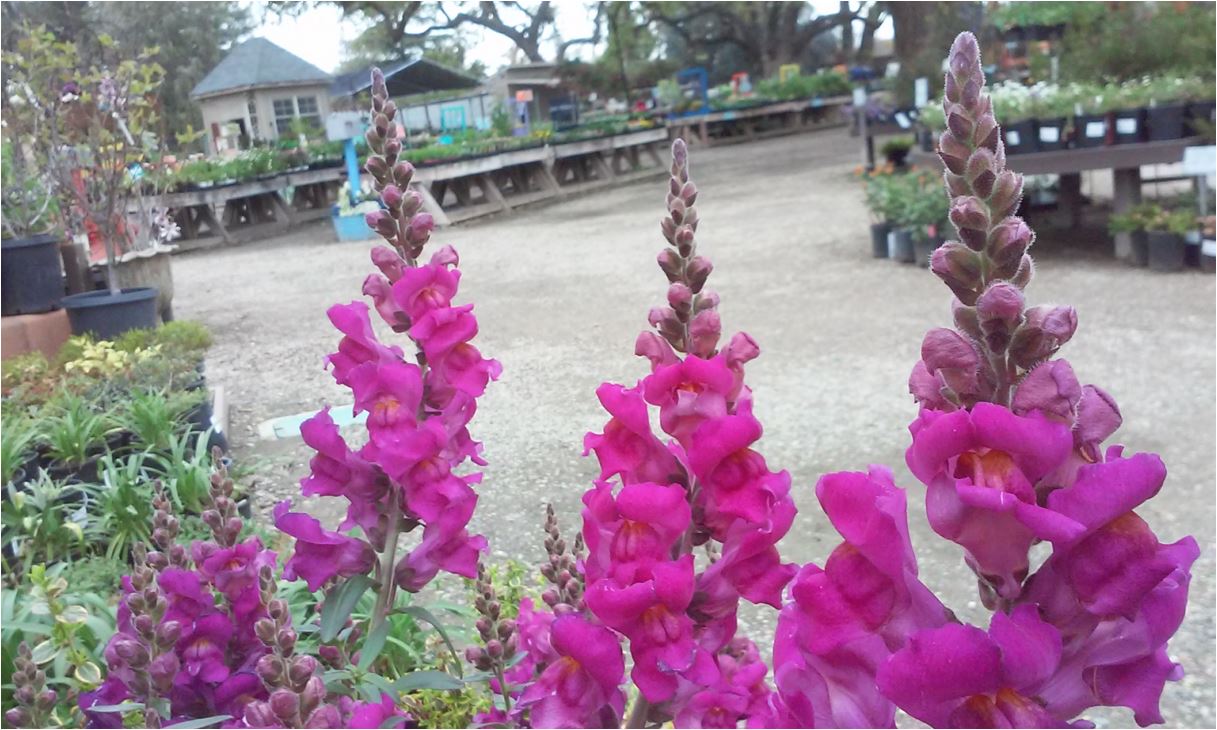
Snapdragons - upright, cheery annuals grace gardens with loads of blooms
Snapdragons – upright, cheery annuals grace gardens with loads of blooms
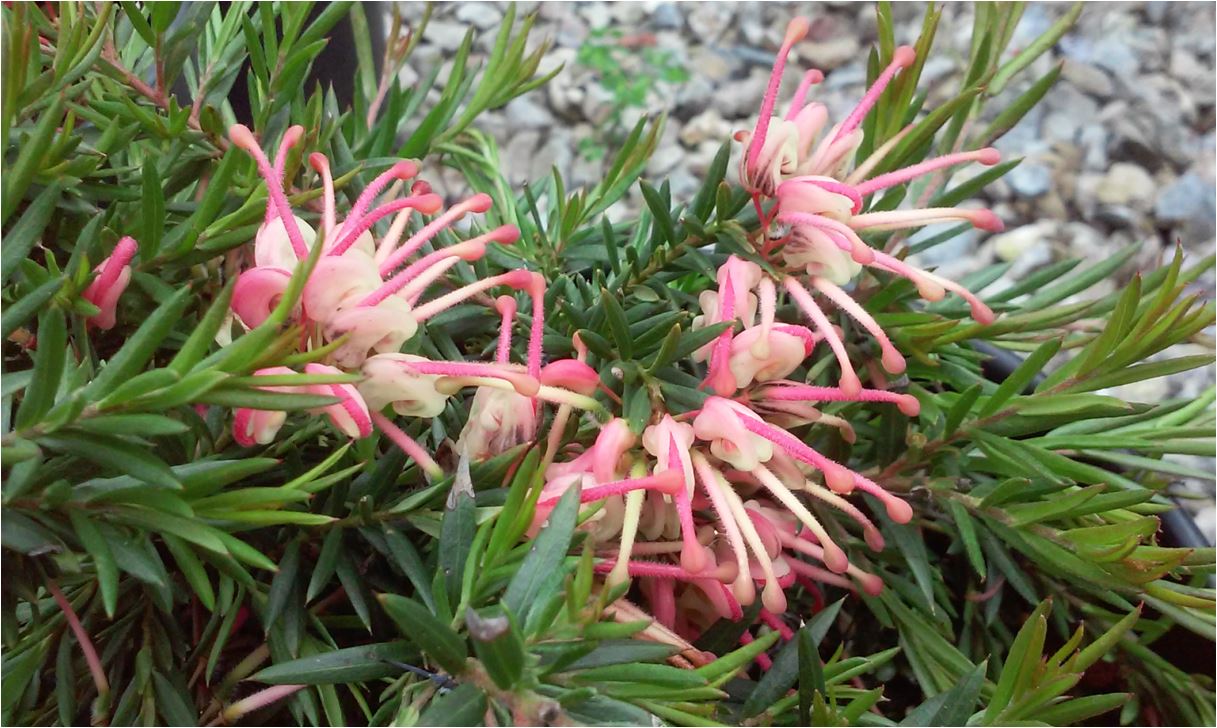
Grevillea - from down under, a whole range of heat lovers bloom in shades of coral - irresistible to hummingbirds
Grevillea – from down under, a whole range of heat lovers bloom in shades of coral – irresistible to hummingbirds
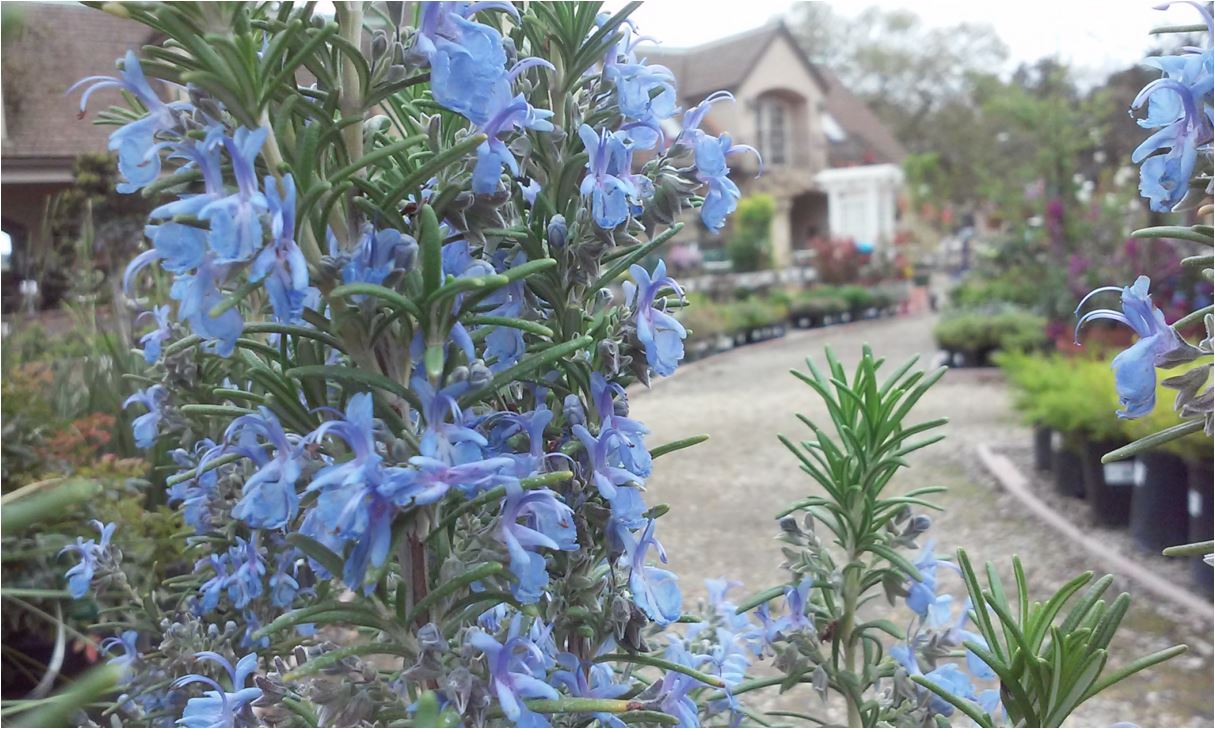
Rosemary - the same aromatic, low water user we love in the kitchen is a pollinator magnet
Rosemary – the same aromatic, low water user we love in the kitchen is a pollinator magnet


Enjoy the Fresh Taste of Home-Grown Apples

Growing Apples

apples156Apple trees are as lovely in bloom as any strictly ornamental flowering specimen. But unlike ornamentals, apple trees will provide you with a delicious harvest of fruit. And because you’ll be able to enjoy that fruit fresh off the trees (when it tastes best), you’ll have added incentive to adhere to the old maxim about having one a day to keep the doctor away!
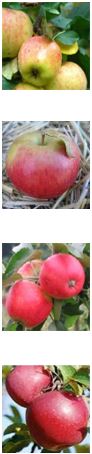
Favorite Apples

favorite-applesGravenstein
This large fruit has a bright green skin with red stripes. It is crisp and juicy. Especially noted for it’s cooking usage, it also is considered flavorful if a bit tart. It needs a pollinizer.

Honeycrisp
“Explosively crisp”, Honeycrisp apples are fast becoming the most popular apple in the world! It is a large, sweet apple with crisp “to-die-for” texture! Sometimes the name of an apple says it all. Honeycrisp apples are honey sweet (with a touch of tart). No other apple matches its crispness. Honeycrisp apples can store three to four months in the refrigerator. Honeycrisp it is more than an apple it is an eating experience.

Pink Lady Pink Lady
The hallmark of the Pink Lady® is an attractive pink blush over a yellow undertone. The fruit often displays ribbing, or a bumpy skin but remains appealing to consumers despite these peculiarities. Pink Lady® fruit is medium to large-sized and oblong with a crisp texture and dense, cream-colored flesh. This apple releases a sweet-tart flavor with an excellent sugar to acid balance. The vigorous Pink Lady® is an upright tree with large leaves.

Winesap (Stayman)
Long-time favorite late red speckled skin apple. Juicy, smooth texture. Lively flavor, used fresh or for cooking. It needs a pollenizer.

Heirloom Apples

heirloom-applesArkansas Black
Large, late season. Dark red skin, high quality even where summer nights are warm. For dessert and cooking. Keeps many months. Partly self-fruitful. You’ll have a better, more regular harvest when you provide a second type of apple tree that allows successful cross-pollination to occur.

Ashmead’s Kernel
Widely regarded as one of the all-time best-flavored apples. Small to medium-sized fruit; variable shape, often lop-sided. Greenish to golden brown russet skin with reddish highlights. Creamy yellow flesh is aromatic, crisp and sweet. Fruit picked early is somewhat sharp and acidic, but mellows after a few weeks off the tree. Used for dessert, cider, and sauce. Resistant to powdery mildew. From England, discovered in the early 1700s. You’ll have a better, more regular harvest when you provide a second type of apple tree that allows successful cross-pollination to occur.

Cox Orange Pippin
Old favorite dessert apple: firm, juicy, sweet, rich flavor, not tart, distinctive aroma. Skin is orange-red to bright red over yellow. Prefers moderate climate. You’ll have a better, more regular harvest when you provide a second type of apple tree that allows successful cross-pollination to occur.

Rome Beauty
A baker’s dream, but Also a great eating apple. Smooth, blazingly bright red skin with sweet, slightly juicy flesh. Primarily cooking apples, with flavor that intensifies and becomes richer when baked or sauteed.

Color in January

You might be surprised to see how many plants are producing color in the winter here at Alden Lane! Azure Bush Germander is in full (blue) bloom, Grevilleas and Leucadendrons are plants from Down Under, showing foliage or flower color now. Com into the nursery now to select plants that give your garden year-round appeal.

grevillea-january Grevilleas
These beauties come from the Land Down Under. Grevilleas grace the winter garden with swirls of pink or red blossoms. They range in height from rolling groundcovers to towering trees, most grevilleas in the nursery are in the mid-range as far as heights go, at about 4-5 feet. Grevilleas are drought tolerant!
sasanqua-january
Sasanqua Camellias
Many Sasanqua Camellias begin to bloom in November and flower colorfully through winter. Generally thought of as moderate in height, they typically grow in the shade or morning sun reaching heights to 5. However, each variety is different, some grow more upright and some scramble. 
teucrium-january
Bush Germander
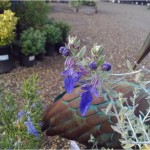
Sporting electric blue flowers on stunning gray foliage, azure Bush Germander is a drought tolerant, winter blooming show-stopper. Can be sheared to any height or shape. Left alone it will be about 5′ high, Bush Germander has been seen in a neighborhood nearby kept as a 1′ high hedge, and in our demo garden as a 5′, free-form shrub.
protea-january Proteas
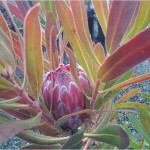
Proteas are thought of as frost tender in our area, but I did find this one in the nursery.  The flowers are bold and exotic. growing on large shrubs
leucodendron-january
Leucodendrons
Leucadendrons are similar to proteas but hardy and generally grown for their leaf color though they do flower; just smaller. Being from Australia, they detest phosphorus, so don’t feed them a normal fertilizer, skip the feeding or provide a bit of cottonseed meal.
citrus-january Citrus
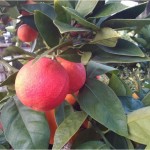
Citrus usually get all dressed up and showy in winter; loaded with fruit. begging to be eaten, but certainly attractive for their ornamental value as well. Heights vary and can be controlled with pruning.  Citrus are somewhat frost tender, so be prepared to cover when cold.


What to Prune in January

Now is pruning time; we have a general pruning class on Saturday, January 23rd, but for the meantime, here is a short summary of what to prune now.

prunny[1]Basically now is the time to prune plants that are leafless but not about to bloom.

Generally, trees are pruned when they are in their most dormant state. December and January are ideal times for pruning most deciduous fruit and shade trees. The exceptions to this rule of thumb are ornamental trees and shrubs grown especially for their spring flowers. Flowering plum, peach and cherry trees, magnolia, as well as forsythia, lilac and a few others are pruned just after blooming in the spring in order to avoid removing flower buds.

Evergreen plants are best pruned in Mid February and/or Mid August just before the seasonal flush of new spring or fall growth.

Evergreen plants susceptible to frost damage such as citrus, oleander or bottlebrush should be pruned after danger of frost in early April.

Plants that sustained frost damages and look horrid now should be pruned after new growth emerges in April so you know what is dead or alive.

Feel free to bring in photos of your pruning problems and questions; we can help!

Upcoming Classes

Pruning Basics Class. Saturday, January 23rd from 11:00 a.m. to 12:30 p.m. for the last pruning class.

Grape Pruning. Saturday, January 23rd from 1-2 p.m., with Jim Ryan, grape & wine ­consultant.

Fertilize your Lawn Now but Reseed in Spring or Fall

fertilized lawn
This picture shows a section of lawn with and without fertilizer.

This picture shows a section of lawn with and without fertilizer.  Our lawns are typically cool season grasses, (Fescue, ryegrass or bluegrass) and, therefore, respond well to fertilizer in the winter months.  If you kept your lawn up through the drought, (most survived with 2x a week summer watering), now is an excellent time to fertilize with Master’s Fall and Winter Feed.

Reseeding Lawns Should Wait
Many are asking questions about reseeding their lawns, assuming the drought is over.

Lawn seeds germinate best when temperatures are 65 degrees and up. Late March, April, May, and early June are preferred times for reseeding lawns. We recommend waiting to reseed.

California’s new normal includes smaller lawns or no lawns.  We would love to help! We can help you select attractive alternatives. Many gardeners have removed their lawns and replaced them with shrubs groupings, pathways, and ornamental garden elements.

Many gardeners have removed their lawns and replaced them with shrubs groupings, pathways, and ornamental garden elements.


Winter Houseplant Care

houseplants

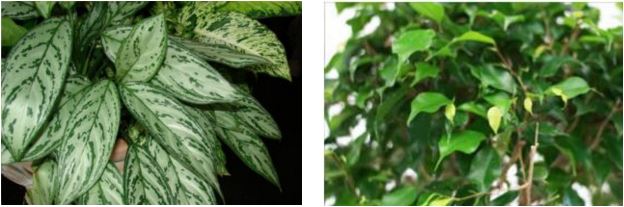
Houseplants, just like people, need to adjust to winter conditions. As your home gets closed tighter for winter and is heated, the overall environment around your houseplants becomes drier. And, depending on where the plant is located, cold or hot drafts can become a problem. Finally, as days get shorter and winter clouds dominate the sky the quantity and quality of light is typically greatly reduced.

As a result, your houseplants may not only begin to look unhealthy, they may be facing a real seasonal threat to their existence. Visible symptoms include sudden leaf loss, leaf tips turning brown, and a generally droopy or wilted appearance.

Fortunately, if you see these signs of trouble, all is not lost and with just a little thought and effort you can restore your houseplants to vigorous health – to help you out, here is a convenient checklist:

Some plants are sensitive to the fluoride and chlorine in tap water. Water containers should stand overnight to allow these gasses to dissipate before using on plants.
Nobody likes the shock of a cold shower – least of all your more temperature sensitive houseplants so be sure to allow winter chilled tap water or collected rain water to warm to room temperature before watering.

Winter dryness means more and finer dust indoors so be sure to wash the dust off of houseplant leaves on a regular basis. This allows the leaves to gather light more efficiently and will result in better growth and health.

Winter dryness also means you should have some plan for humidifying your plant’s environment such as misting, or placing humidity-loving houseplants on trays filled with pebbles and water. Pots should sit on the pebbles, not in the water.

Conversely, too much water is worse than too little. Pay attention to the soil of your houseplants and avoid overwatering. When in doubt err on the side of too little vs. too much water.

Likewise, avoid overfeeding with too much fertilizer and NEVER feed a thirsty plant — a good rule of thumb is to always water one day and feed the next.

If you have not repotted your houseplants in recent memory they may be suffering from being root bound. You can test for this by sliding a knife down the inside edge of the pot. If there is resistance, it means that large roots have grown out to the edge of the soil ball. Remove the plant from its pot, and cut away any large, circling roots on the outside of the soil ball. Pot into the next largest container, using fresh Master Nursery potting soil.

Winter heating may subject your plants to the twin shocks of sudden cold and hot drafts — both are to be avoided. Make sure your plants are not in the direct output of your furnace air ducts, cold air returns and/or fireplace radiant heat. This also holds true for exposure to entry way door areas, drafty stairwells, etc.

During winter’s lower lighting conditions, your houseplants can become lopsided. To keep your plants from leaning, rotate them a quarter turn every 2 weeks or supplement the natural light with grow lights until spring when the sun is higher and stronger.

The above checklist should prevent and/or solve the vast majority of houseplant problems. But, if they do not, just bundle your sick plant up warmly and bring in to the Nursery for the help you need to restore your sick houseplant to health and vigor.

houseplants-b

January Vegetable Garden Guide

Vegetable Plant Time Amount (family of 4) Special Notes Plant Now
Artichoke Year ’round 3 – 4 plants Permanent, perennial. Bareroot after 11-12
Asparagus January – February 30 – 40 plants Permanent, perennial. Pick up free planting guide. Bareroot after 11-13
Broccoli August – February 15 – 20 ft. row Can be planted more than once/year for a continuous harvest. From starts or seeds
Brussels Sprouts August – February 15 – 20 ft. row N/A From starts or seeds
Cabbage August – February 10 – 15 plants Suitable for a small garden if compact varieties are grown. From starts or seeds
Cabbage, Chinese August – February 10 – 15 ft. row Suitable for a small garden if compact varieties are grown. From starts or seeds
Carrots Year ’round 20 – 30 ft. row Suitable for a small garden if compact varieties are grown. Can be planted more than once/year for a continuous harvest. From Seeds
Cauliflower August – February 10 – 15 plants Tie leaves up and over head to protect from frosts. From starts or seeds
Celery August – February 20 – 30 ft. row Suitable for a small garden if compact varieties are grown. From starts or seeds
Chard August – February 3 – 4 plants Suitable for a small garden if compact varieties are grown. From starts or seeds
Chives Year ’round 1 clump Suitable for a small garden if compact varieties are grown. From Starts or Seeds
Endive August – February 10 – 15 ft. row N/A From Starts or Seeds
Garlic October – January 10 – 20 ft. row Suitable for a small garden if compact varieties are grown. Note: plant through EARLY January for best results From Bulbs
Leeks August – February 10 ft. row N/A From Starts or Seeds
Lettuce August – February 10 – 15 ft. row Suitable for a small garden if compact varieties are grown. Can be planted more than once/year for a continuous harvest. From Starts or Seeds
Mustard August – April 10 ft. row N/A From Starts or Seeds
Onions (bulb) November – March 30 – 40 ft. row Suitable for a small garden if compact varieties are grown. Bulbs
Parsley Year ’round 1 – 2 plants Suitable for a small garden if compact varieties are grown. From Starts or Seeds
Peas September – January 30 – 40 ft. row Suitable for a small garden if compact varieties are grown. Can be planted more than once/year for a continuous harvest. From Starts or Seeds
Potatoes January – March 50 – 100 ft. row Arriving Early January for planting through mid-March
Radishes Year ’round 4 ft. row Suitable for a small garden if compact varieties are grown. Can be planted more than once/year for a continuous harvest. From Seed
Rhubarb December – February 2 – 3 plants Bare root in November – January, Canned in February – April and again in September and October. Bareroot
Spinach September – January 10 – 20 ft. row Suitable for a small garden if compact varieties are grown. From Starts or Seeds
Strawberries June – September 12+ plants Bare root in November – 6-Pack arriving in March. Bareroot after 11-12