Begonia Tubers are Here

Tuberous begonias are here (tubers) now and grow to bloom throughout the summer.

Select your begonia tubers now, because fewer are available this year.

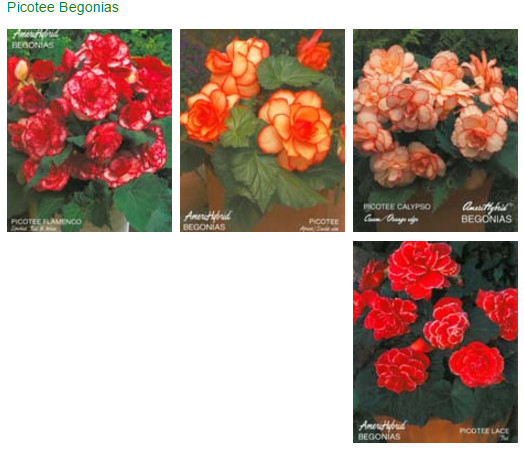
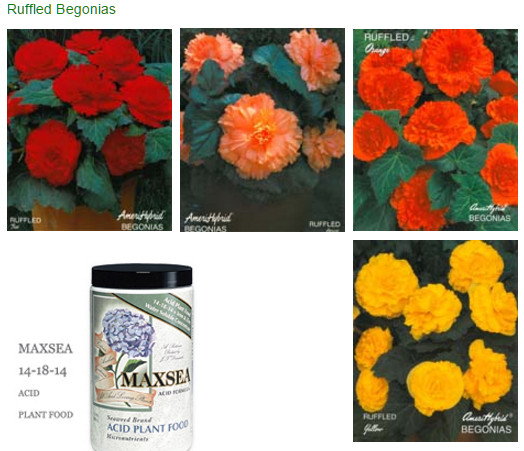
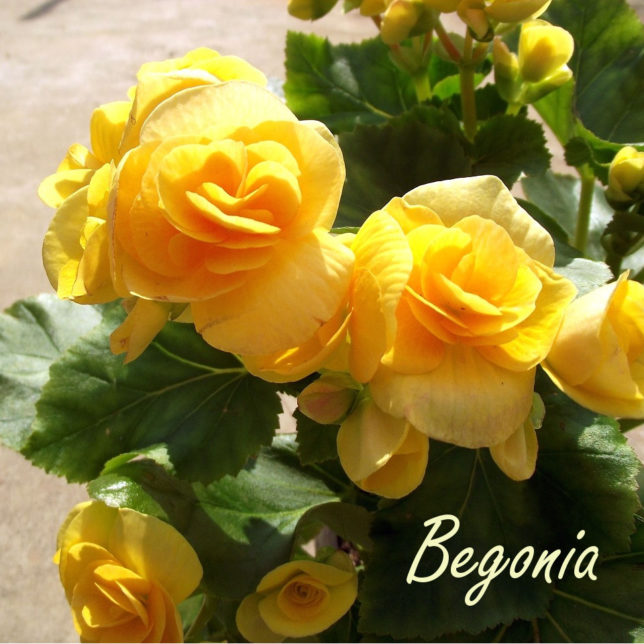
Begonias are Ideal for north facing areas, they thrive in shady spots where few other plants with long bloom periods and showy flowers can grow. Gardeners like their versatility; planting them as container plants on patios and porches, in hanging baskets, and as bedding plants. Their beautiful flowers come in a variety of colors and forms. Red, orange, yellow, white, salmon and pink blooms may be plain, ruffled or fringed; their petals may have margins, crests or blotches of contrasting color.

Plant Tuberous Begonias in well-draining, rich soil, preferably in a container, (for improved drainage).

Plant in Master’s Pride Professional Potting Soil enriched with E. B. Stone Bulb Food.

Plant the cup-shaped tubers concave surface, or “cup” up and cover with just 1/2″ of soil.  Completely wet the soil and don’t water again until they begin to grow.
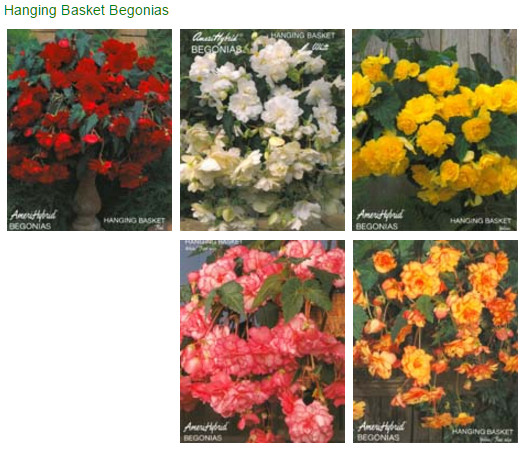
begonias-hanging

begonias-picote

begonias-ruffled


Feed begonias as they reach 2″ with Maxsea Acid Fertilizer.
 

Planting Tomatoes Early

Tomatoes are one of the most popular home garden edibles across the globe. And no wonder – they are easy to plant, low maintenance, and produce 10 or more pounds of fruit per plant in less than 3 square feet. In addition, they contain vitamin C and calcium and there are indications they may play a role in minimizing digestive tract cancers and help prevent heart disease and high cholesterol.  By the way, they are also delicious, easy to prepare and a staple item in many recipes. Tomatoes have it all!

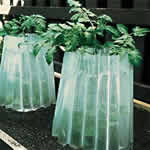
Give tomatoes an warmth for an early start using these Season Starters
Give tomatoes extra warmth for an early start using these Season Starters

Tomatoes will actually do best when the soil is warm enough to sit on… that is usually Late April or May.  We always bring tomatoes in early for those gardeners who want an early start. protect early planted tomatoes with Season Starters (pictured at right) or insulating fabric (row cover).

Save room in your garden for more tomatoes arriving later, but try some of the basics now for an early start.


Prolific as tomatoes are, you can improve their yields and your success utilizing the following methods.

  1. Plant in lots of sun.
  2. Leave plenty of space between plants, at least, 2.5 to 3 feet for good air circulation.
  3. Amend the soil before planting with lots of Bumper Crop soil amendment.  Prime pH for tomatoes is 6.2-6.6.  Bumper Crop moderates pH by a full point.
  4. Add 1 tsp. of Epsom salts into the planting hole at the time of planting. This provides magnesium which is essential for good productivity.
  5. Plant stems deep. Additional roots will grow from the buried stems.  More roots equate to more productivity.
  6. Provide good sturdy support early on.  Most tomatoes outgrow their supports.
  7. Fertilize with Master Nursery or E.B. Stone Tomato and Vegetable Food monthly until fruit set.
  8. If you’re having a problem with flower set, fertilize with Master Bloom or Ultra Bloom fertilizer every other time.
  9. After fruit set you can fertilize with magnesium or SulPoMag every 3-4 weeks.
  10. Provide 1″ of water per week.
  11. Cull some of the upper fruit to push more of the energy into remaining fruit.
  12. Prune off the top of the plant to force energy into fruits.
  13. Pray for “mother nature” to give us warm days & nights! Prime temps. for tomatoes are between 65 & 90 degrees. Temp’s over 95 stop fruit set and growth and nighttime temp’s below 55 degrees stop fruit set and growth.
  14. Rotate crops into different beds or areas yearly so ou do not spread a tomato disease from one year to the next.
  15. Mulch after the soil warms.

Attracting Pollinators to the Garden

woolygHummingbirds, butterflies, beneficial insects and native pollinators bring life, joy and movement to the garden and help us appreciate the smaller miracles of the natural world. Attracting Pollinators is as simple as planting the right plants and providing shelter, nectar and larval food.

Whether gardening for pleasure or to produce edibles, attracting these small marvels of nature into your garden has never been easier or more important. Alden Lane is featuring a diverse selection of natives, perennials, and annuals each month so you can “plant it and they will come”. Visit each month to see our featured profusion of beautiful host and food source plants.

Pollinator Power
“Plant it and They will Come”

We would like to encourage you to get your pollinator pride on by joining the nationwide Million Pollinator Garden Challenge” sponsored by the National Pollinator Garden network. The network is rallying us all, from window box gardeners to those with yards and larger properties, to help ensure the health of our local flora and fauna. It’s as easy as visiting their website www.millionpollinatorgardens.org or visiting Twitter #PolliNation and registering your garden.


Widgets


Last Name, First Name
Phone Number 

Pie Selection


Holiday Cash

obj3427geo1719pg117p7[1]Holiday Cash is redeemable Thanksgiving through December 24th on all purchases. Holiday Cash may be used for up to half your purchase.
Example: If you have 10 Holiday Cash Dollars, you may use all 10 on a purchase of $20 or more.

Holiday Dollars are not valid with other discounts or coupons, not valid on sale items, sod or special orders.  Sales limited to stock on hand.  Not redeemable for cash, nor for gift certificates.

November and December are filled with lots of holiday events.  Watch our Newsletter for a schedule of events.

Holiday Cash is distributed October 1st through October 31st.
You earn 10% of your total purchases and are paid in Holiday Cash.

Enjoy the following coupon for 1 free Holiday Dollar

Bulbs for a Dry Climate

California climate loving bulbs are an easy suggestion to add a splash of color in the garden without needing a lot of water. They are also good because unlike many traditional bulbs, they do not need to be refrigerated before planting or dug up and stored.

Originating in climates similar to ours, these bulbs are accustomed to dry summers and moderate climate. They are often dormant in summer.  Plant in drifts now for spring rewards with a lasting effect.

Anemone
Also known as Wind Flowers, these are some of the first to bloom in spring. Soak your bulbs for a few hours in lukewarm water to “wake them up”. Dig area and plant the anemones 1″-2″ down. Water well, soaking the area.

Freesia
Known for their fragrance, freesias are nice when planted among low groundcover plants where their floppy nature can be well supported. They also work well in containers. Plants bloom at about a foot high in late spring. Full sun.

Watsonia
Bold, spikes of small Gladiolus type flowers. Makes a great cut flower. Looks best when allowed to develop large clumps
Plant in full sun or morning sun.
Reaches 3′ or 4′

Sparaxis
Clusters of kaleidoscope-like patterned and colored flowers up to 2″ wide. A spectacular addition to borders, rock gardens, and container plantings.

Amaryllis belladonna
(Belladonna Lily) has just finished blooming around the valley. Now is the time to plant them as bulbs & we have them!  They bloom with no additional water.


Funshops are like Workshops

NEW! – FUNSHOP for Kids – Like a workshop, but more fun.

Introducing a new way to have fun at Alden Lane! You can book an awesome activity like building a Fairy Garden, making a Fairy Door, decorating a pot and planting it, and our newest activity- making Fossils.

Choose an activity, get a herd of youngsters together and we will provide the materials and instruction for all.

We don’t call it a WORKshop- because it is so much FUN. Here’s the best part! If you want to make the Funshop into a Birthday Party or other celebration, we can add a party setup with tables and chairs, and have your party right here!

Add on a Fairy Door Hunt and you have got yourself one amazing celebration.

Put away your cell phones and game devices and let your kids experience the joy of creativity in such a lovely environment as Alden Lane.

More detailed information can be found in our Garden Store or contact Sue (sue@aldenlane.com) (925) 447-0280 to get info or book a Funshop.

Move Houseplants Outdoors for Summer

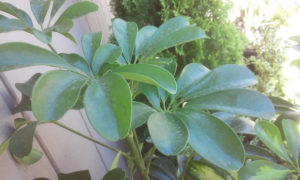
house-plantsSummertime R & R is beneficial not just for the humans, houseplants and orchids revel in a little outdoor vacation of their own.
In summer and even into fall conditions are perfect for moving some of your houseplants onto the porch or into an area where they get shade and shelter from the sun and strong drying winds.

Even in the shade, outdoor light gives your houseplants and especially your indoor orchids, an extra shot of light to refresh them and give them extra energy for the winter ahead.

Remember, outdoors the plants will need a bit more regular watering as they will dry out quickly. When it comes time to bring them indoors, check them over carefully so you don’t transfer unwanted pests inside.

Statuary Maintenance

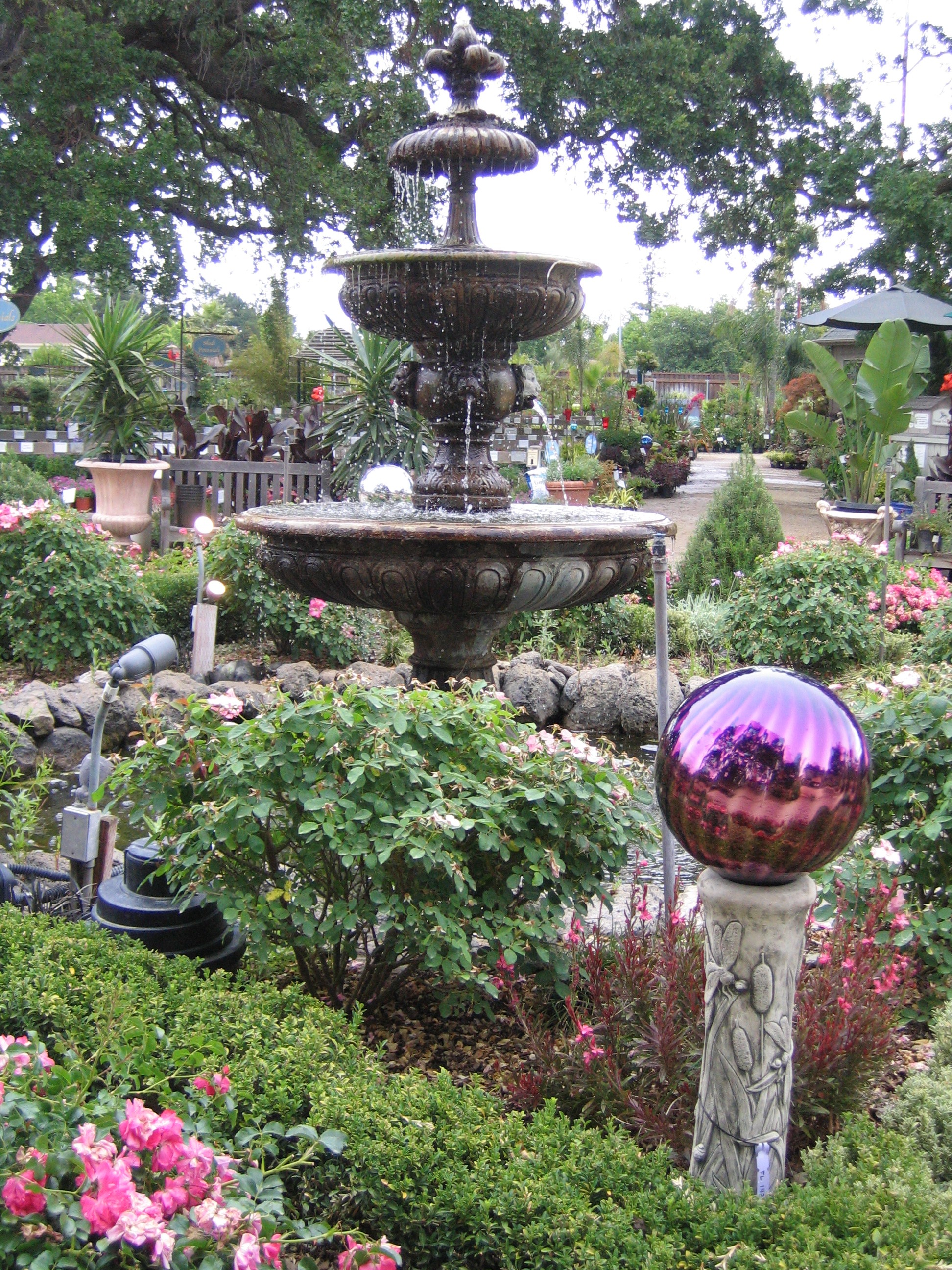
June 13, 2006 087Now is a great time to renew your investment in your statuary and fountain collection. Just like your car, routine maintenance is the most important part of enjoying a fountain year round.

Clean out the filter on your pump and do so at least once a month or every two weeks. Don’t know where your pump is? Now’s the time to find out!

Drain or siphon out the water in your fountain or birdbath every two weeks. This will help with mosquito abatement too. Wash with mild soap and water and refill with fresh, clean water. Don’t use abrasive cleaners, brushes, or bleach or you could damage the finish. Never run your fountain without the submersible pump being completely under water so you may need to top off every day if it’s hot or windy.

Having algae problems? In addition to  cleaning, try a few drops of Physan. It’s safe for birds. Always read directions on the label.

Check for damage on your GFI outlet for your fountain and make sure you’re not using extension cords to plug your fountain in (this will prevent fires due to differences in electrical surges).

Remember, statuary is concrete that is made from natural products including sand and rocks. Your statuary will age and wear. This adds a natural beauty and life to the piece and is not considered detrimental to the value. Hairline cracks often develop and patinas form with natural stains, mineral buildup, and wear.

If you would like to reduce, or postpone this aging, cover and empty your statuary of water in the winter to protect from rain and frost and annually seal with a clear masonry sealer. Otherwise, enjoy the  individualized antiquing of your cherished statuary pieces year round.

Add a new statuary piece to your  collection and photograph it through the seasons documenting the effects of time and nature. Celebrate aging! It really is beautiful.

Savory Ways with Clementines

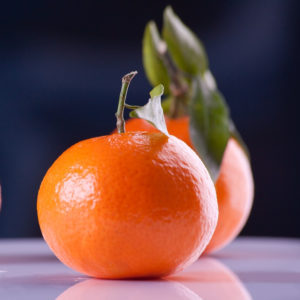
Ripening in gardens now, Clementines and other tangerines can be used in unexpected, delicious ways. They also look great in the garden!

Make a tempting winter salad of endive, frisée, or radicchio (or a mix), and clementine sections and toss with a vinaigrette made with a little clementine juice. Top with a thin slab of Roquefort and some toasted almonds.

For a tangy clementine sauce, simmer and reduce clementine juice by half, add just a touch of white wine vinegar and a little lemon juice. Season and serve over steamed vegetables, such as asparagus or artichokes.

Jazz up a salad of Bulgar, orzo, or wild rice with chopped clementines, scallions, toasted pecans, and lots of parsley. Dress it with a vinaigrette made with olive oil and lemon and clementine juices.

Give an unexpected twist to a pot roast or braised short-ribs by adding the juice of one clementine and a little bit of grated zest when you begin the braise.

See our citrus planting guide.