
Coleus Dazzle in Shade

Coleus is a summer foliage plant for a bright shade or morning sun location that adds an unexpected sparkle to the summer shade garden.  These unusual plants set off neighboring plants with their colorful foliage. Place them among blooming shade plants in your garden for a splash of light and color.

Mint Family

Coleus share a few traits with its distant cousin, mint. They like it on the shady side and have even been known to thrive in a bright window indoors. We consider them annuals; performing well till the first frost. Unlike mint they stay where you plant them and don’t wander off.

Enjoy Coleus combined with impatiens, ipomoea vine (Sweet potato vine), lobelia, nasturtiums, and other shade loving plants.  They are showy when grown in a pots or shade beds.

Care

Feed about every four weeks with Maxsea All Purpose Plant Food to keep foliage fresh looking. Pinch new growth to keep plants compact.

Blooms are best pinched out before showing color (blue). Pinching keeps the plant bushier by promoting branching leaf growth.

Coleus plants need warm temperatures and rich, loose, well-drained soil to flourish.

Flowering Vines Grace Garden Walls with Color

Flowering vines add color, texture and a vertical element to the garden

Growing a vine up a trellis or along the top of a wall, or over an arbor will give a splash of color or screen a view.  Vines provide a cooling effect by reducing the intensity of reflected light, casting a puddle of shade. They are great for creating layers in a garden without using a lot of space. Vines provide a background for other plants and add a contrasting texture. Consider creating a focal point by planting a vine to grow up an obelisk or topiary.

Let vines help set the mood or reinforce your theme, whether you are recreating a bit of Europe, aiming for an English cottage-style garden or drawing inspiration from the tropics.

Shade a patio by covering a pergola with a large vine or grape.  Vines are a versatile set of plants to provide a dynamic, exciting look to your garden.

We love the following short list of great performing vines:

Blooming now

  • Clematis can provide masses of white or shades of purple flowers midsummer through fall.
  • Honeysuckle offers a profuse show of fragrant white blossoms. Good for covering a fence or bank.
  • Climbing Roses make a stunning, colorful cover for arbors or a wall.  Many colorful options abound. Some will reach 12 or more feet and provide a beautiful frame for a country garden.
  • Pink Bower Vine blooms intermittently through the warm months providing a tropical-like look to sunny or part sun areas.

Blooming or fruiting later 

  • Morning Glory is a free-flowering informal vine perfect for an English Cottage-style or country gardens.
  • Vine Lilac can handle sun or shade and blooms purple in late January/early February when little else is happening.
  • Grapes are fruitful performers whether you plant table grapes or wine grapes or plant a California native, like Rodger’s red to say, “California.”

Recently bloomed

  • Wisteria is a massive, rampant climber best suited for a large patio cover or pergola. Cooke’s Purple will flower intermittently through summer as well as a big splash in March/April.
  • Pink Jasmine is a beautiful and fragrant evergreen climber that is easy to keep to a manageable 10’. It is lovely when placed left and right of an entry arbor.
  • Lady Banks Rose is a thornless yellow or white vine that blooms once a year and has the impressive ability to raise the height of a fence by about 2’, creating a perfect privacy screen. 

Most vines mentioned here can enjoy living with occasional water… especially if you plant in well-prepared soil, and mulch to improve moisture retention.

Wisteria on our Greenhouse entry

Zinnias: Sow and Grow

Zinnias make a brilliant addition to the summer flower garden, loved by novice and expert gardeners alike. The pollinators love them too! They bloom effortlessly from summer to frost, and the more you cut, the more they branch and bloom.

Zinnias are native to Mexico and as a frost-sensitive annual appreciate warm weather. They bloom heaviest when daylight is less than 12 hours.

GENERAL SOWING OR TRANSPLANTING

Sow or plant outside now. Zinnias love the warmer weather ahead. The ideal temperature for sowing zinnias and many warm-season annuals is about 70°+. Think of it as sunbathing weather. Or you can get a headstart planting zinnias from starter plants.

We have starts ready to go into the ground now as well as many varieties from seed.

Zinnias thrive in fertile, well-drained soil in full sun (6 hours or more). Improve the soil with Bumper Crop soil conditioner before transplanting. Sow a group of 3 seeds every 8″-12″ apart and ¼” deep, depending on the variety (consult your seed packet). Or plant 4″ or 6-pack starters.

Weeding
Keep zinnias well weeded, so they aren’t competing for water or nutrients. A well-weeded patch of zinnias also has more airflow, which helps avoid fungal disease. Cultivate shallowly, as zinnia roots are close to the soil surface.

Fertilization
Plan on fertilizing with E.B. Stone Organics Rose & Flower Food – It’s slow release, organic and promotes blooms.

Water
Keep zinnias consistently moist but not soggy; allowing the top inch of soil to dry between watering once plants are established. Water the soil, avoiding the foliage to help prevent fungal disease. Mulching zinnias can help to keep down weeds, avoid soil splashing that can spread disease, and also keep the soil more consistently moist.

Special Care
Once they have four sets of leaves, clip or pinch zinnia seedlings back to just above a set of leaves, to encourage them to branch out. Deadheading frequently keeps zinnias blooming because it stops them from producing seeds, encouraging them to begin the bloom cycle again.

HARVESTING
For extended vase life, harvest before the small yellow flowers emerge from between petals.

COMMON PESTS AND DISEASES

Powdery Mildew looks like a white powder on leaves and thrives in humid weather with cool nights. Reduce chances of this disease by keeping leaves dry while watering only in the morning and during the day. Proper spacing of plants will provide good air circulation, too. Do not compost diseased plants; spores may over-winter and re-infect crops the following season.

Water-Wise Summer Perennials for May Planting

Our perennial section is alive with color this week. Perennials perform year-after-year. Here are a few of our water-wise favorites that provide interest over a long season. These are easy to grow and last to bloom again in future years. Now is a great time to plant so you can enjoy them as summer unfolds.

Beard Tongue (Penstemon sp.)

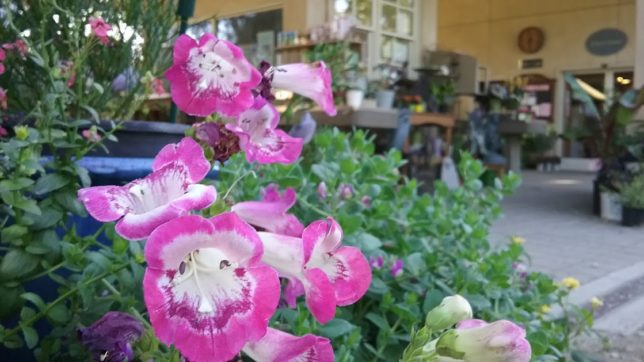
Beard Tongue (Penstemon sp.)Elegant and reliable perennials; valued by gardeners for their spires of foxglove-like flowers. Outstanding color varieties make it difficult to choose just one. Hummingbirds aren’t choosy; they like them all. Penstemon will perform all summer with regular deadheading, full sun & good garden soil.


Gaura Lindheimeri

Gaura LindheimeriGaura means “superb”, and it is. Imagine tall, loose wands of pinkish white stars, dancing on the wind. From spring to fall, this plant will flourish on a hot, dry slope, and in many other water-restricted sites. Blended with other perennials, it serves as a softening element for brighter colors. Give it a full season to establish.
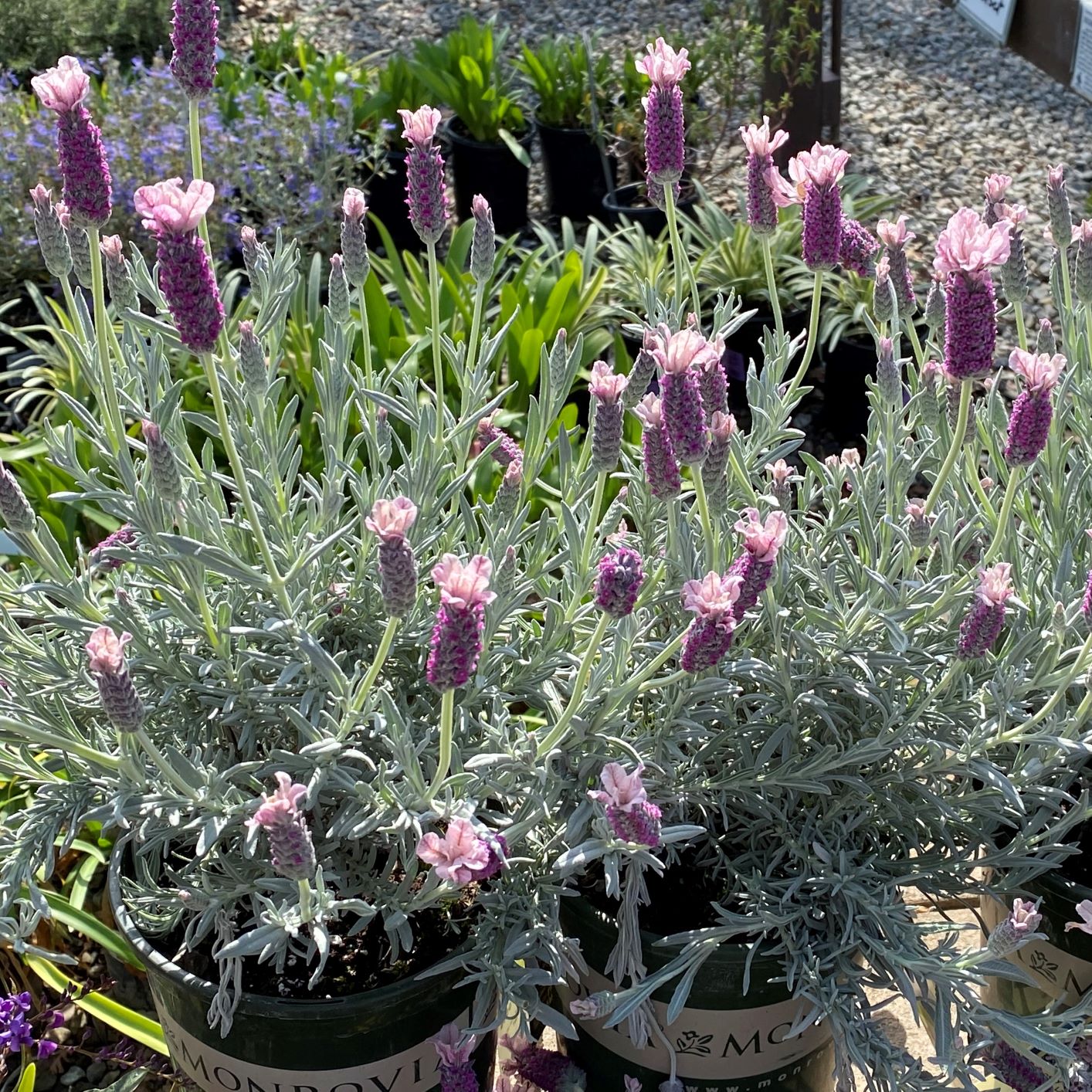

Lavender (English, French & Spanish)

These heat-of-summer bloomers produce fragrant flower spikes that you’ll love. Their lavender-blue flowers are great for dry arrangements, sachets, or they may be made into aromatic stove-top potpourri simply by boiling. Cool the water, strain; use as a counter-top cleaner. Different varieties range in height from 18″ to 3′ with an equal spread. Well-drained soil is essential.


Salvia Greggii

salvia180Known as Autumn Sage, they are available in a number of flower colors – red, yellow, pink, white and purple. Erect growth to about three feet with medium green foliage. Blooms for much of the season, spring through fall. Plant in full sun.
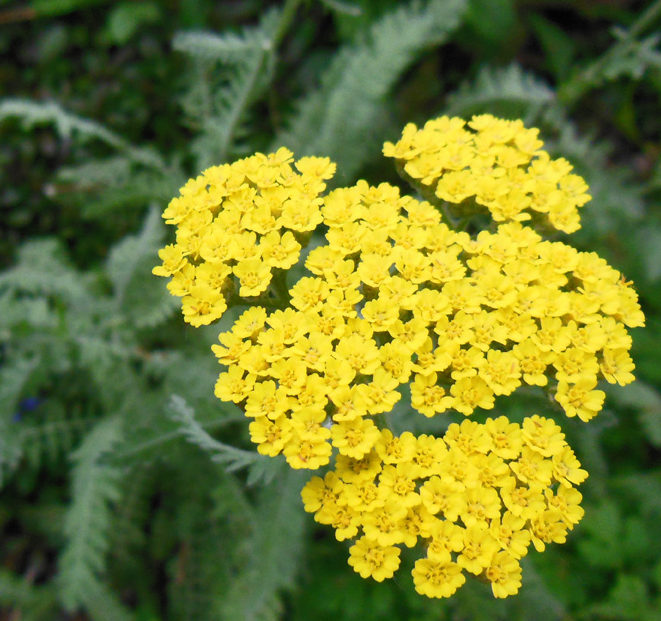

Yarrow (Achillea millefolium)

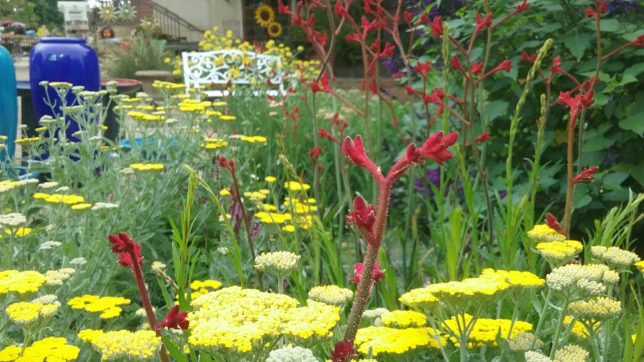
Evergreen Perennial usually in the range of 18″ high, creating a spreading mat much of the year, then stretching to full height when it blooms with white, cream, pink red or yellow “landing pads”. Butterflies love them, and so do ladybugs!


Santa Barbara Daisy

ErigeronOne of the easiest daisies to grow, and very water-wise.  Adds sparkle to the flower garden, usually grows about 12″ high and 18″ wide. Blooms heavily in spring and then moderately through the warm season.
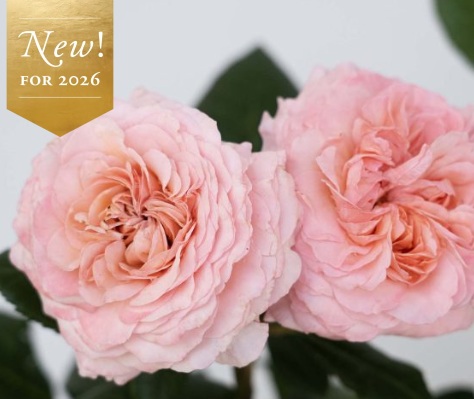
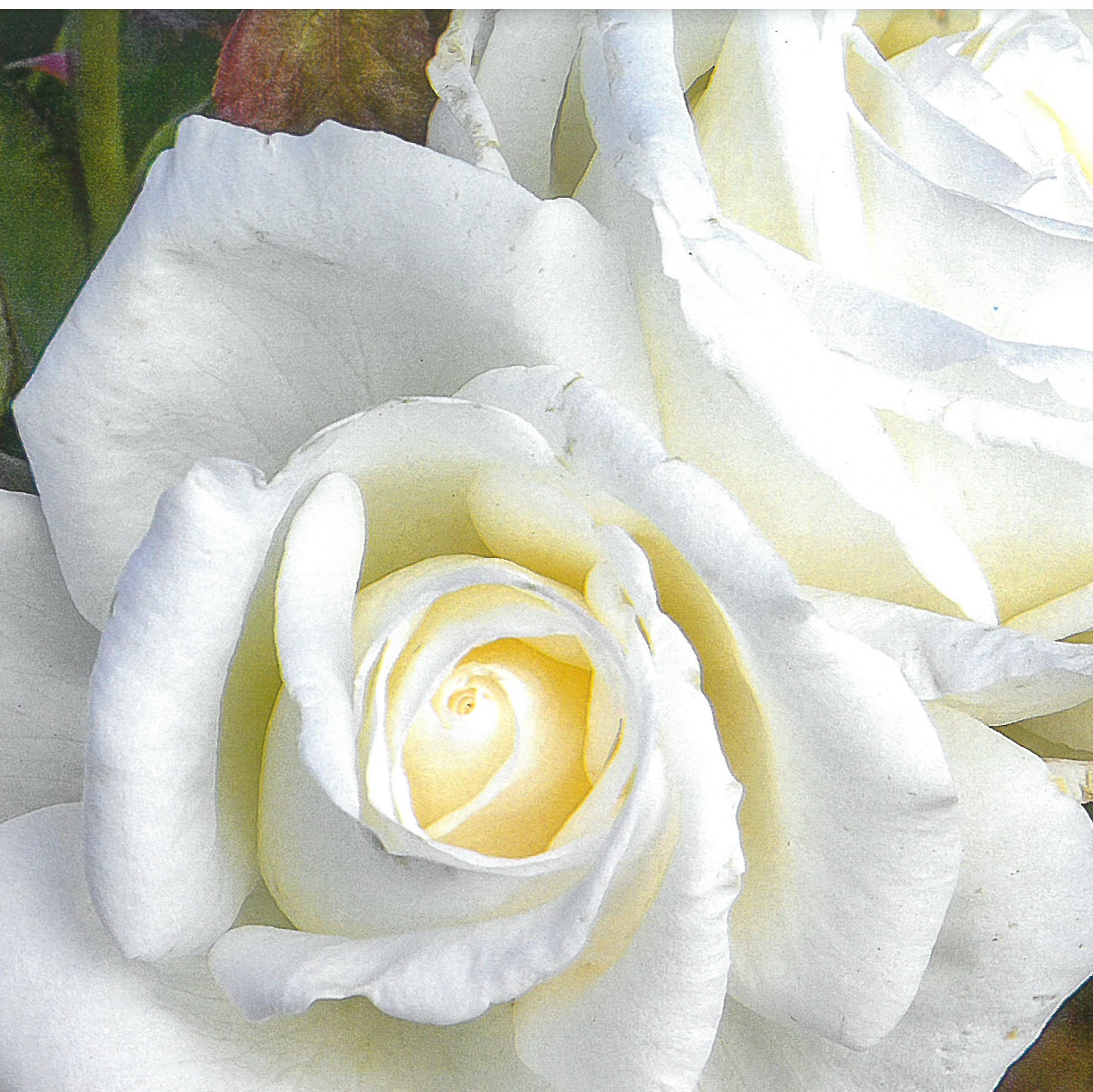
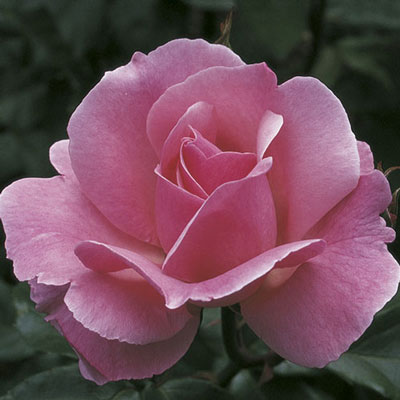
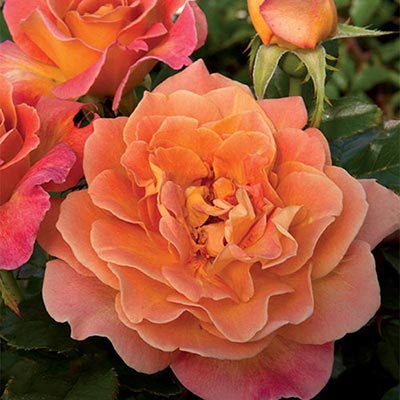
Leading Ladies

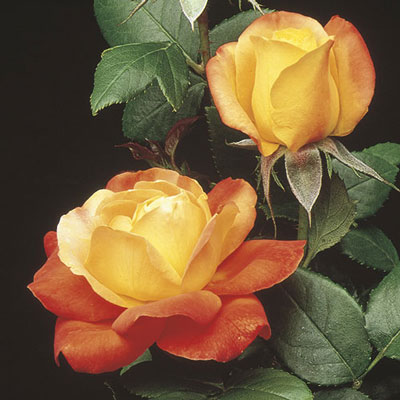
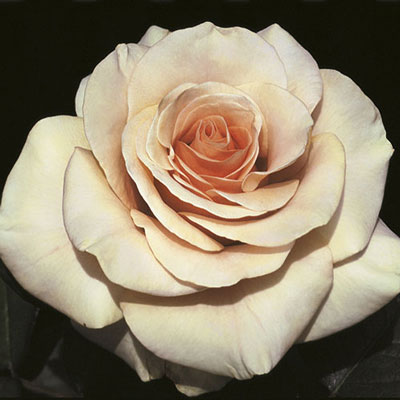
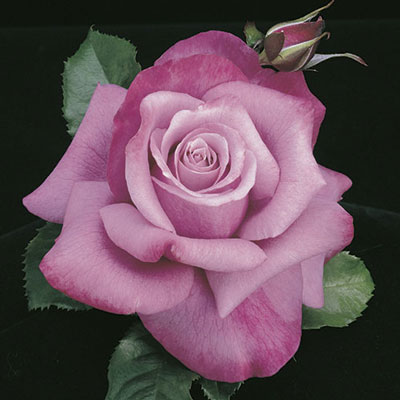
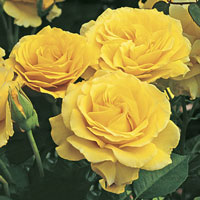
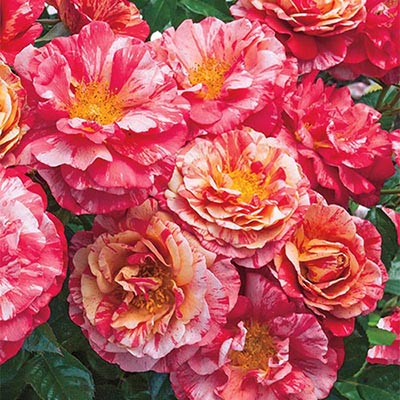
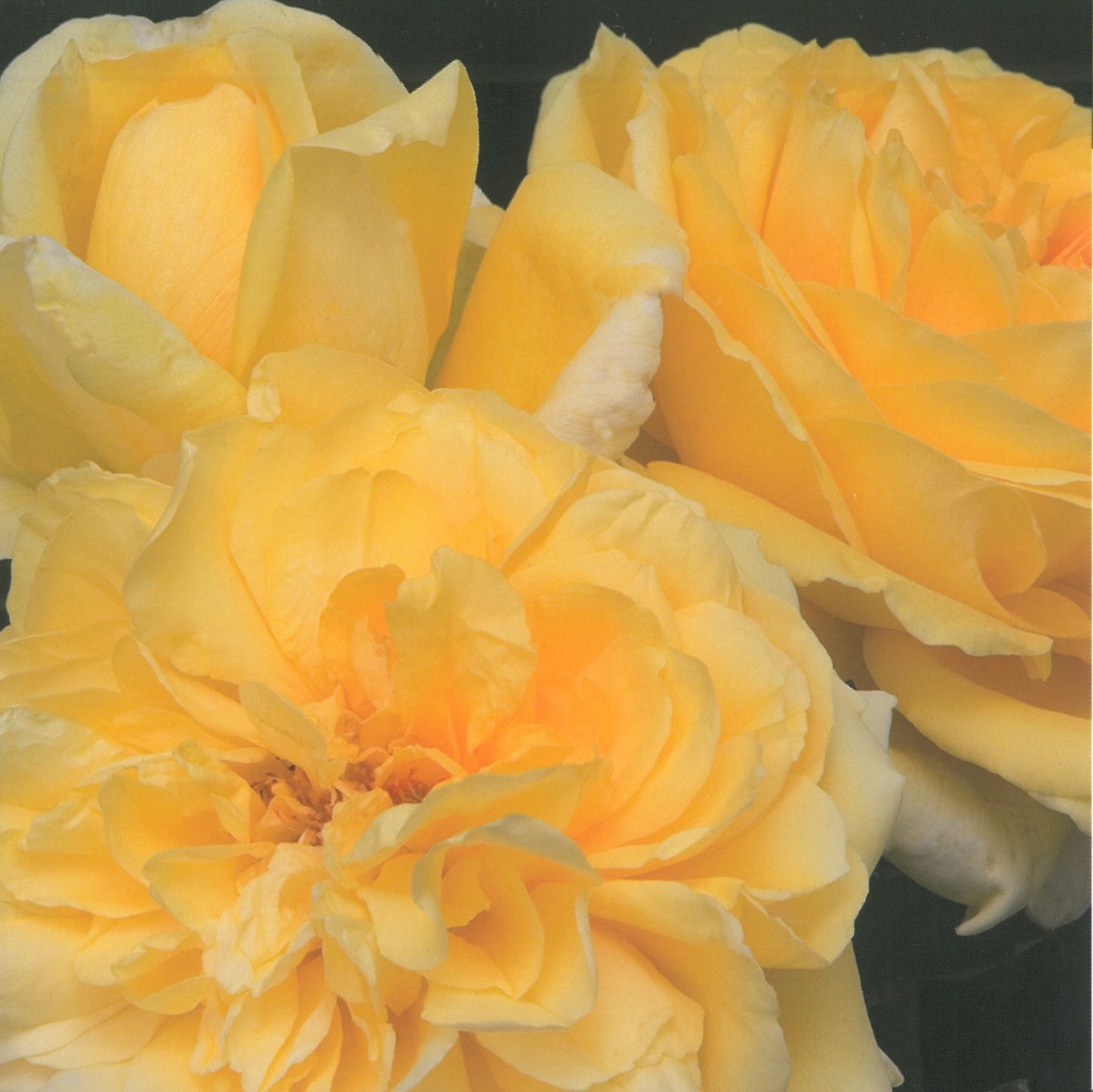
To celebrate Women’s History month, let’s take a look at some lovely roses named after inspiring women.

Select Summer Flowering Bulbs Now

Splashes of bright color can brighten your summer gardens by planting summer blooming bulbs as the weather warms. Make your selections now! You can guarantee yourself a glorious summer filled with many cut flower bouquets.

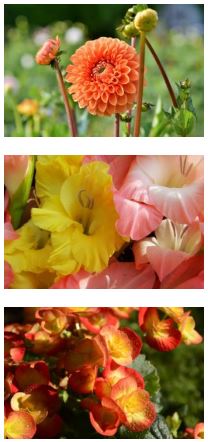
Some of the summer blooming favorites include Gladiolus, Dahlias, Lilies and Tuberous Begonias. Their bright and dramatic colors make great garden accents for the long, hot summer days.

If you plant the Gladiolus every two weeks, you will have cut flowers through the summer. Dahlias are available in different heights and flower forms. Dahlia tubers get bigger every year and provide a larger and more colorful show.

If you have a shady spot in the garden that needs cheering up consider using hybrid Begonias. Tuberous Begonias are available in hanging basket and upright varieties.

Tips for Pruning Roses

obj6306geo2742pg239p7[1]The suggested time for pruning roses is January in Northern California. Even though your roses may still be leafy, budded or blooming it is time to force them to rest. Pruning them back now, removing every single leaf and dormant spraying with copper will provide a healthy beginning for the coming season.

Here are some tips in advance of our pruning classes.

What You’ll Need:

  • Body armor – safety or prescription glasses, a hat, and a long-sleeved sweatshirt will go a long way insulating you from thorny branches. A good pair of leather gloves such as gauntlet types will do a superior job of protecting your forearms
  • Pruning shears – sharp hand shears along with a long-handled lopper and a pruning saw are helpful for hard to reach or extra large wood
  • Pruning seal – sealing cuts prevents the cane borer insect from invading and killing stems
  • Copper dormant spray like Monterey Liqui-Cop to control over-wintering diseases

For specific variety and form (bush, miniature, tree & shrub) pruning tips, come in and one our rose experts will be happy to help. In the meantime here are some pruning basics. For the most part, roses produce flowers on current season growth. Therefore, the more new growth you have, the more bloom potential you’ll enjoy. Pruning is one way of stimulating new growth.

If your bush form roses have grown sky high lop off the top one-quarter to one-third of the plant so you can more easily and safely do the ‘fine pruning.’ For bush and tree forms you always want to maintain evenly spaced canes (stems) around the outside of the plant. The number of canes that you leave depends on the vigor of the plant. Three to seven is the rule in the case of bush roses. Tree roses rarely sprout new ones as they age so encourage and maintain those well-spaced branches. The final height of the stems depends on the variety and vigor of the plant.

We have gotten away from pruning roses to within an inch of their life (6-12 inches). The general rule is to prune back by at least 1/3rd, and no more than 1/2. Leaving the canes a bit longer provides the plant with extra energy for the coming season’s performance. Prune to an outside bud where a leaf was to ensure that the next branch will grow in an outward direction. On both tree and bush roses remove all twigs and stems that are crowding the center of the plant. The extra sunlight will warm the bud union and encourage more young stems to grow that will eventually be selected to replace the older canes. The light also stimulates increased flower production.

The bud union is the area where desirable buds from the specific rose variety join the rose rootstock .

Always remove any stems coming from below the bud union. These suckers are vigorous and can over-grow the desirable rose. If your white or pink rose is producing small red flowers, it has been taken over by the rootstock rose.

Maintain a nice compliment of permanent climbing rose canes that you will arch against the fence, wall or train over an arbor. The stems that grow off these permanent canes are pruned back to four buds. The resulting new growth will produce a mass of flowers. There are always exceptions to the rule so touch base with our rose experts for just the right pruning guidance.

obj6307geo2743pg239p7[1]

Landscaping with Roses

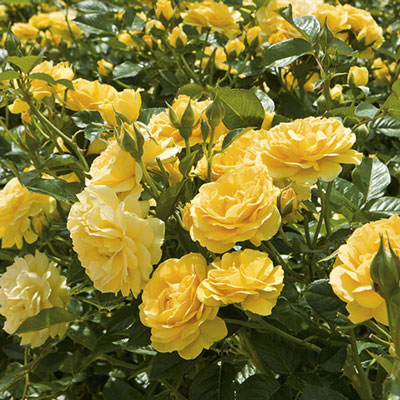
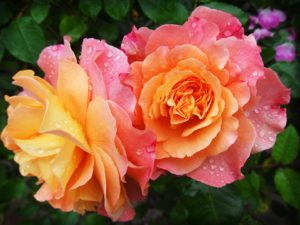
Roses are perhaps the most popular ways to add vibrant color to your landscape. If you don’t love them already, give them a try! Roses are available in a myriad of colors and styles; some suited for cutting, others suited for landscaping, some are climbers, others low and rambling. Roses add beauty, fragrance, curb appeal and color, and they attract beneficial pollinators to the landscape.

Most roses will bloom the first year and grow under many different climatic and soil conditions. However, when given optimum conditions, roses will thrive for years to come.

Don’t be afraid to experiment using roses in your landscape. Some uses might include:

  • low growing types for planting along beds or lawn,
  • a pathway leading to your front door,
  • mass plantings of floribundas, miniatures or even hybrid teas for a magnificent blast of color and beauty,
  • hybrid tea roses to create a beautiful and colorful cutting garden to fill your vases with all season long,
  • a climbing variety to grow up a trellis or over an arbor,
  • tree types, making a great backdrop and companion plant to other shrubs and perennials in your garden,
  • and roses which thrive in containers on a porch or deck.

Whichever you choose, all lend themselves to a very casual or formal looking landscape. Oh, my! So many options! Next time you are wondering what can I plant, consider using roses. We’re ready to help you select one, two or even three that will suit your style. You’ll be glad you did!

See our 2025 rose list HERE.

Why Not Plant Fruit Trees in Your Front Yard?

Have fun with fruit trees in your front or back yard. You don’t need acres of ground to experience the taste of freshly picked fruit. With today’s dwarf & semi-dwarf rootstocks, everyone can grow at least one fruit tree no matter how small your yard. Consider planting a fruit tree or two in your front yard.
We still have a good stock of many varieties available, and Fall is a wonderful time to plant a tree.

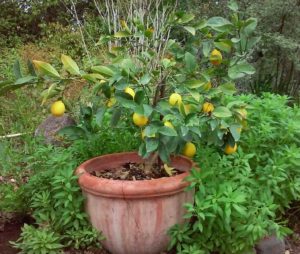
Single fruit trees make wonderful accent points in a mixed border with their spring blossom and summer fruit. Persimmons make wonderful, small shade trees. Dwarf fruit trees grow very happily in large pots or half barrels.

Bougainvilleas


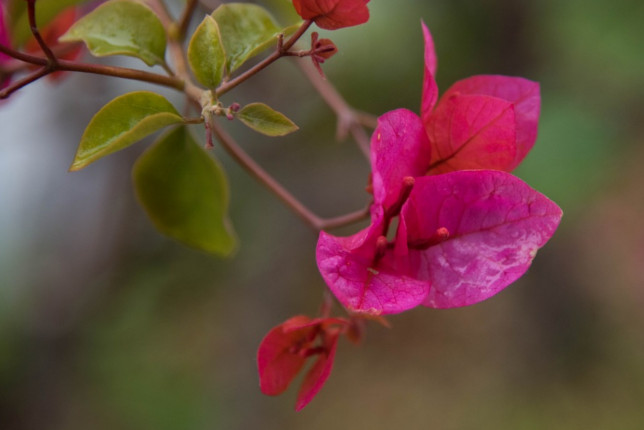
We have started to get in Bougainvilleas which can be a stunning addition to a frost protected area. Many varieties are available in bloom at the nursery now – you can choose the perfect color for your arbor, trellis or groundcover. Bougainvilleas vibrant colors come from the three large bracts that surround the small inconspicuous flower. Frequent pinching keeps new growth so compact the color will almost cover the leaves. 

Bougainvilleas can color up an arbor or trellis, or function as a rambling ground cover. They are typically in full bloom through summer. Plant them where you can protect them from frost. A spot against a south-facing wall is often ideal, where the eves provide overhead cover.

Location

In our area, protect bougainvilleas from frost by planting them against a warm south or west-facing wall. Tenting with frost protection fabric and decorating with older non-LED Christmas tree lights on cold nights adds extra protection. It is a vigorous grower and will bloom continuously all summer long and is very drought tolerant once established.

Planting

Take care not to disturb the roots when planting. Carefully remove from the nursery pot and gently set in place. Do not massage the roots. Their roots don’t form a tight ball and can be damaged if you remove them from the can in the usual fashion.