Tips for Success
- Avoid planting on excessively hot days (over 95 degrees).
- Plant the same day or the next day after purchase.
- Water plants in their nursery containers when you get home and immediately before planting.
- Pre-moisten the planting hole and water thoroughly after planting.
- Keep plants evenly-moist. You might have to water 2-3 times a day if they are small.
- Don’t rely on automatic irrigation for the first week or in excessive heat; check plants daily and water if needed.
- For added protection, spray Wilt Stop on leaves to reduce water loss (don’t spray plants with hairy leaves).
Planting during our warm summer months requires a few simple safeguards to ensure a successful transplanting and fresh, vigorous growth in your plant’s new home.
Check your plants daily during the first 8-12 week establishment period, even more often when it’s hot. Water plants preferably before they show a need.
If you have a sprinkler system, do not depend on the sprinklers to provide adequate water for recent transplants.(Water from a sprinkler may not penetrate the entire root zone and the plants will slowly decline.)Supplement with a hose instead.
SHRUBS AND TREES
Follow our planting guidelines for digging the planting hole. Pre-moisten this hole with water and thoroughly water the plant itself. For best results, use both Master Nursery Vitamin B-1 and most important, E-Z Wet. After all water has drained from the hole, rough up its surface and continue to follow our planting instruction guide.
When you have completed filling the soil mixture around the plant, build a small, circular dam around the plant, large enough to hold 1 to 5 gallons of water, (Depending on plant size.) Water slowly but thoroughly by trickle-flooding within the dam.
Remember, all of our plants are guaranteed to grow. Please follow Alden Lane Nursery’s guidelines for continued success in your garden and call us the first moment you are concerned.
BEDDING PLANTS AND GROUND COVERS
These starter plants have very small root systems and require extra moisture to get established. During the warm season, special attention will ensure success. You may need to water 2-3+ times per day to provide adequate moisture. If you can’t plant the day you bring your plants home, place them in a sheltered location and keep them well watered. This may require several waterings a day to keep them alive. Plant them ASAP, within 2 days at the most.
HANGING BASKETS
Plants in hanging containers are more exposed to the elements. You may need to check your plants 2-3 times per day. On especially hot days you might consider taking them down and setting them in a cooler, more protected spot.
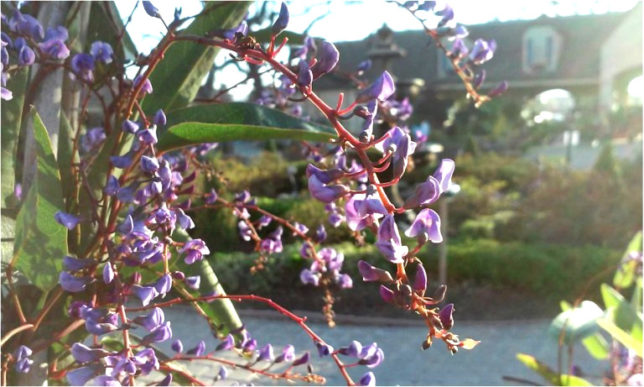
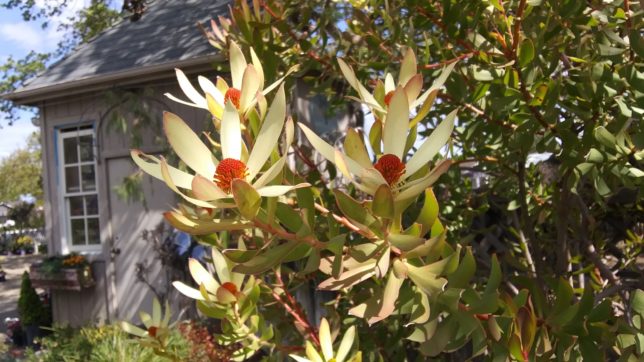
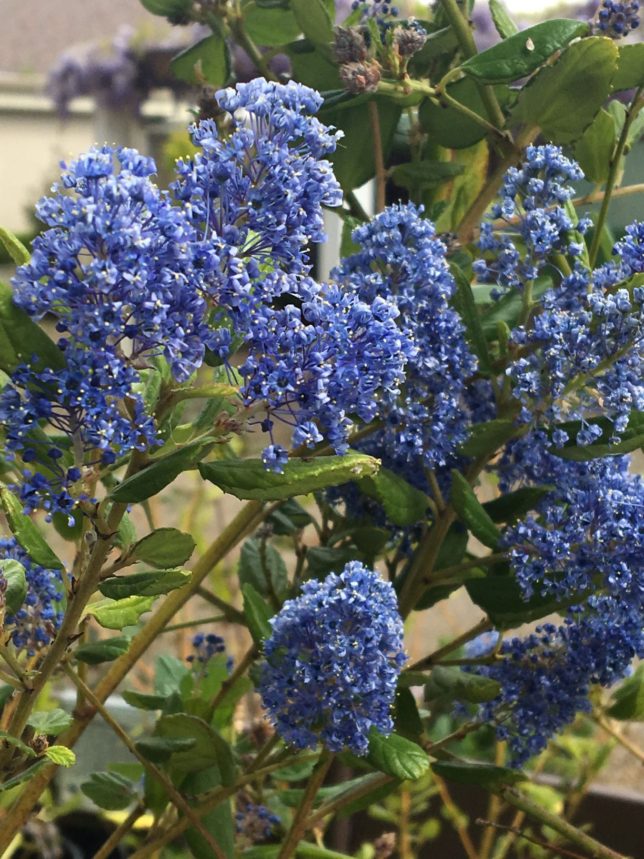
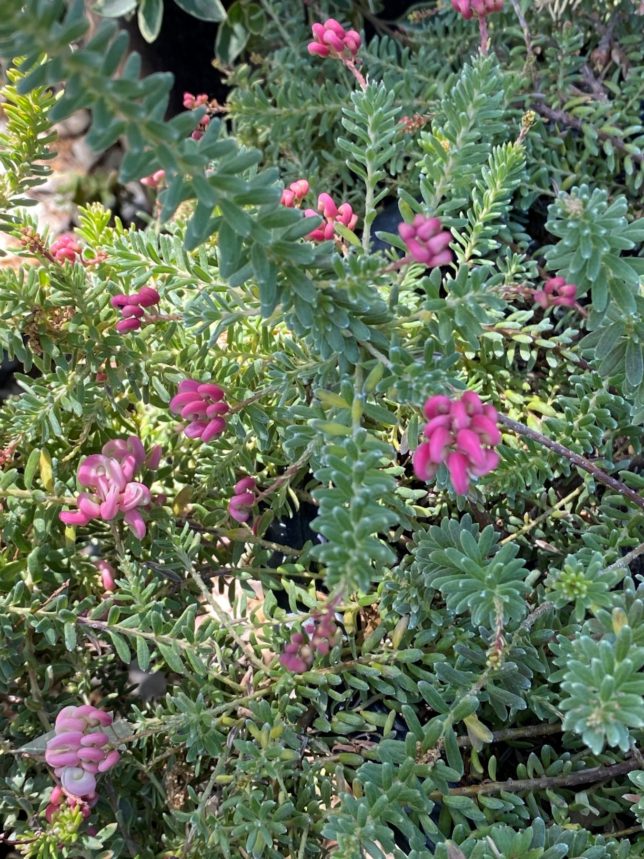
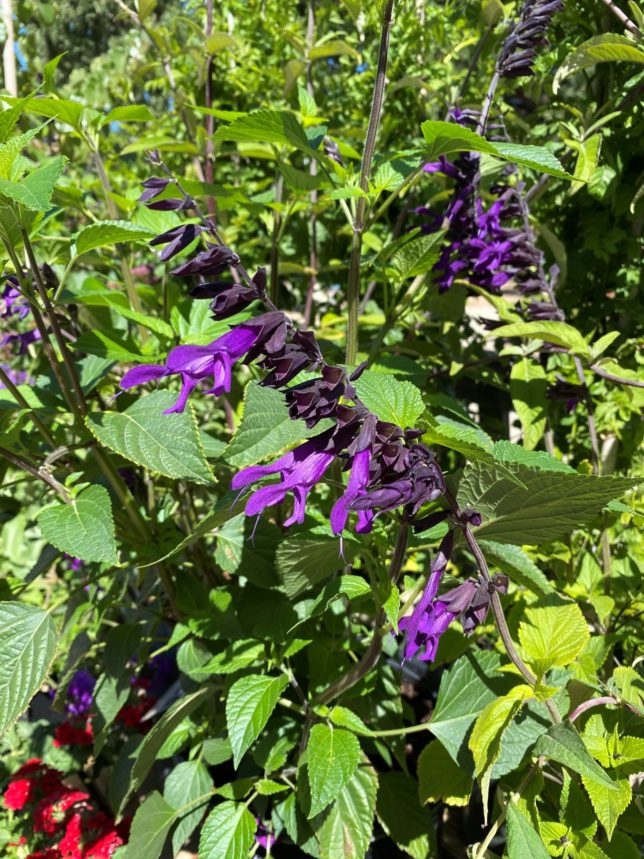
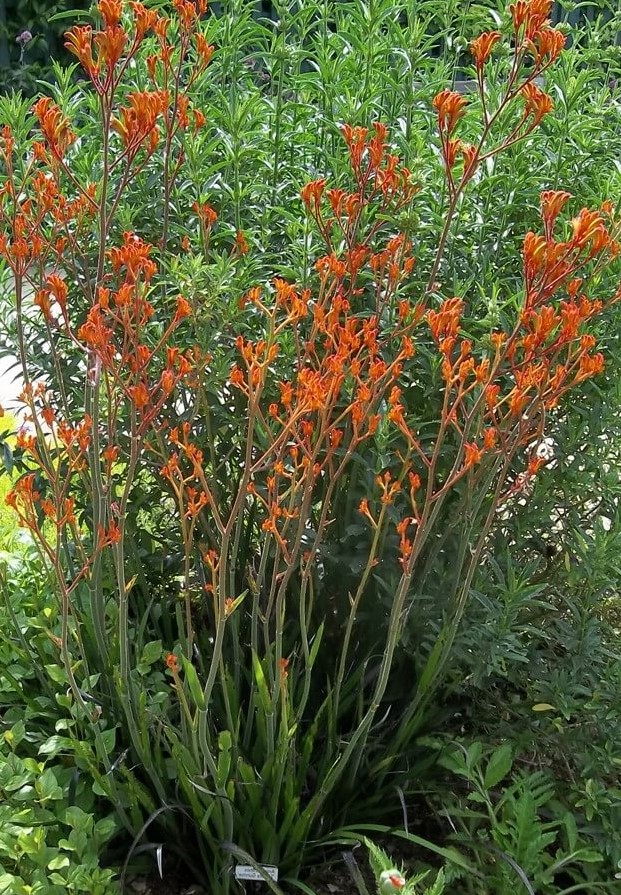
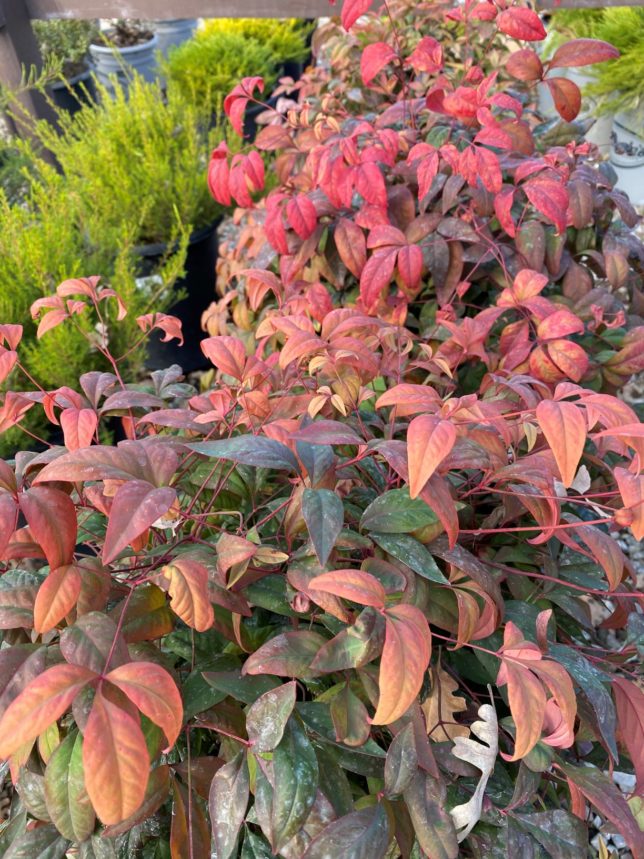
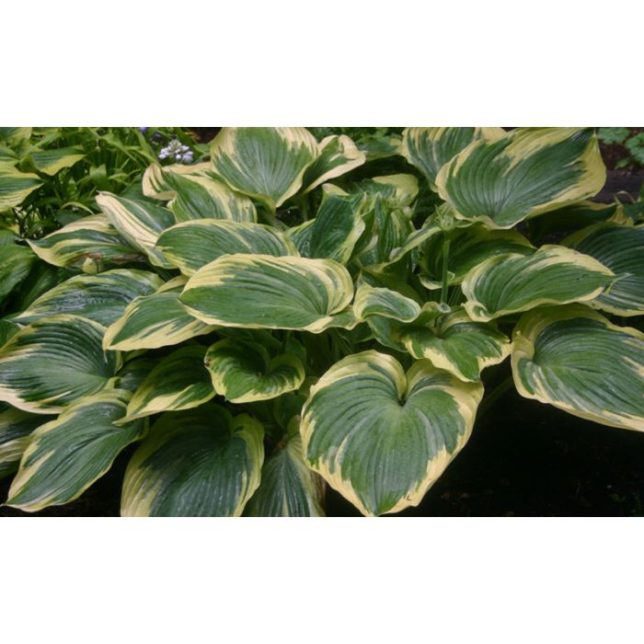
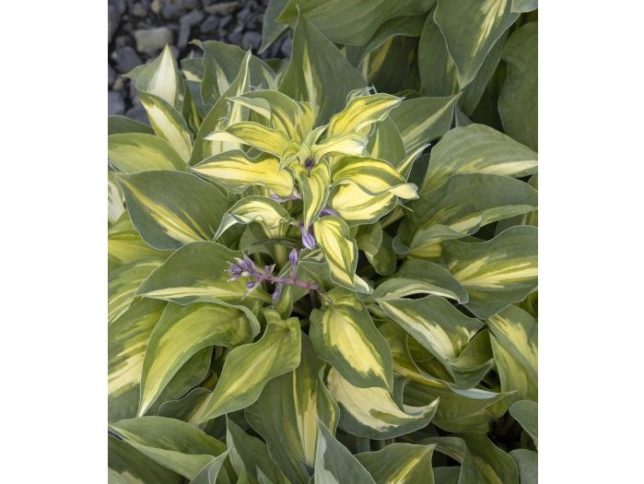
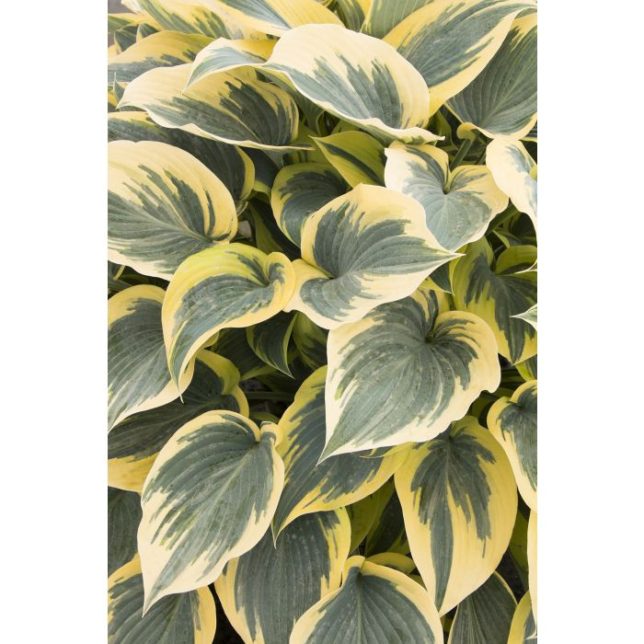
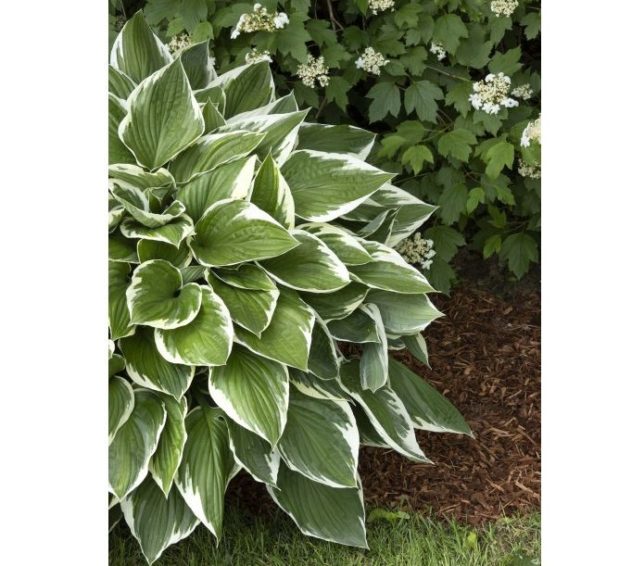
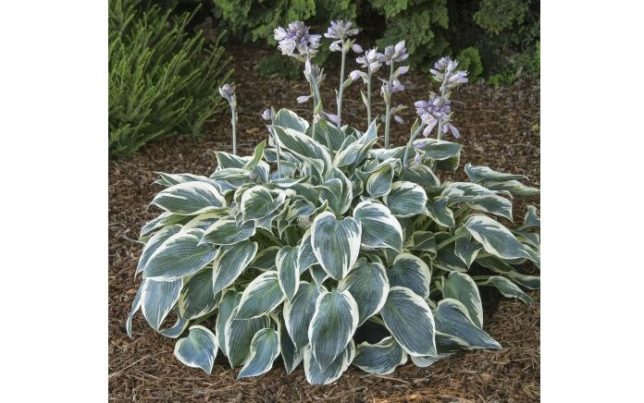
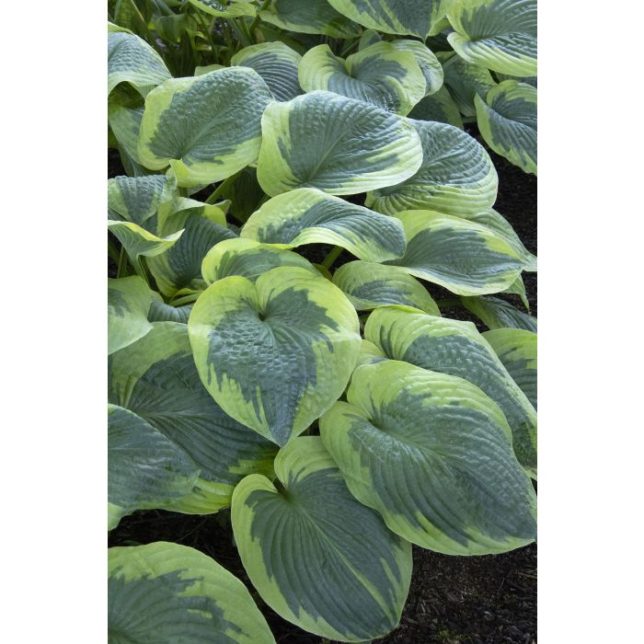
 Garden Historian and writer Mac Griswold’s quote is a favorite at Alden Lane, and as we roll into 2021 it got us reflecting on time as an element of garden design. With Nature being the major component of our design palette, change is constant. From a mindset of embracing this change and evolution in our landscapes, we can watch first-hand how plants grow to full size and, yes, sometimes die. Watch as over the course of a year wind ripples through the foliage; sun angles highlight fall leaves and grass plumes; blazing summer sun sends us into the shade; all manner of wildlife finds a reason to show up; rain pops California poppies out of the ground; frost blankets everything with shimmering crystals. That knee-high Camellia you planted a while back – it’s now 8′ tall and its blooms are in their full glory.
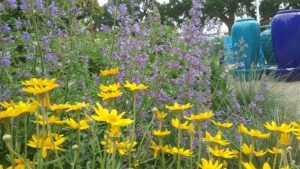 o Plant for wildlife. Think about multiple layers of foliage for shelter and a fountain or birdbath for a water source. A year-round succession of blooming plants will produce the nectar and pollen “garden buffets” for our pollinator friends the bees, butterflies and hummingbirds.