Invasion of the Earwigs!

So many of our customers are coming in right now reporting that they are finding overnight destruction of many of the leaves in their garden. The leaves are filled with holes. This is especially prevalent in the vegetable garden. The culprit is likely earwigs!
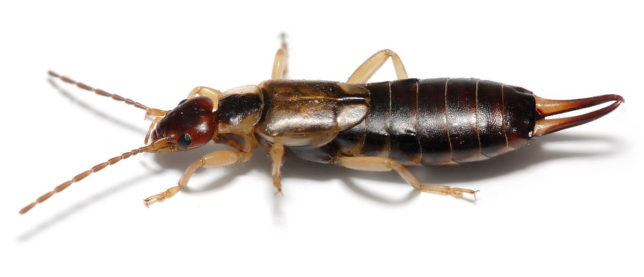
Earwigs are mostly nocturnal and find moist, dark hiding spots during the day. When they come out at night, and feed on a wide variety of plants including foliage, flowers and various crops.

How do you rid your garden of these nefarious pests? We have several products we recommend and a few home remedies to try:

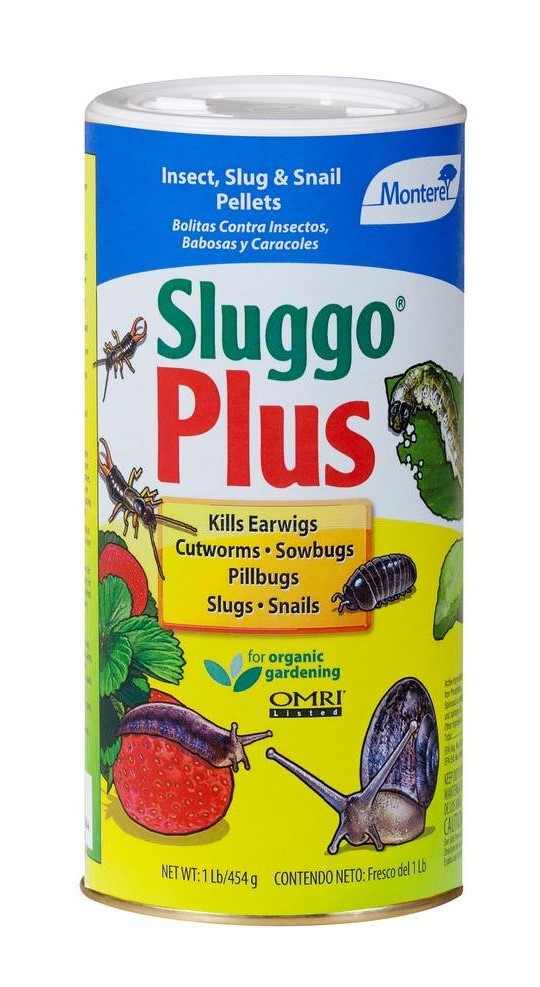
The first product we reach for is Sluggo Plus. Sluggo Plus helps gardeners control some of the most infamous garden pests. It combines proven slug and snail control with the addition of organic Spinosad which is an insect killer to control not only earwigs, but cutworms, sowbugs and pillbugs as well. Sluggo Plus can be used around all organic vegetables, fruits and berries.

Make 3 lines of defense – Sprinkle immediately around the effected plant, around the bed where they are growing and then hand cast some Sluggo Plus under nearby low-growing shrubbery where they hang out during the day.
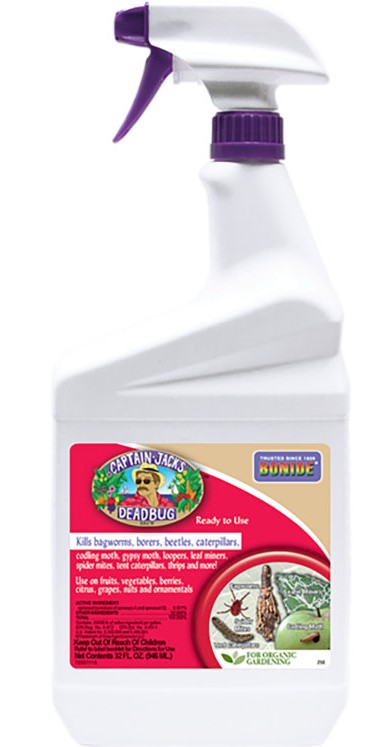
All organic Captain Jacks Deadbug Brew® kills does just as the name implies. It kills earwigs, bagworms, borers, beetles, caterpillars, codling moth, gypsy moth, loopers, leaf miners, spider mites, tent caterpillars, thrips and more! Again, the active ingredient is Spinosad which is a product first isolated from a naturally occurring soil dwelling bacterium.

For home remedies, you can try a few different options. Take an empty tuna or cat food can (or maybe a metal pie dish), sink it into the ground near the most affected plants and pour in a little soy sauce (which attracts them) and cooking oil (which traps them). Alternately, you can fill the can/dish with a thin layer of beer and see who you can catch.


Father’s Day Pie Pre-Orders

Monday, June 15th is the last day to order by 3:00 pm!

We are bringing in The Pie Company Pies!

ORDER by 3:00 pm Monday, June 15th for pickup Saturday, June 20th or Sunday, June 21st.

Your choice of ready-to-serve Apricot, Caramel Apple (Crumb Topping), Dutch Apple (Crumb Topping), Mixed Berry, Peach Cobbler (Crumb Topping) or Strawberry Rhubarb.

These 10″ pies are available fresh (ready-to-serve) by pre-order only. The cost is $18.95 per pie.

All pie orders must be placed by Monday, June 15th at 3:00 p.m. 

These pies will be available by pre-paid orders only. 

Call 925 447-0280 or order online here. 

Last name then first _
Phone Number_
Pie Selection – Ready to serve_


Style Your Garden with Garden Accessories

A well-decorated garden sparkles with interest and becomes more inviting when architectural accents and interesting decorations are included. Furnish your outdoor living space just as you would the inside of your home. Add personal touches to enhance its beauty, make a personal statement or add a point of interest. Garden fountains and statuary date back to ancient Egyptian, Greek & Roman civilizations. Gazing globes and wind chimes were popular during Victorian times.

Keep in mind these 4 style rules when decorating your garden:

  • Proportion – Keep the decorations in scale with the size of your garden.
  • Unity – Select a style – formal, natural, cottage or contemporary.
  • Placement – Choose locations that will accent your garden or draw interest to a specific area.
  • Creativity – Have fun and let your imagination run wild!

Here is a look at what is new and not-so-new to embellish your landscape and garden.

Garden Statuary – Wide range of styles and colors to choose from. Select whimsical or realistic figures, froliking children, religious figures or angels.

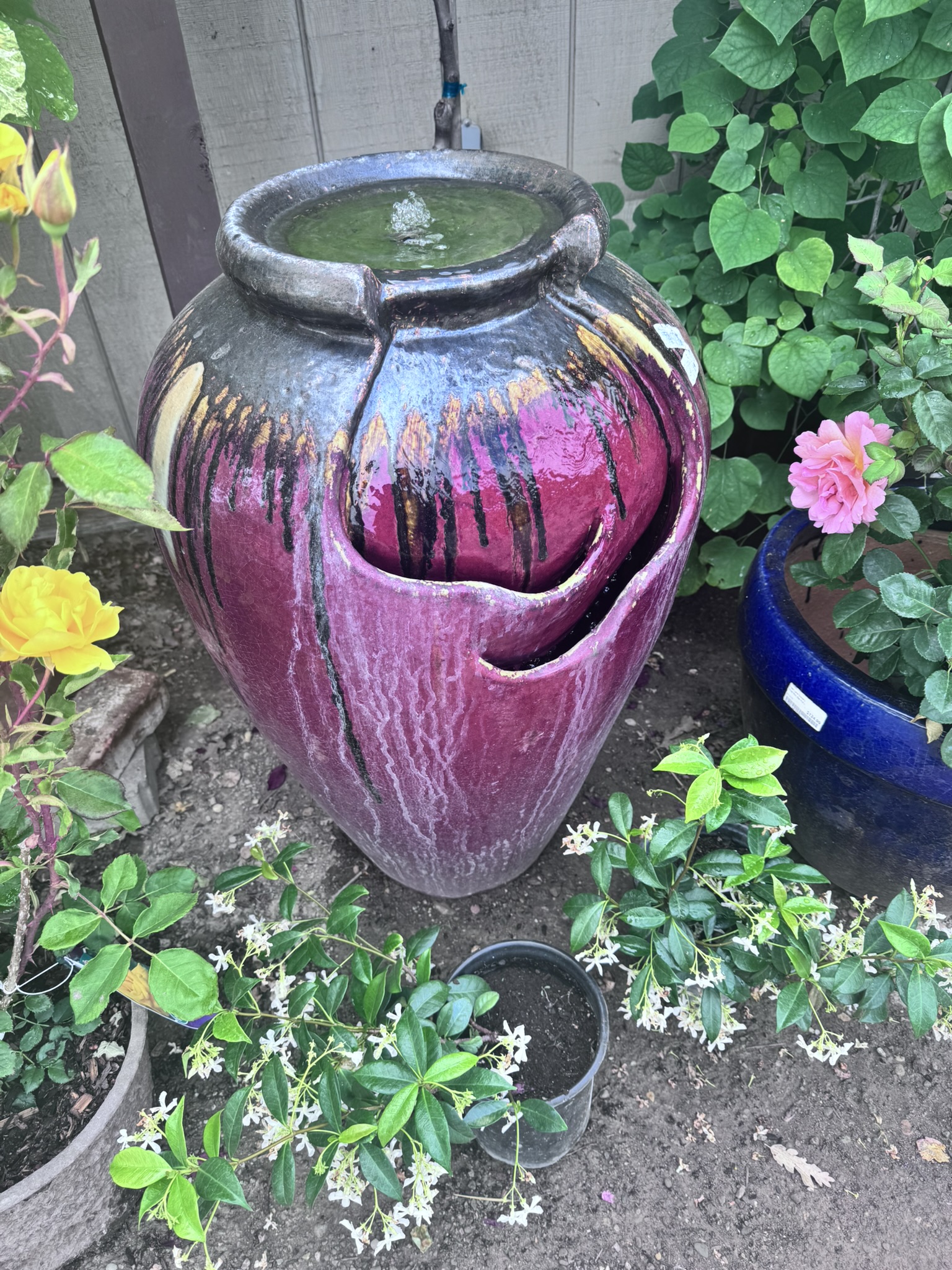
Fountains – Add the soothing sound of water to your garden and create a focal point at the same time.

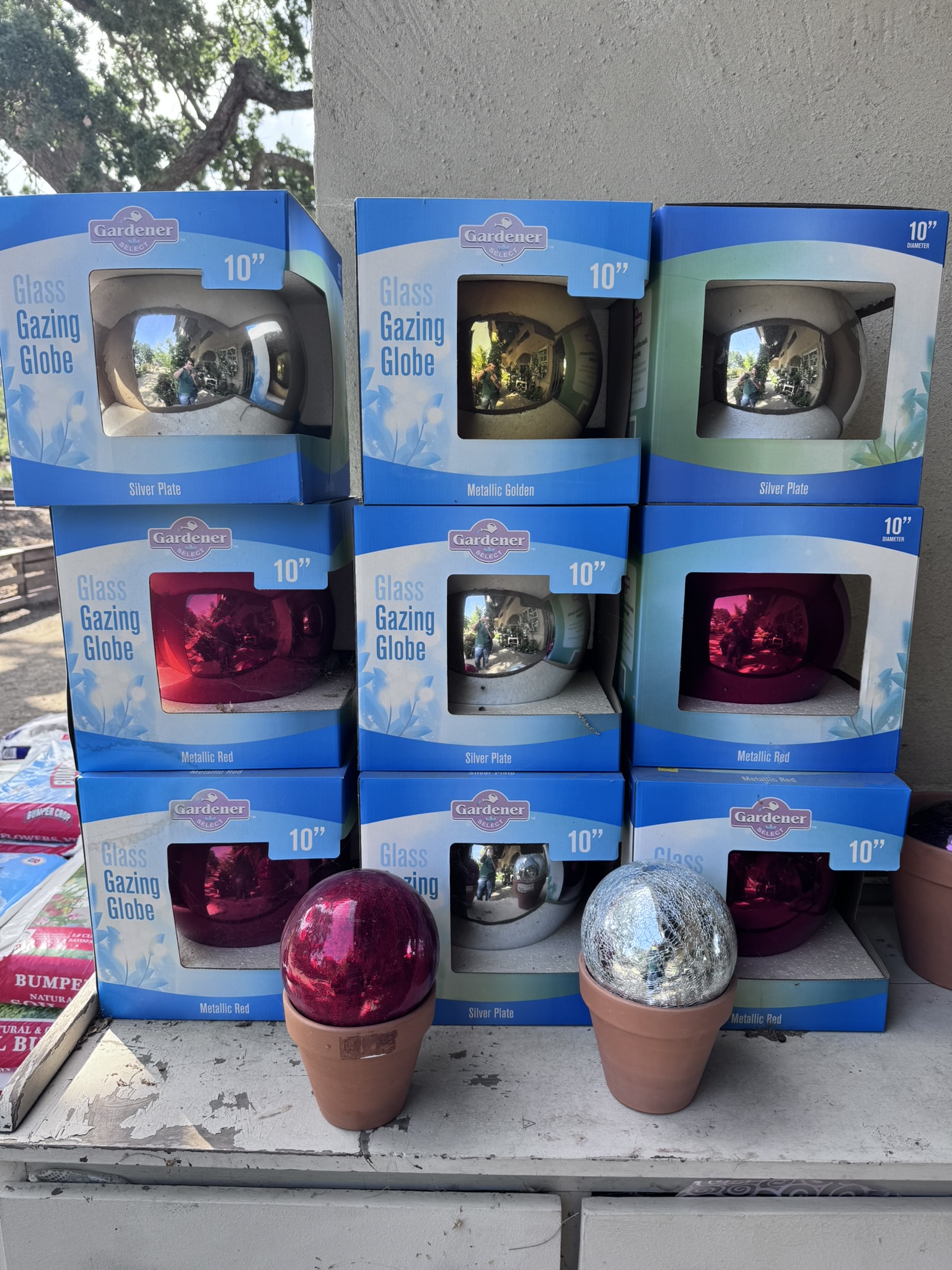
Gazing Globes – Place them in a sunny area for a dazzling effect or in a shady spot for a mysterious aura.

Lighting – Extends the time you can enjoy your garden.

Colorful Pots – Another quick way to add color is to find the right color pots. Pots can also be used to add a plant to an area or to raise the height of plants. An arrangement of several plants with varying colors and textures can be a nice way to soften up an area of your garden.

Structures – Trellises, arbors and pavilions can be used to create separate garden rooms and privacy. Choose the classic look of wrought iron, a natural setting with cedar or easy care with long-lasting vinyl. Add a birdbath to give our feathered friends a place to visit. Consider statuary, obelisks or statuary for interest.

Wind Chimes – Make a wonderful gift for yourself or someone else. Many delightful tones to choose from.

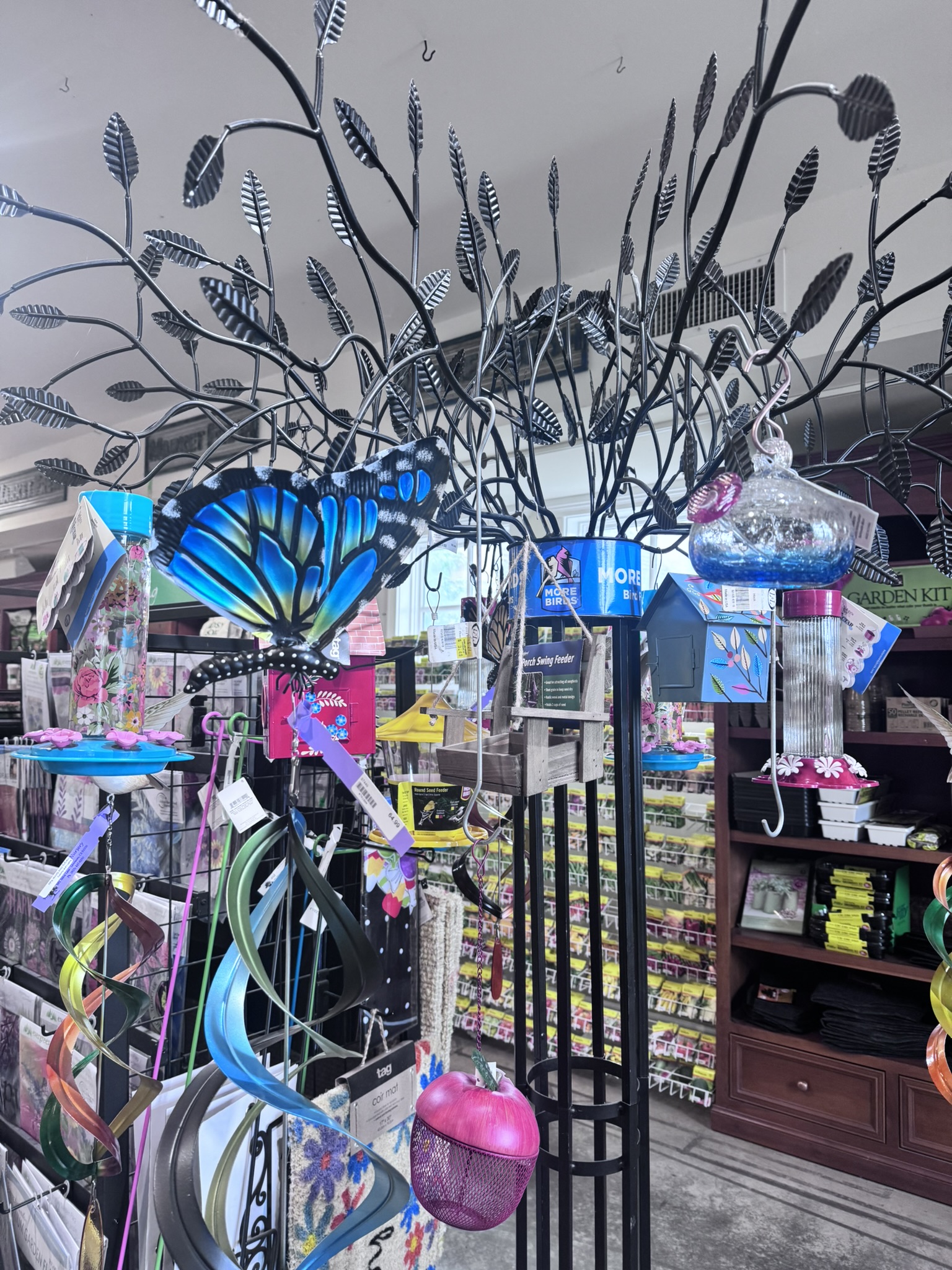
Bird Feeders – Encourage even more friends into your yard and add a decorative touch.
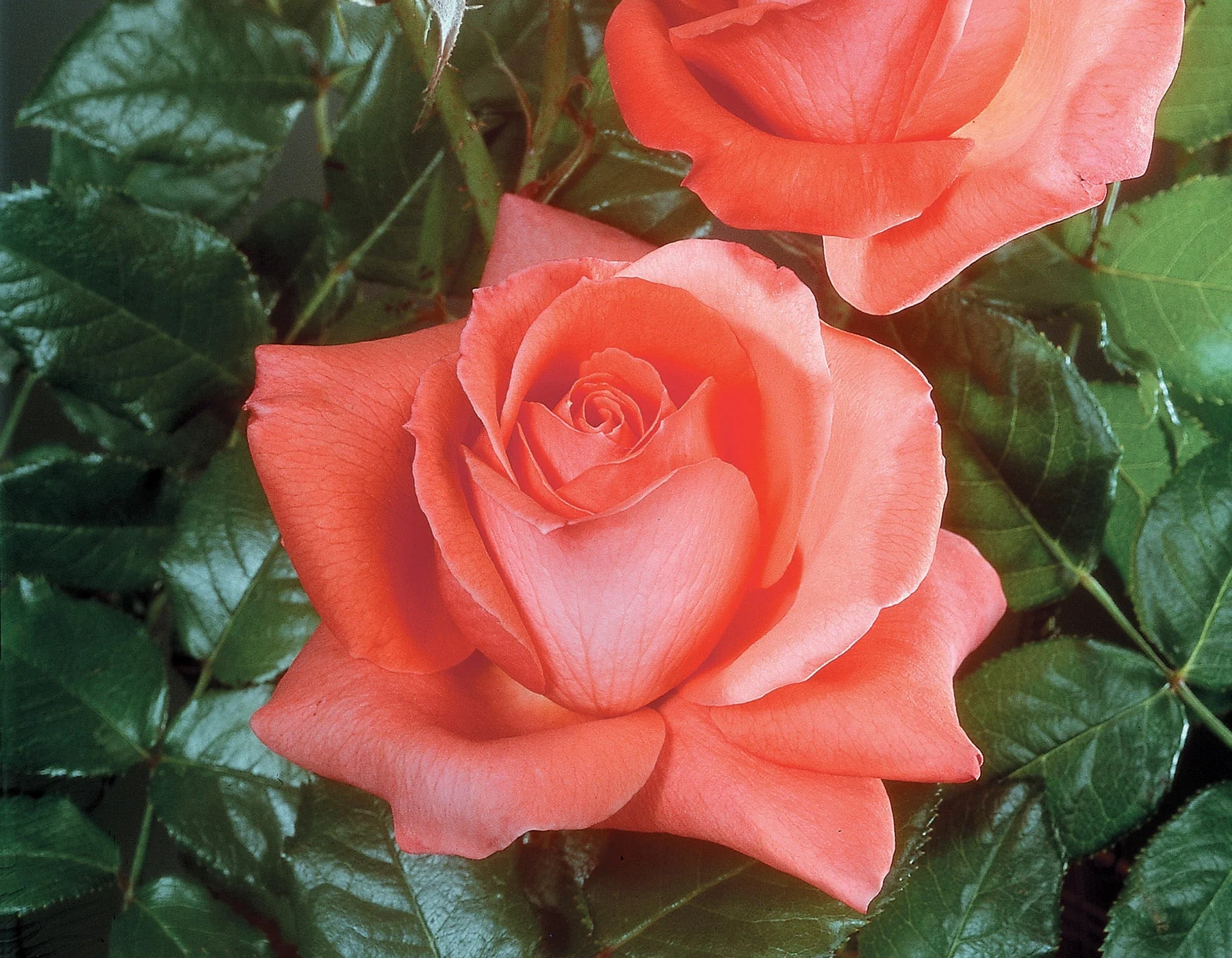
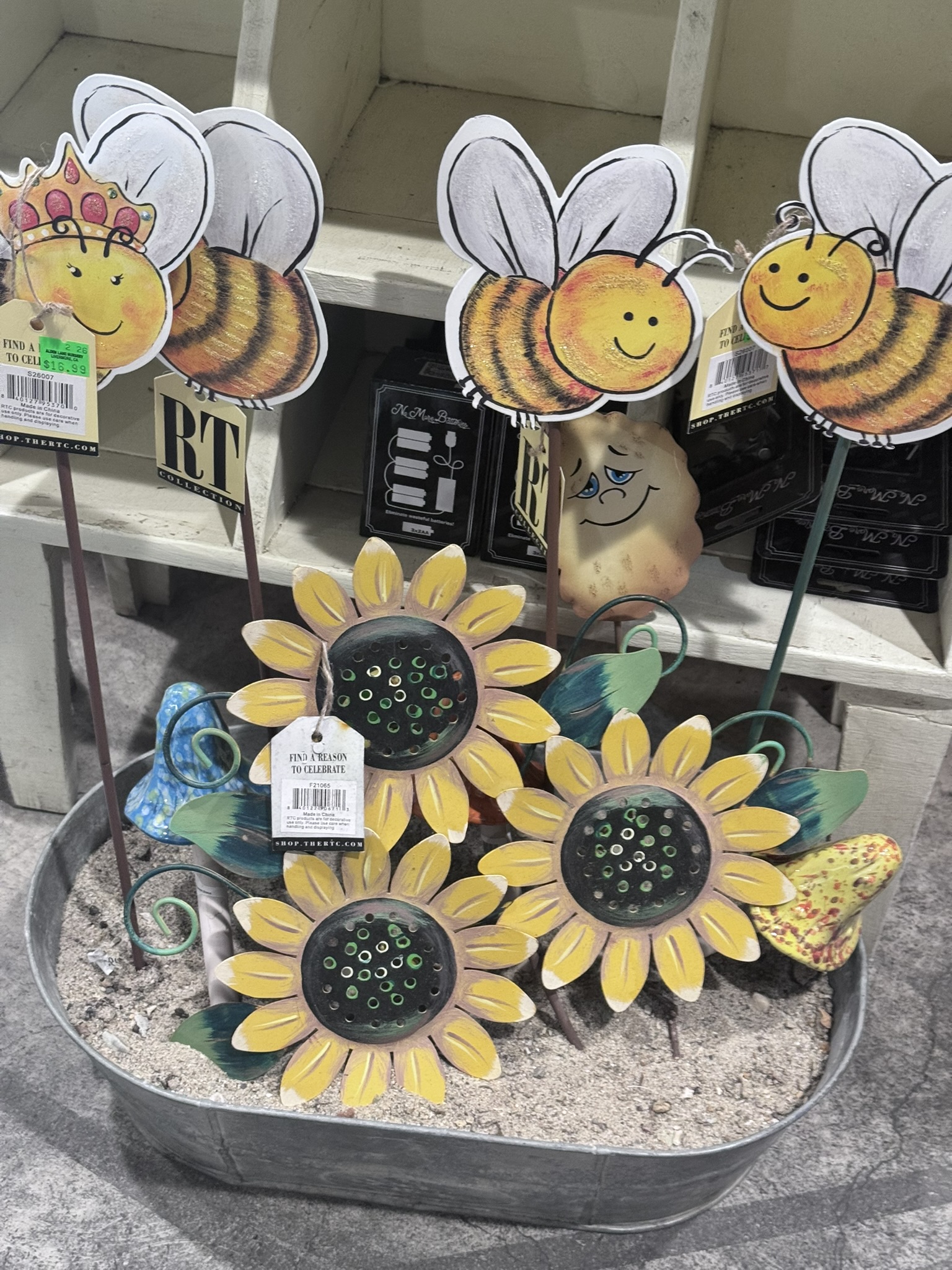
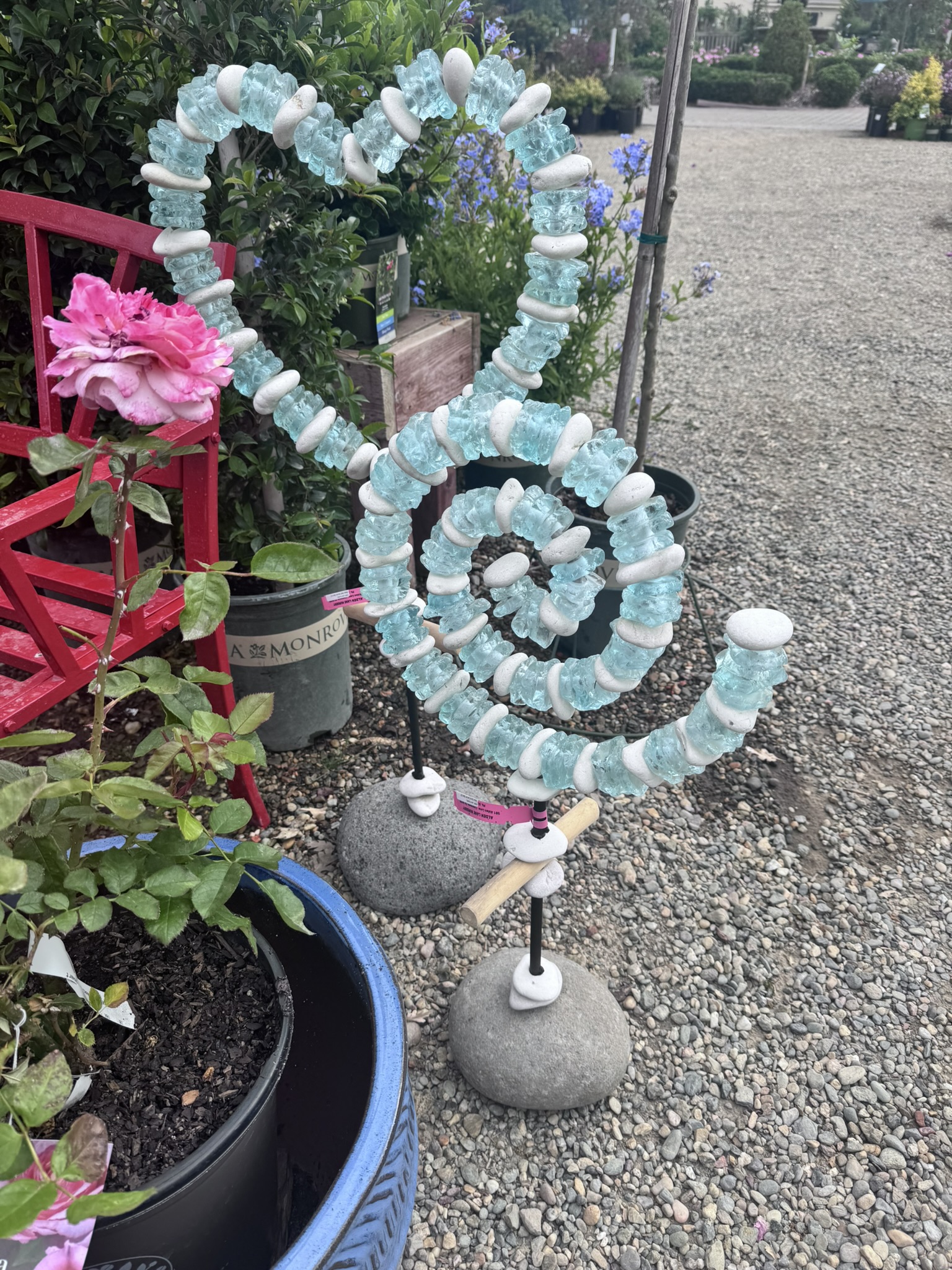
Garden Art – We have distinctive items to add to your garden spaces both for walls and free standing. Our seaglass art is a customer favorite here at Alden Lane.

Flags – An easy way to add color and make changes seasonally is to add a garden flag. Available in several sizes.

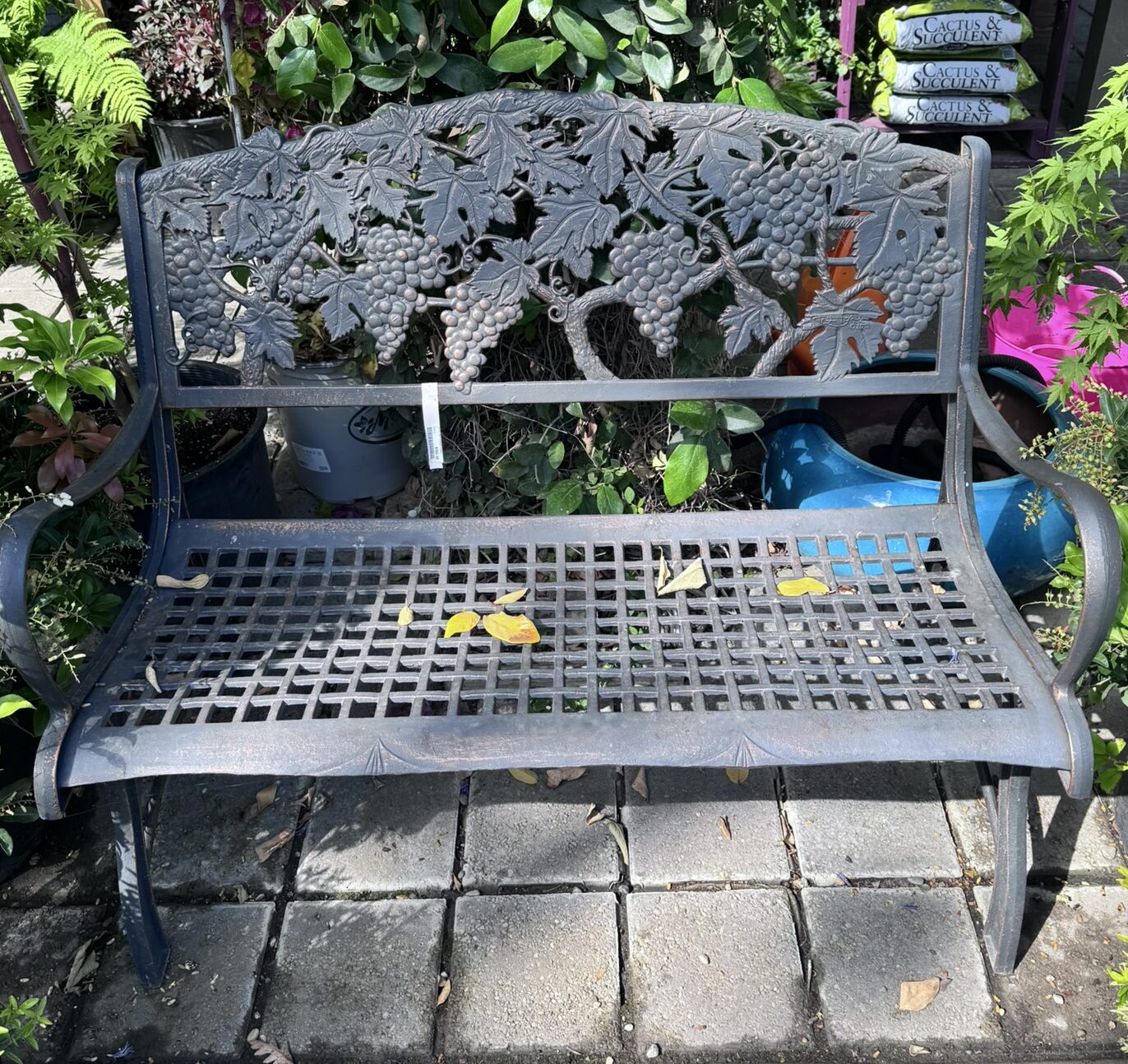
Furniture – Add a bench or an accent table to provide a space for relaxation.

Aphids!

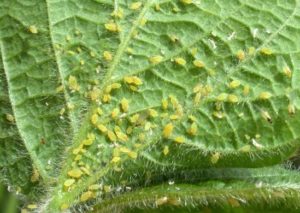
As the weather has warmed, we’ve seen aphids appear. Aphids are little green (although they can be other colors such as black, yellow or grey) insects that suck the juice from new spring leaves. The subsequent scarring can cause the leaves to warp and curl around the aphids, protecting them.

In addition to weakening the plant, aphids drop a messy, sugary residue on items below their work site and they are also prolific in their reproduction, making problems exponentially worse if left unchecked.

The first line of defense with aphids is to hose them off the plants physically with a spray of water. If you have a small infestation, you can wipe them off the leaves. These techniques would need to be repeated daily.

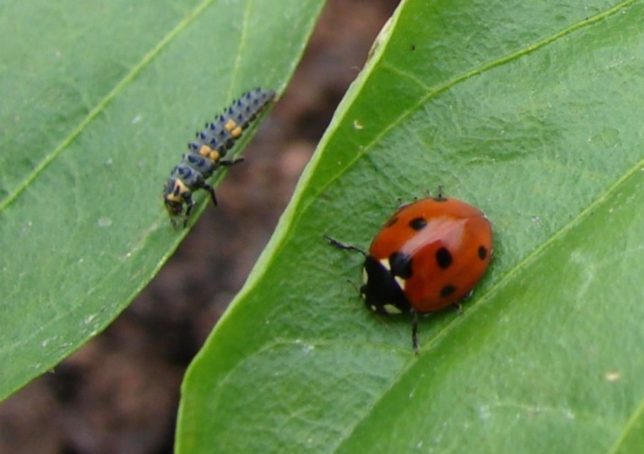
A favorite way to handle these invaders and also very effective are to release lady bugs into your garden. These beneficial insects are a valuable addition to the toolkit of every Valley gardener. Alden Lane Nursery can provide them in useful quantities and advise you on where and how to use them most effectively. Each adult ladybug will consume over 5,000 aphids in their lifetime.

Don’t panic when you see the black “bug” pictured! That is the ladybug larvae.

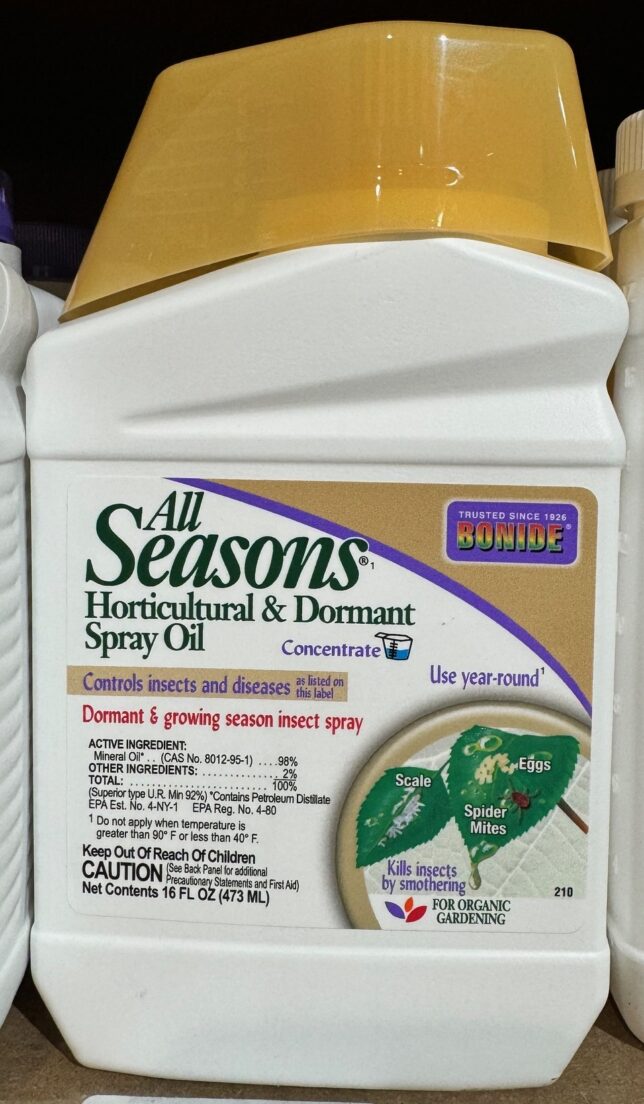
For those wishing another organic or natural method of controlling aphids, we suggest a one-two punch, first with Bonide All Seasons Spray Oil followed up with a fresh release of Ladybugs a day or 2 later.

The spray oil simply sprays on at the end of a hose, no mixing. It smothers pests, rather than poisoning them. The Ladybugs mop up the leftovers and stand guard against local aphid uprisings.

It’s Vegetable Season

It’s Vegetable Season! Alicia in our Bedding department wanted to give you some fun varieties to ponder. You probably already know the old favorites, but have you ever tried….

  • The Italian Rampicante Squash. It’s tender, mild, nutty, and sweet. And just a lot of fun with its pale color the curved neck so long you can wear it as a necklace.

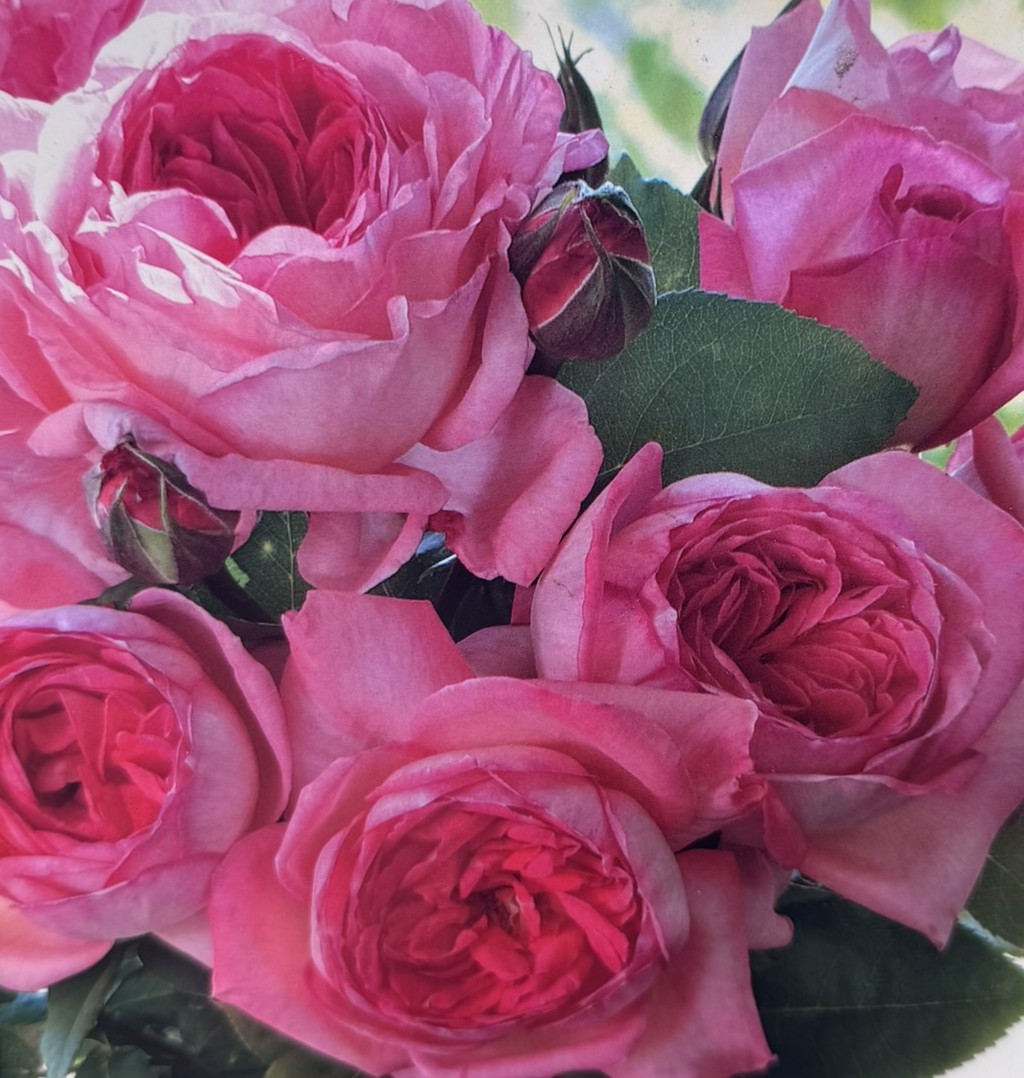
  • Do you have trouble with your cucumbers turning bitter? Try the Armenian Cucumber. It has a long pale green fruit that is reliably not bitter.
  • Consider the Marchant pepper, the iconic pepper of the California Gold Rush. They are a hot pepper, but not too hot, and often pickled although we have used them in salsas and sauces of all descriptions. Also known as the California Italian Wax pepper or Chileno. This pepper is in commercial production, so you have to grow them to have them.
  • Do you love the Golden Ground Cherries (Goldie) that we are just starting to see in the grocery stores? They are actually a variety of tomatillo, and we have them in stock for a limited time. Remember for all tomatillos you need 2 plants (does not need to be the same variety) because they are not self-pollenating.
  • And let’s not forget our tomatoes! Continue the California Connections with San Francisco Fog (a mid-sized red slicer,) Berkeley Tie Die (a multicolor beefsteak,) the Napa Chardonnay (a sweet yellow cherry tomato,) and the Napa Rosé (a pink cherry tomato).

Choosing Tomato Varieties

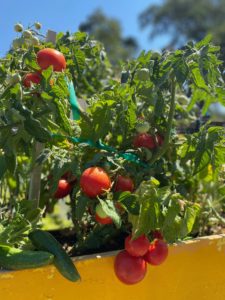
Tomato Season is an exciting time around here. We have a large collection of tomatoes available to purchase and plant for mid to late summer enjoyment. During the course of the season we will have over 100 varieties.

Tomatoes group nicely into types according to growth habit and production.

Determinate types grow in a compact, bush form, requiring little staking. Fruit forms on the ends of the branches; most of the crop ripens at the same time. One or more successive plantings will ensure an extended harvest period. Determinate types are often the choice of those who want a large supply of ripe fruit at once for canning. Great choice for containers. Determinate types include Ace, Celebrity and Italian Roma.

Indeterminate varieties continue to grow and produce fruit all season until the first frost. Tomatoes in all stages of development may be on the plants at one time. The plants set fruit clusters along a vigorously growing vining stem. Under optimum conditions, some can grow over 15′, but in most home gardens they reach about 6′. Some indeterminates have a bush form with stockier vines, which set fruit clusters closer together. Indeterminate types include Beefsteak, most cherry tomatoes, and San Marzano (paste).

Tomatoes can also be also grouped by use (slicing, cooking & cherry) and size.

  • For slicing, use tomatoes that are large and juicy.
  • Cooking (paste/sauce/Roma/plum) tomatoes are drier (concentrated flavor), with fewer seeds, making them ideal for a sauce but also excellent for slicing.
  • Cherry (salad) tomatoes are bite-sized and come in several shapes like oblong, pear-shaped or round.

Houseplant Celebrities

Stars of the Indoor Landscape

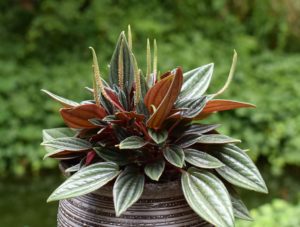
In addition to looking good, these plants can significantly reduce toxins in our indoor air.  The cast includes those that love the spotLIGHT! Fiddle Leaf Figs for true drama, palms for exotic ambiance, and don’t forget the elegant rubber trees in deep burgundy and colorful variegated varieties. The supporting roles that also tend to hog the light are hoya plants, perky peperomia, orchids, and African violets. Air plants also share the limelight and are a bonus for quirky displays of unusual décor.

Those headliners that are our A-List as lower light lovelies include showy peace lilies, the zen-like ZZ plant, the graceful lines of a fresh fern, and don’t forget the dashing and durable dragon tree. One of my all-time favorite divas of the low maintenance houseplant realm are the many varieties of sansevierias (snake plant).

Whatever stage you set in your home or home office, it is not complete without the splash of verdant green or the healing refreshment that plants can bring to your environment. We at Alden Lane can be your guide and make ­choosing the right plants simple and rewarding, creating an all-star cast for your home.

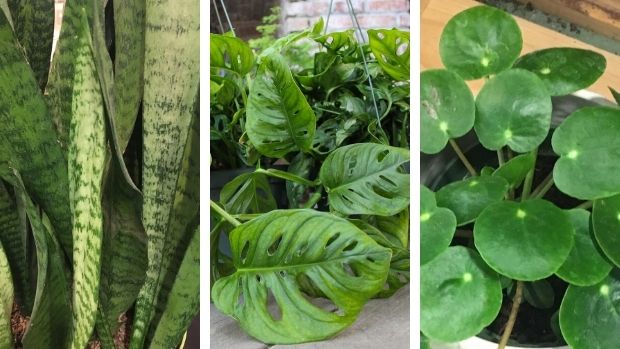
Left to Right – Snake Plant (Sansevieria), Swiss Cheese Plant (Monstera adansonii)
& Money Plant (Pilea peperomioides)

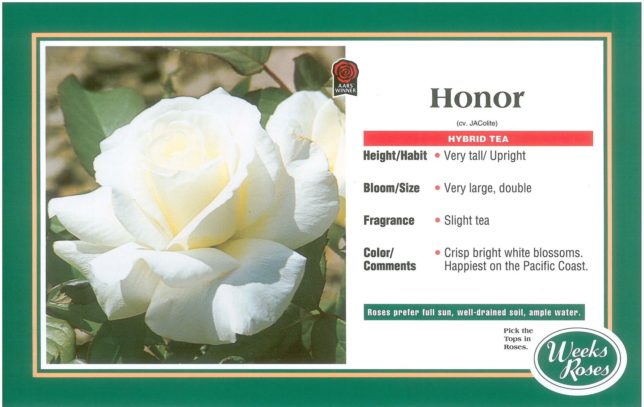
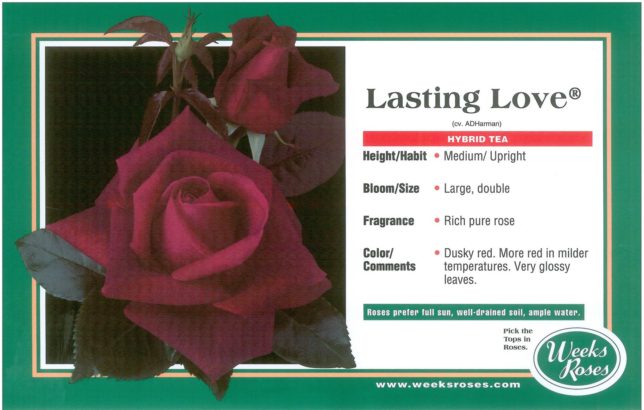
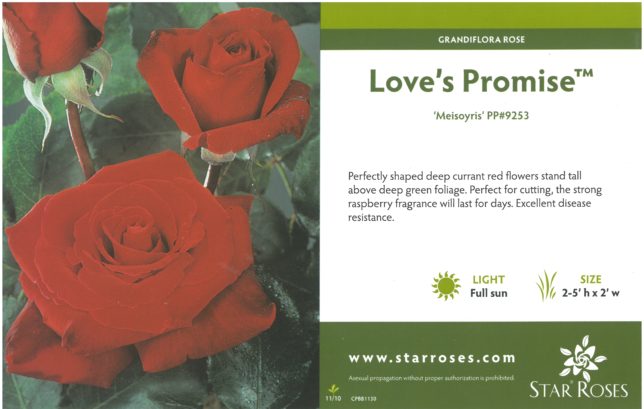
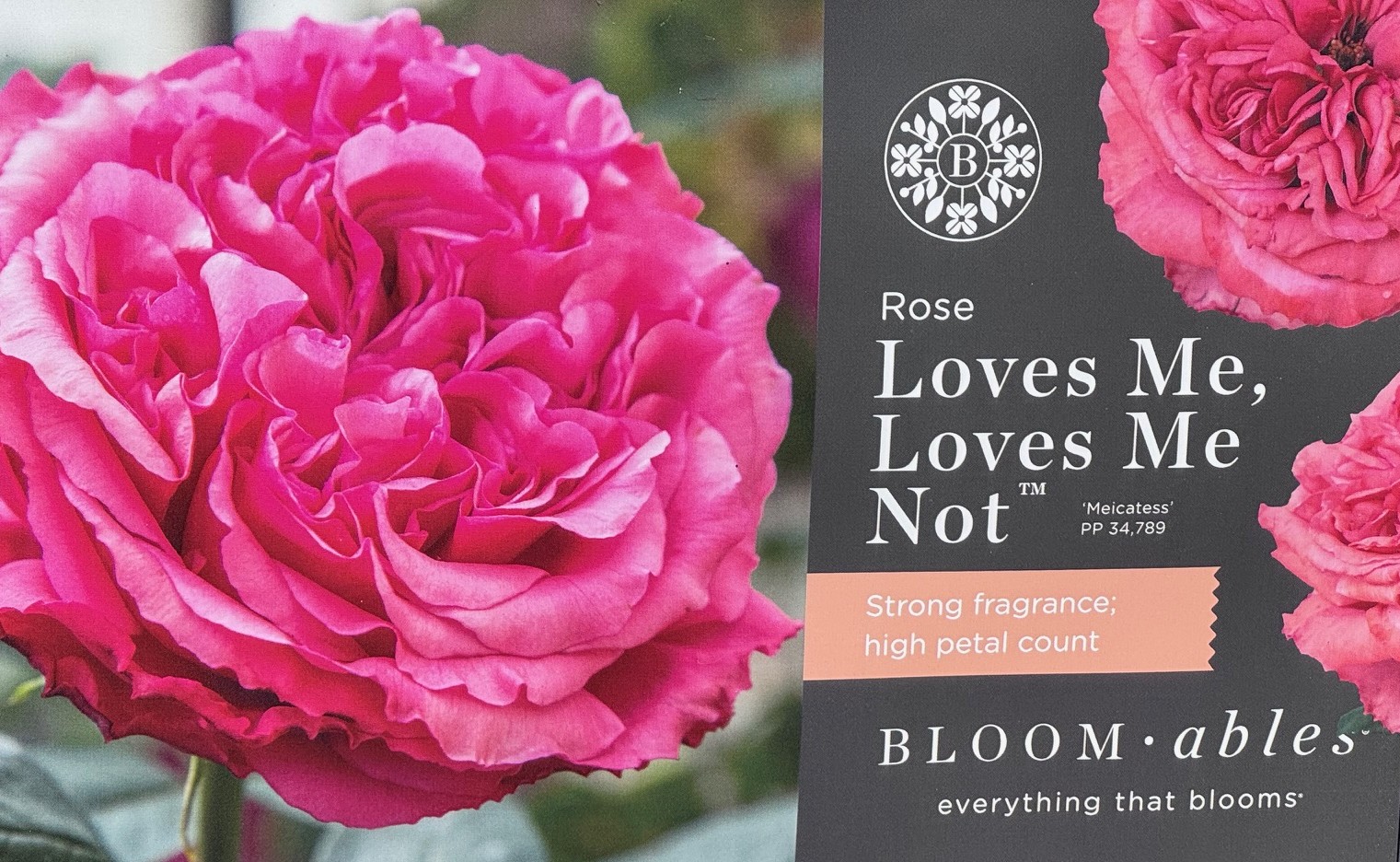
A Dozen Roses for Your Love

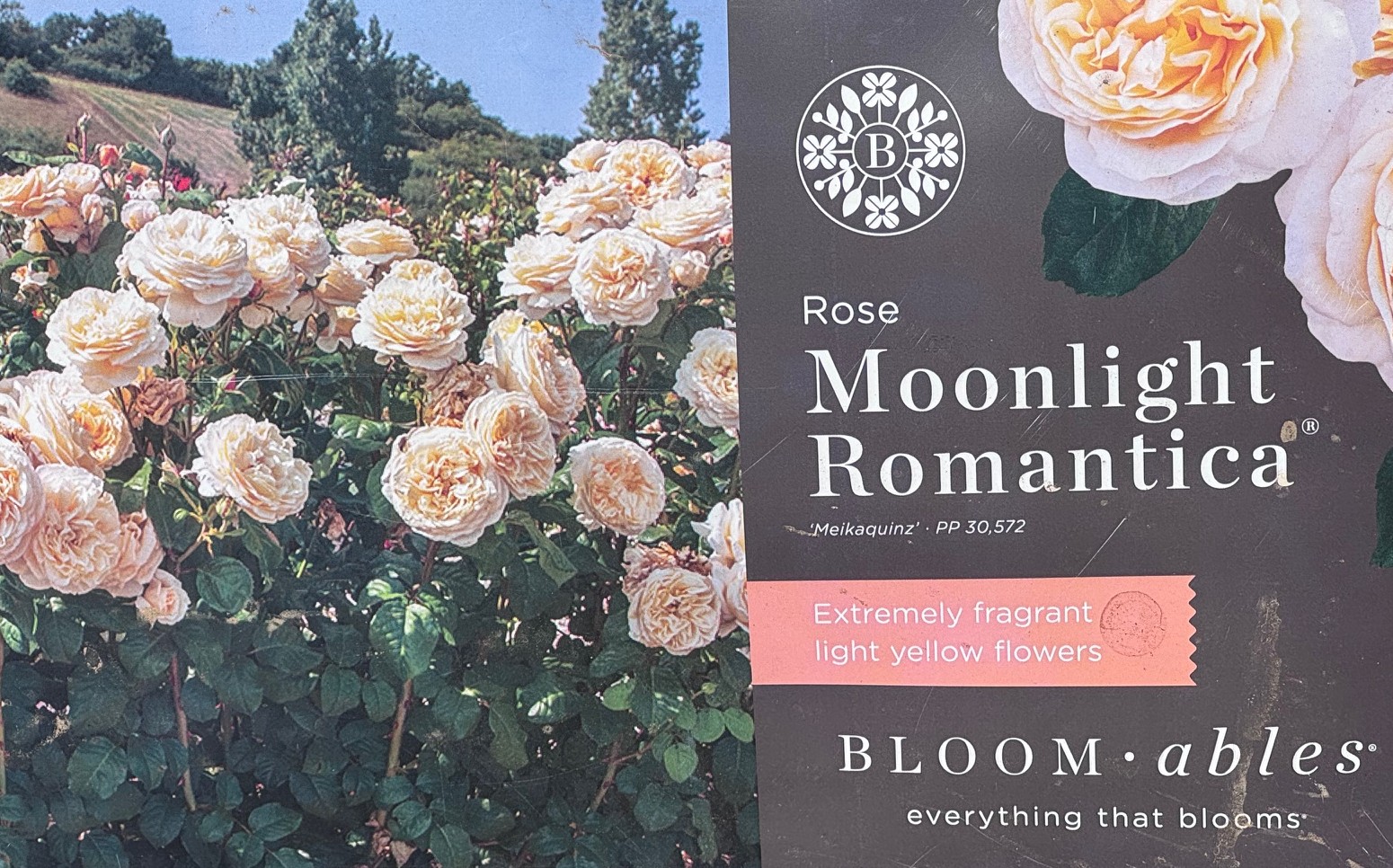
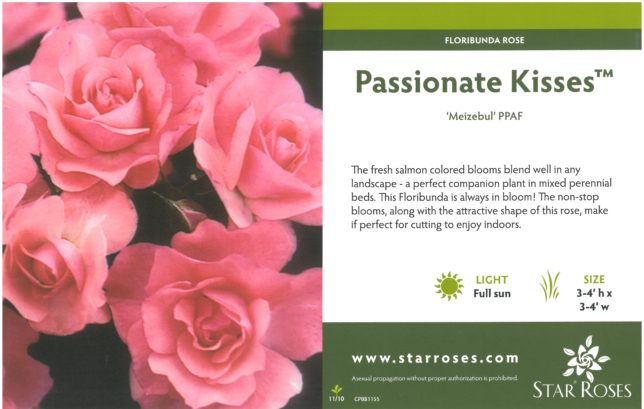
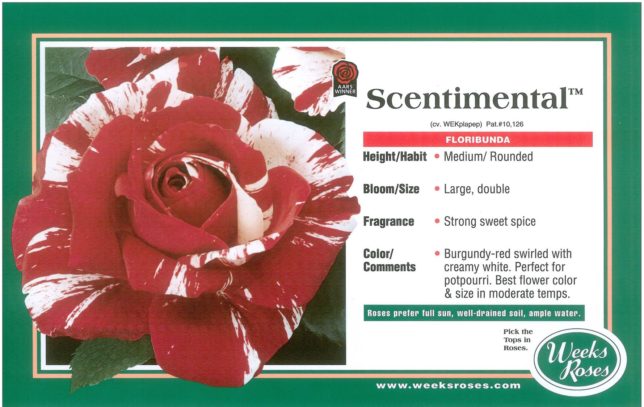
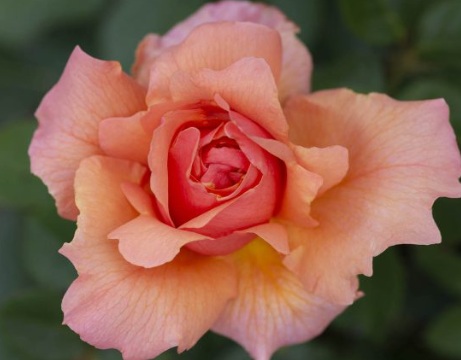
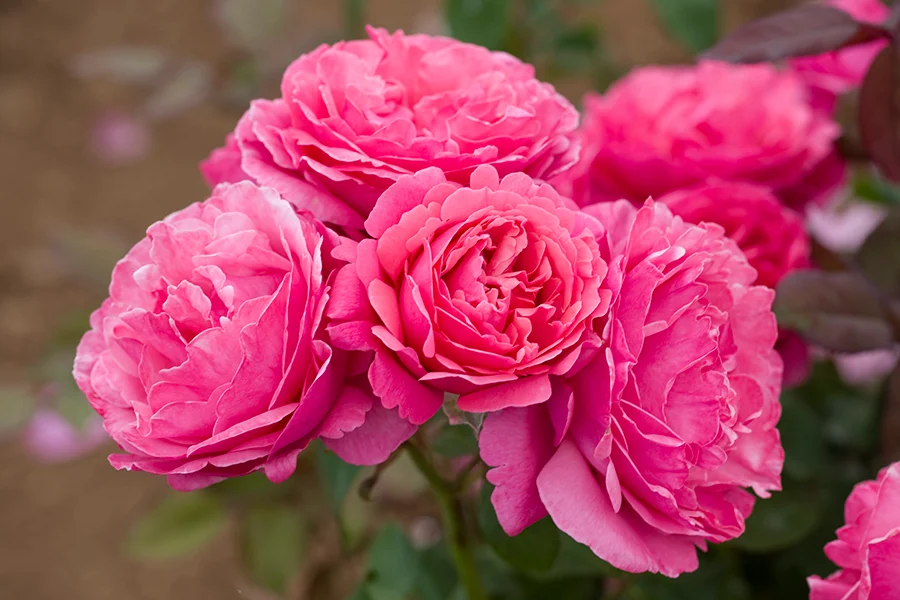
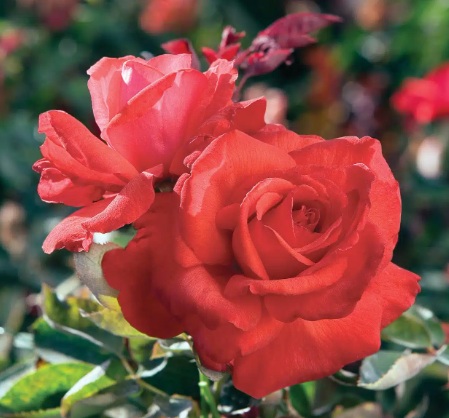
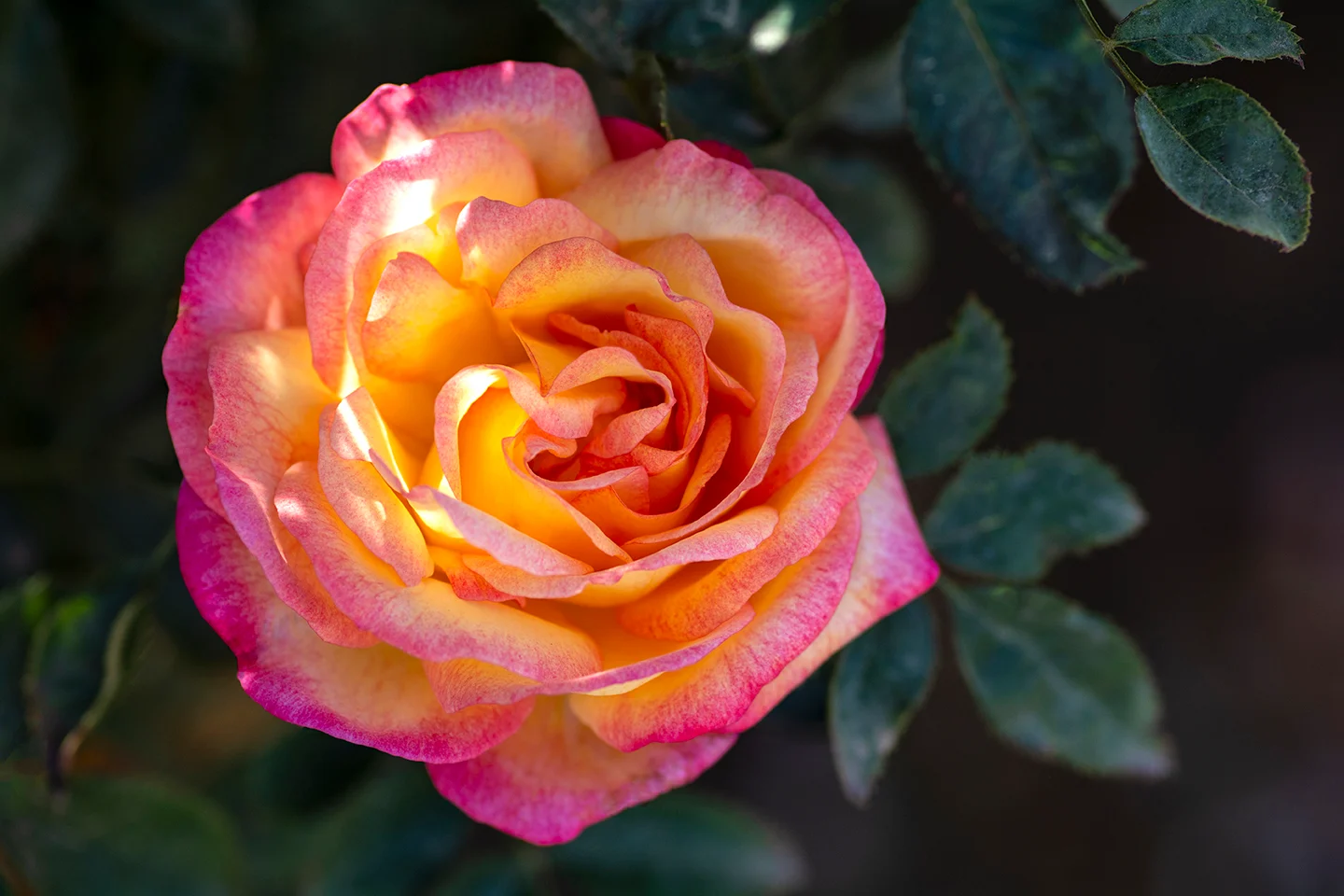
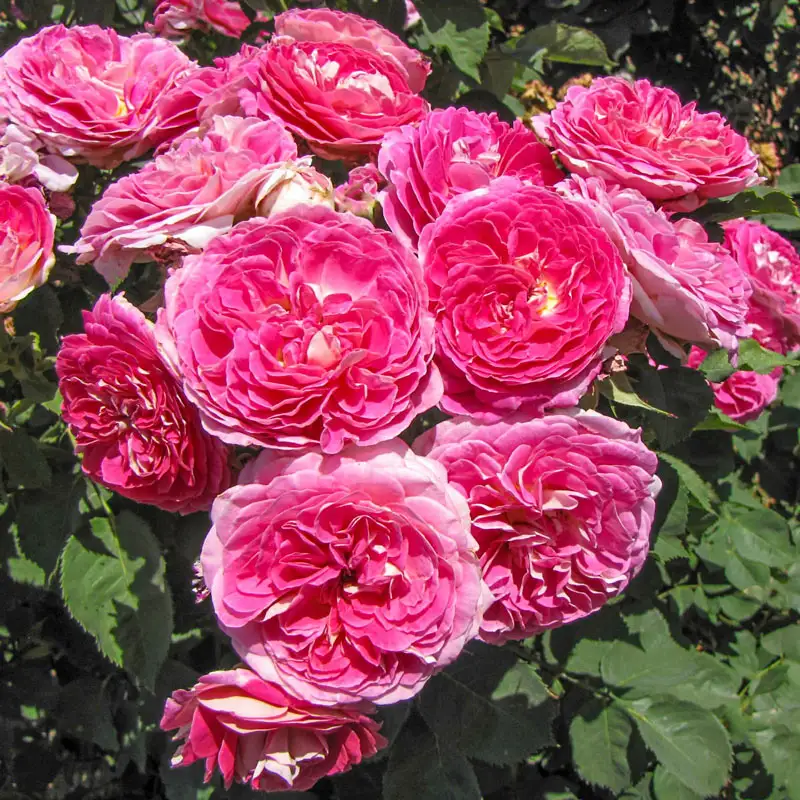
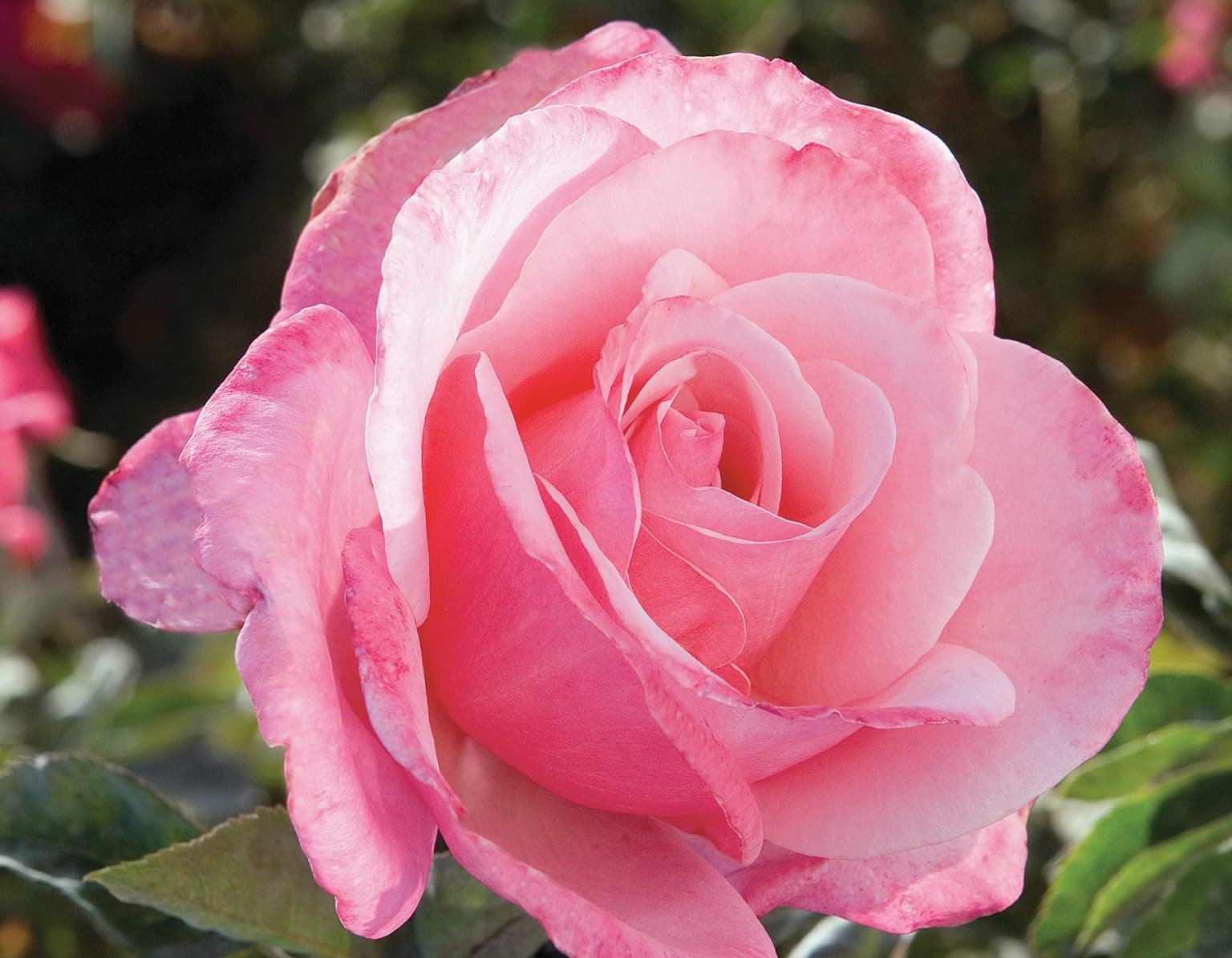
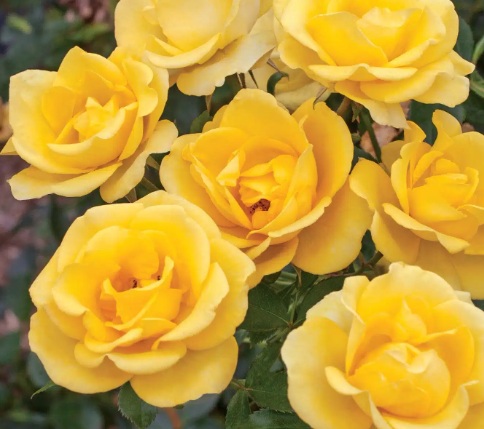
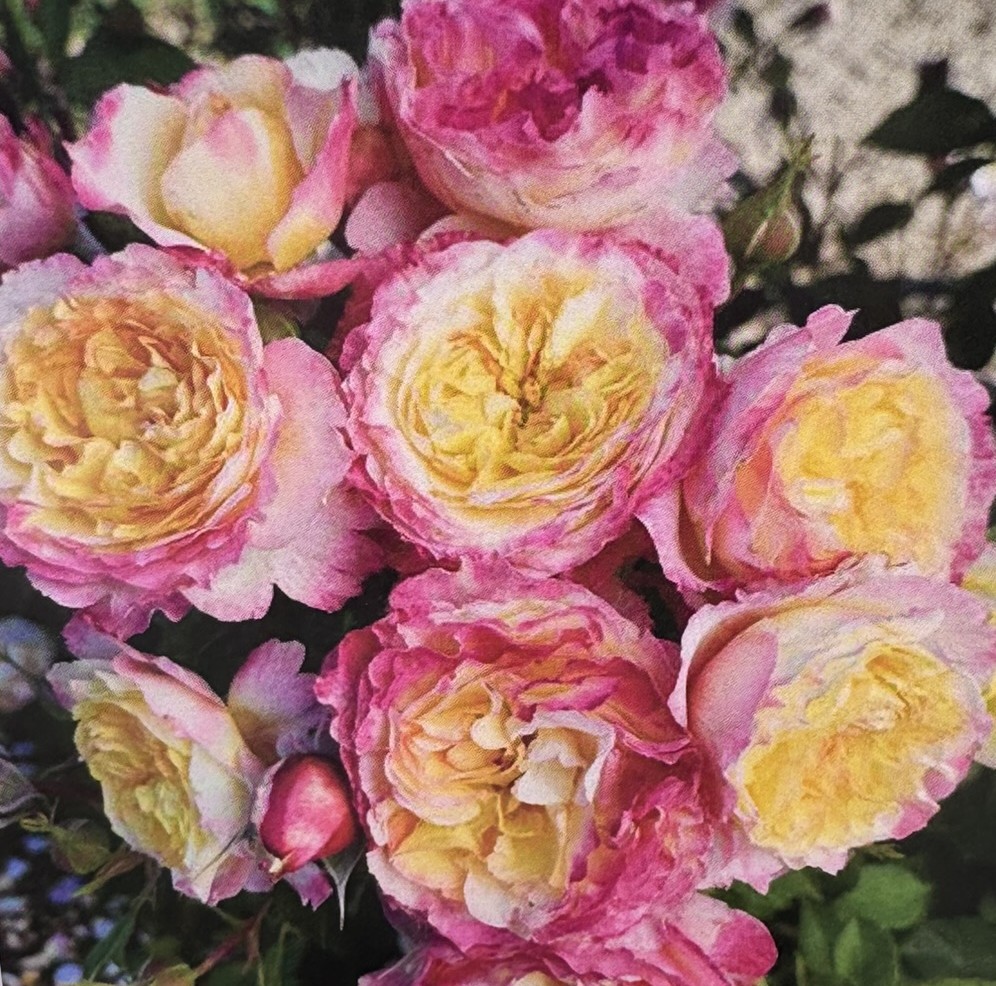
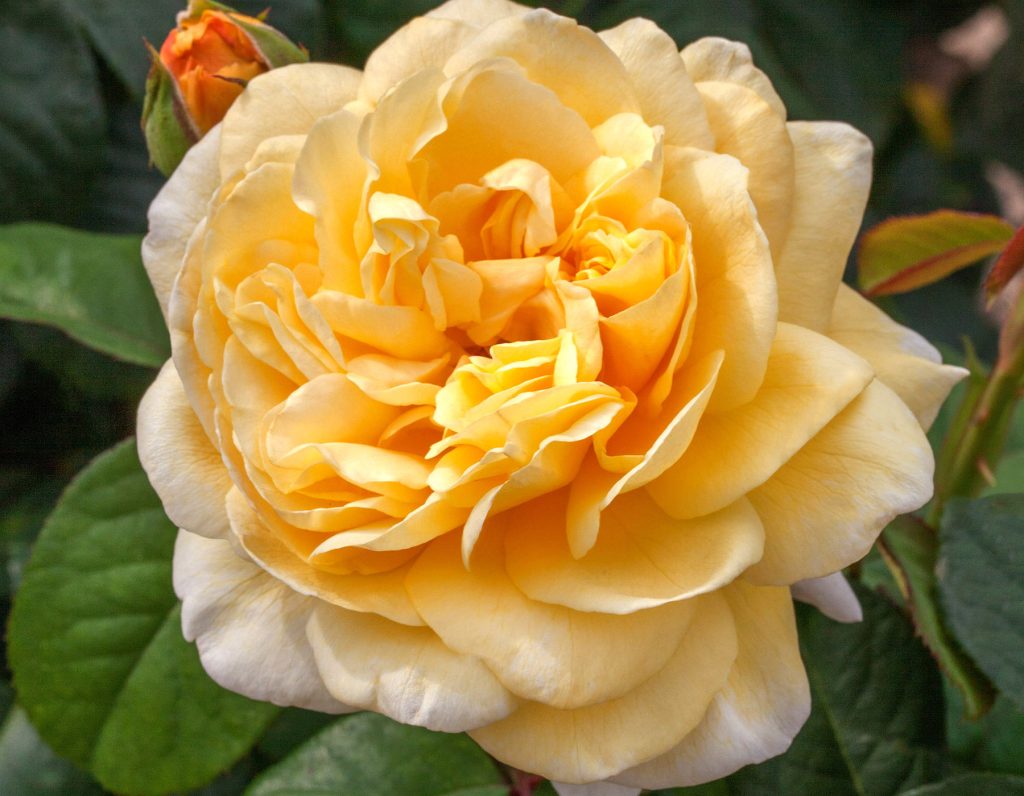
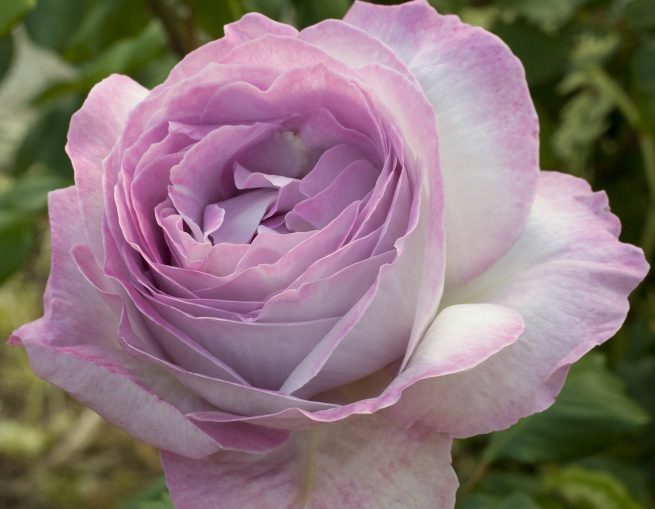
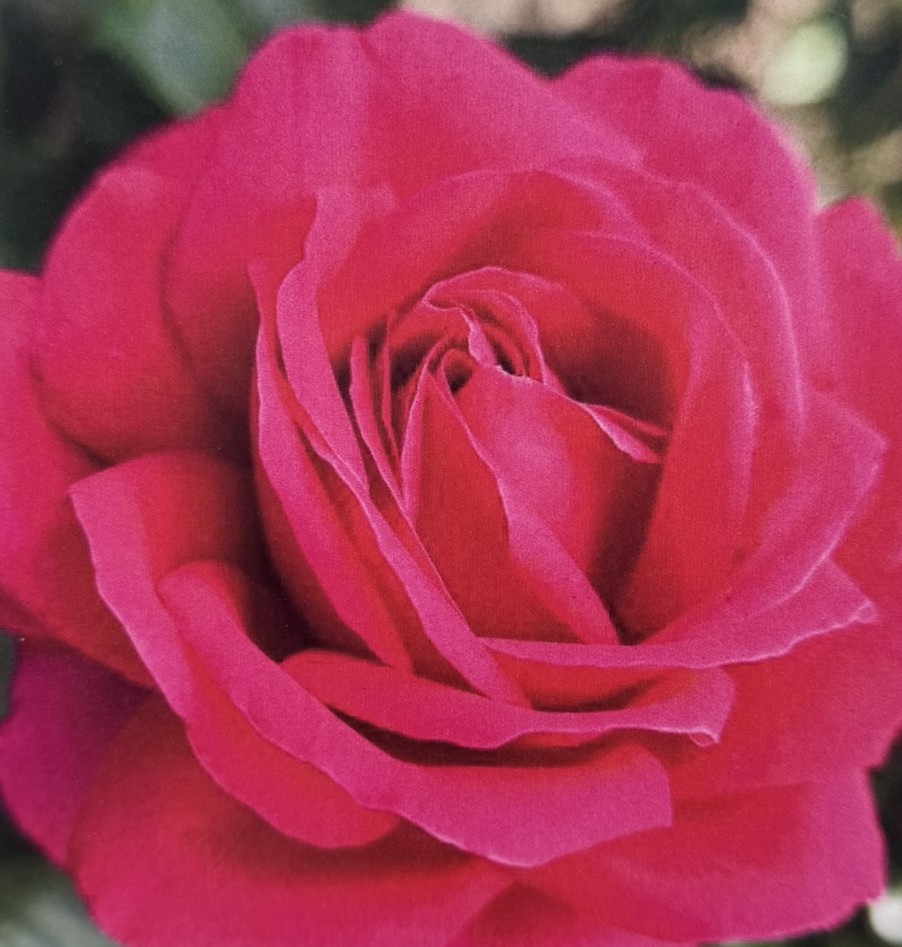
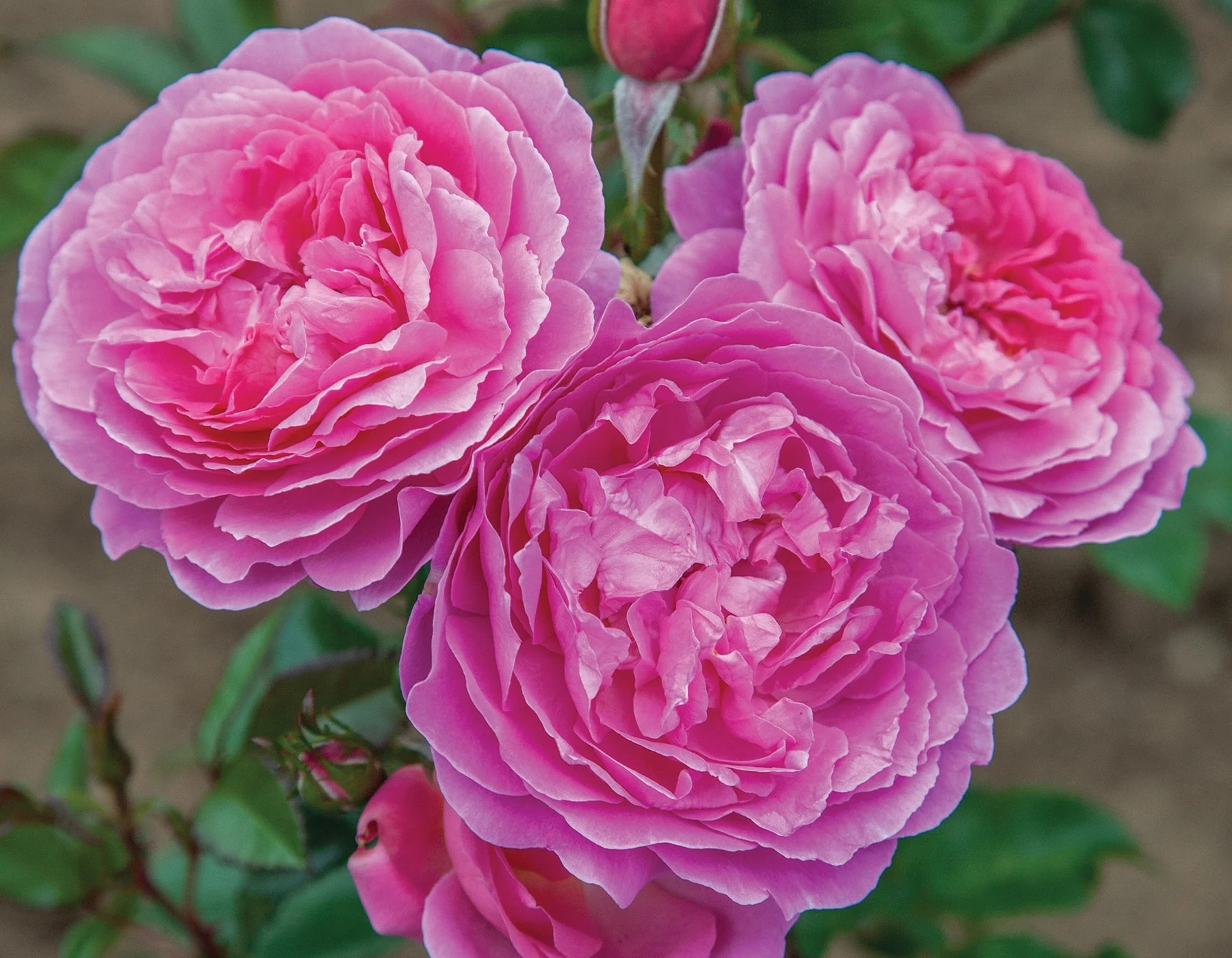
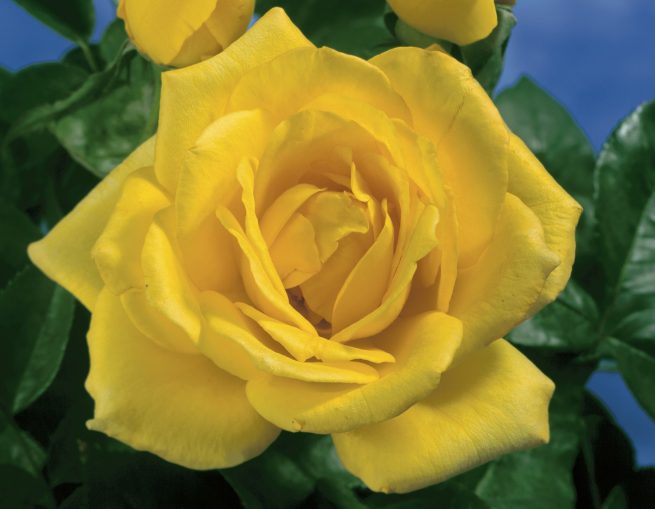
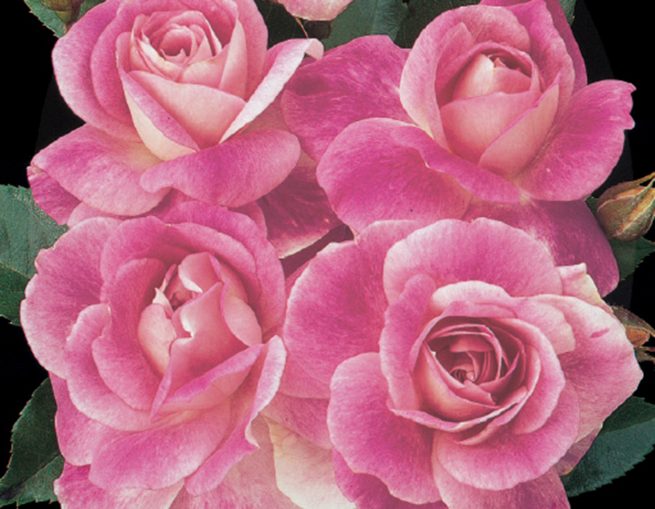
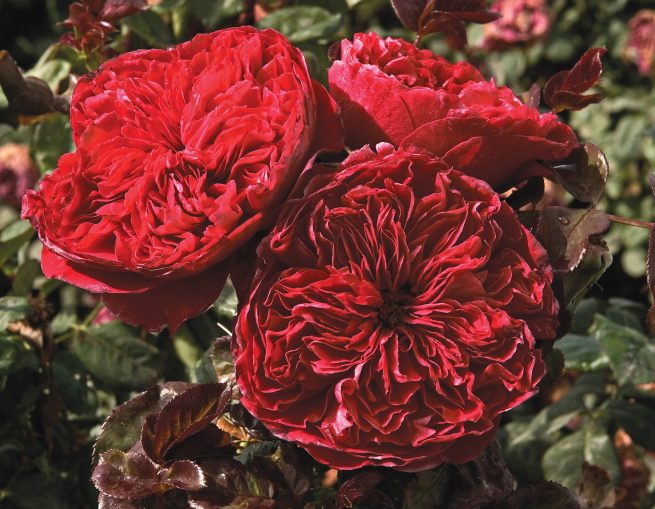
It is no secret that we are mad about roses around here. They are standouts in our gardens, love the sun and can be quite drought-tolerant once established. A new rose for the garden would make a wonderful Valentine’s Day gift. Remember, we are happy to foil wrap and add a bow for a perfect presentation. Here are a few Valentine’s inspired roses to consider:

New Roses for 2026

Add Color to the Garden with Shrubs

We typically reach for flowers when thinking about adding a dash of color to our gardens. But for true season-long interest in the garden, consider a shrub that will give you lasting color. When you plan your garden using colorful shrubs, their leaves lend a rainbow of hues to enjoy. The different shades and textures offer a burst of color – some even change colors throughout the year.

Take a look at these colorful shrubs which are real standouts in the landscape:

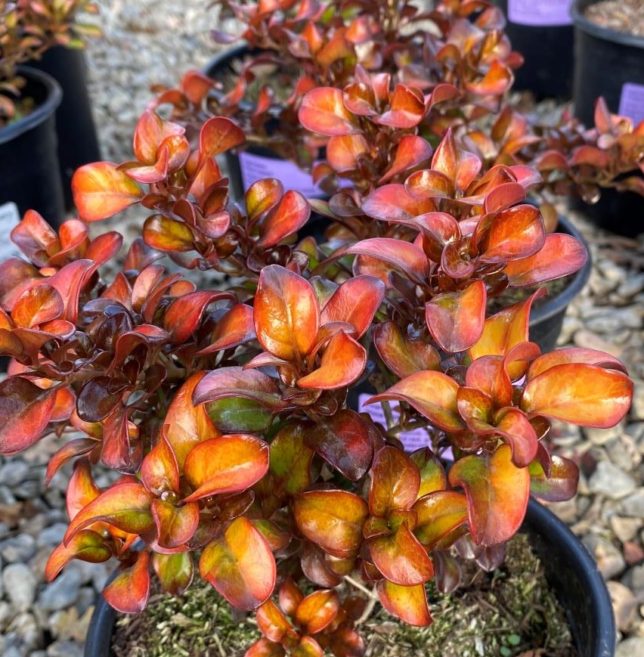
Coprosma repens (Mirror Plant) – The glossy leaves change color as colder weather approaches. Small, inconspicuous blooms in the spring. This hardy evergreen shrub needs protection if the temperatures dip below 25°.

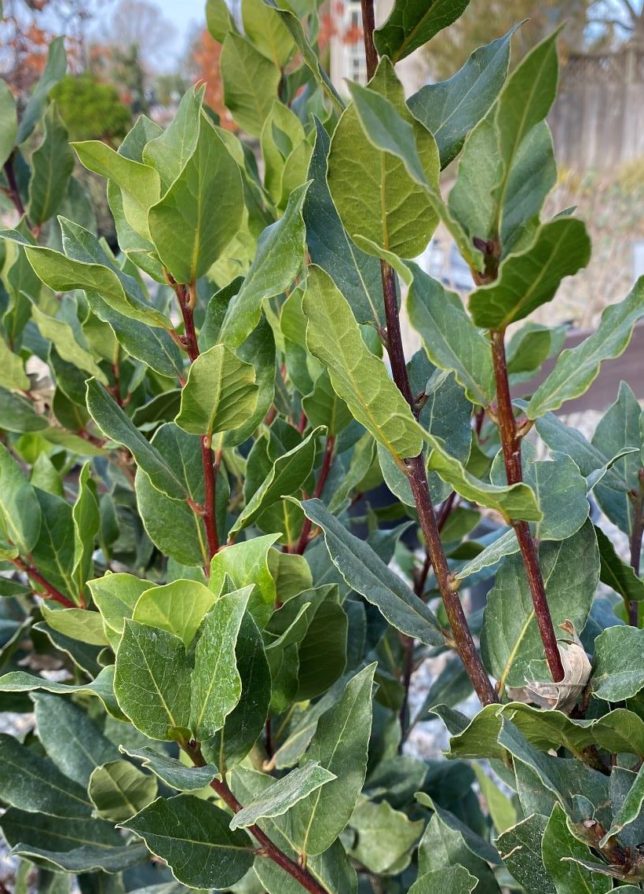
Laurus noblis (Sweet Bay) – An aromatic evergreen available in shrub or tree form. This Mediterranean native is where the “bay leaf” used in cooking for seasoning comes. This can grow into a fairly large plant.

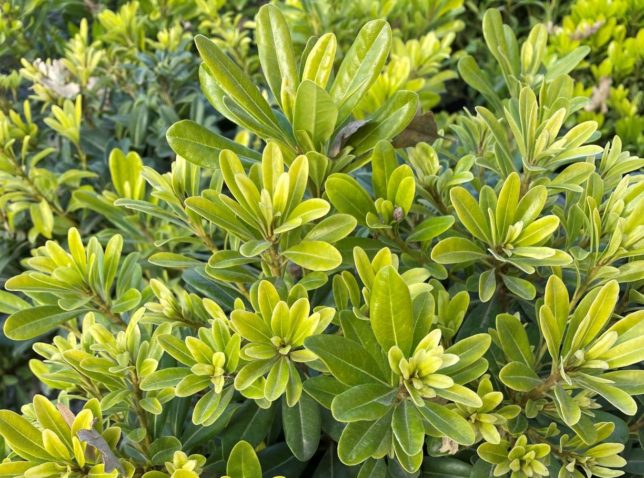
Pittosporum tobira – A popular dwarf shrub that is evergreen and mounding. Good to use as a low boundary or for poolside plantings. (‘Wheeler’s Dwarf’ is a popular variety.)

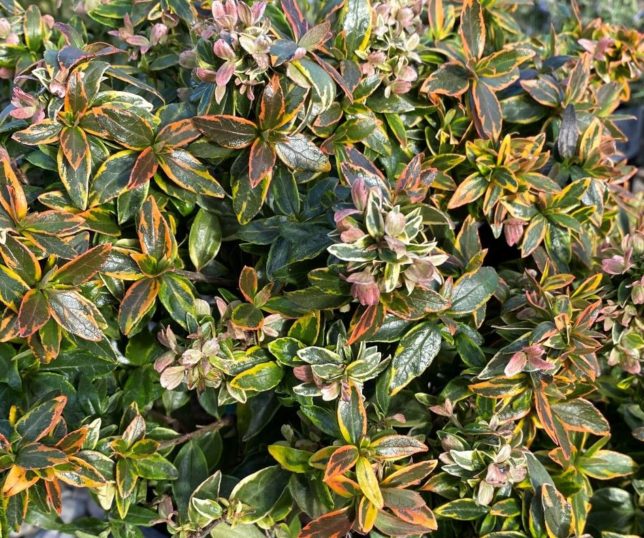
Abelia grandiflora – The Abelia has attractive foliage and gracefully arching branches. The eye-catching leaves (and sometimes the stems!) come in different colors and often change throughout the growing season. When in bloom, the flowers are popular with pollinators. (The variety ‘Kaleidoscope’ is a colorful choice.)

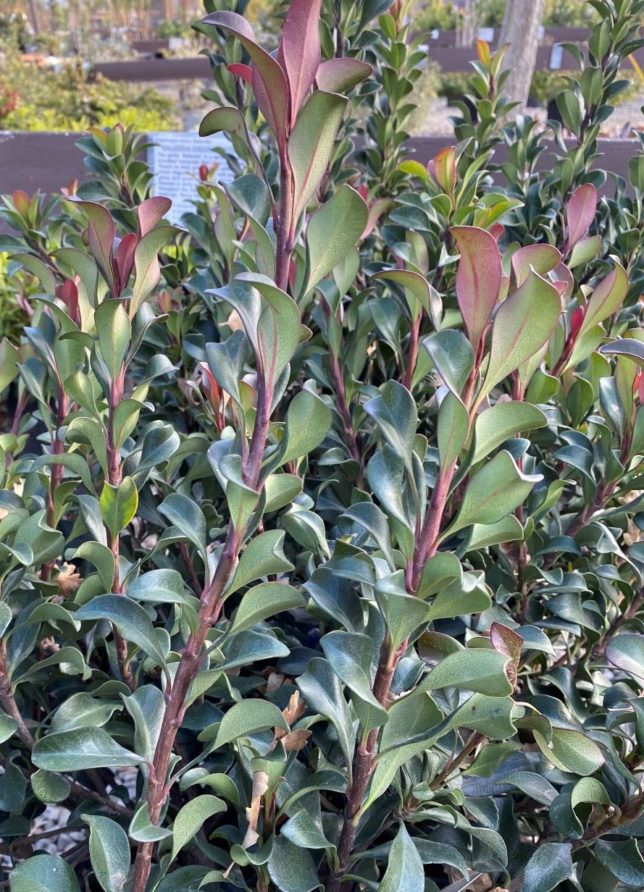
Rhaphiolepis indica (Indian Hawthorne) – A spreading, compact broadleaf evergreen that bears deep pink flower in shiny foliage that changes color with the seasons. Berry-like, dark blue fruit follows flowers.

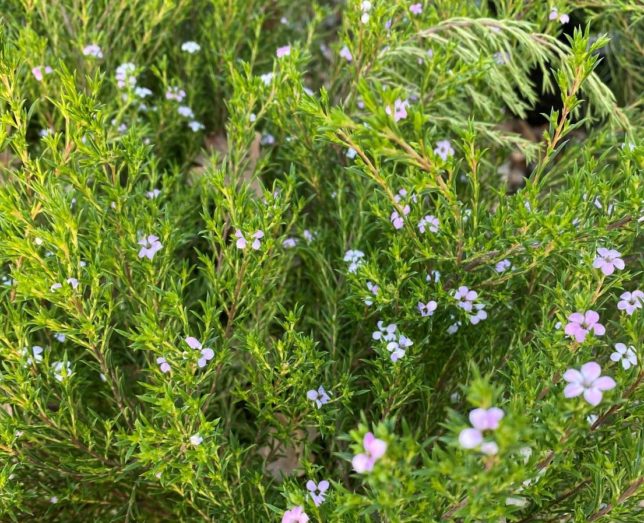
Coleonema pulchrum (Compact Breath of Heaven) – This popular shrub is evergreen, hardy and mounding to about 3′ tall. Small, showy blooms in spring often repeat in fall. If you are looking for a larger shrub (think 6-10′), the non compact Coleonema is an option.

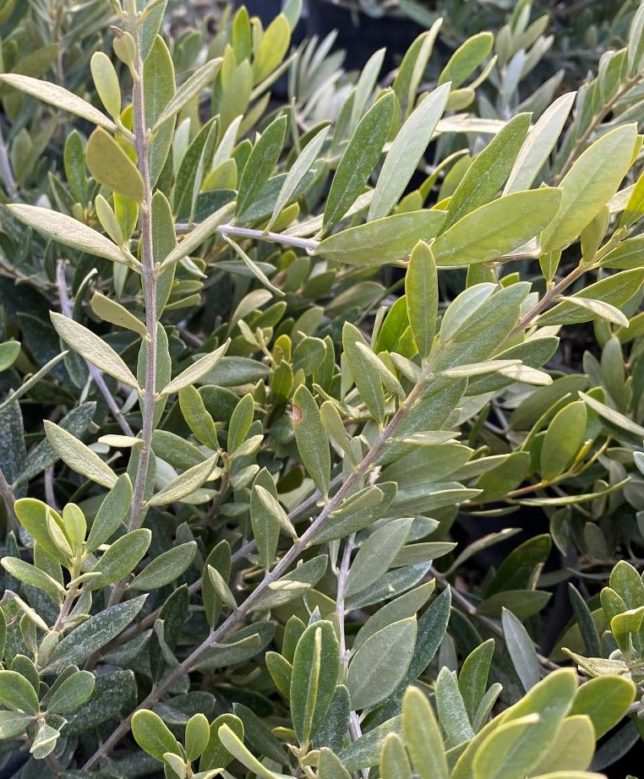
Olea europaea (Little Ollie) – All the beauty of the attractive grayish green leaves without the mess of a fruiting olive. This one can grow large at 5-15′ tall, but can be controlled with pruning. The dense growth is great as a hedge, low screen, accent or small tree.

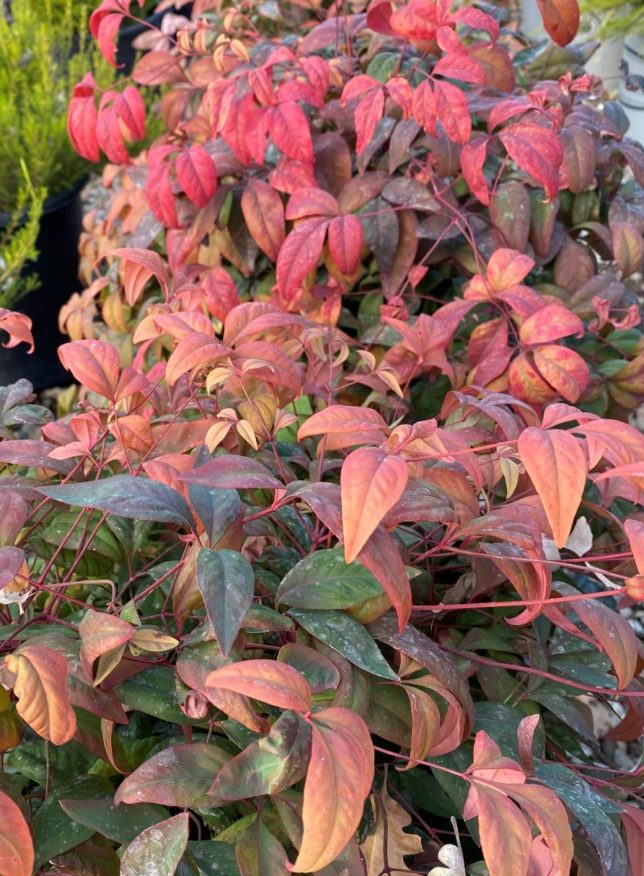
Nandina domestica (Heavenly Bamboo) – In every season this versatile plant is a garden standout. Serves as an excellent accent or container plant. Choose neat mounding or softer upright forms. Make sure the soil is well draining. (‘Firepower’ is a great choice if you are looking for a red variety.)