Plant Fall Decor – Start a Crop of Sunflowers

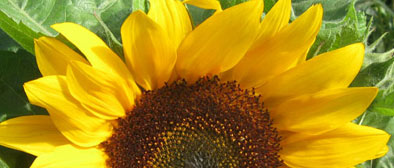
August is surprisingly good time to plant sunflowers from seed. Warm yellow sunflowers popping into bloom set the mood perfectly as days shorten and fall arrives. Make plans now for a seasonal transition.

Many sunflowers planted this past spring have already sprung, their flowers are fading, and seed heads are forming. Thanks to our mild California climate we can enjoy a bumper crop and second harvest by planting sunflowers a second time. Planting sunflowers from seed now will give an abundant crop of bouquet-ready blossoms for the fall table.

The best varieties for fall color are generally the shorter ones and the multi-branching ones. Sunflowers are easy to grow in any soil. Water to establish and expect blooms in six to eight weeks.

Refresh your Japanese Maples

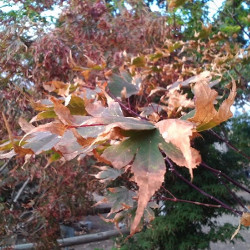
If your Japanese Maple leaves are burnt, you can revitalize them. Maple leaves can burn during the summer months not only from the heat but also from the wind and our alkaline soil and water.

What to do with sun-scorched leaves (on maples & others)

To correct that burnt look, remove the foliage by gently pulling or snipping the damaged leaves off each branch.  If you pull the leaves, they will snap at the stem and leave a little bit of themselves on the tree.  If you push each leaf backward toward the stem and beyond, it will peel off cleanly at the leaf node. This should be done by mid to end of August.

Follow this with an application of fertilizer, either Master Formula 49, Maxsea Acid Plant Food or Happy Frog Japanese Maple Fertilizer. The fertilizer gives the plant a needed energy boost, encouraging it to leaf out again. Your maple will leaf out again in 6-8 weeks & look spring refreshed just in time for the leaves to color up for fall.

Remember: Schedule your fertilizing for a time when your plants are not thirsty and the day is not too hot, (it should be under 85).

Improve next years’ leaves by supplementing your feeding with Dyna-Gro Protekt through the early months of spring. Feeding with Protekt in April and May provides soluble silica for the leaf-building process. The cell walls of each leaf are tougher and more resilient against the stressors of dry summer heat.

Additionally, help your Japanese maples through the year with pH adjusting soil additives, Soil Sulfur, Iron Sulfate, Fall, spring, and mid-summer applications are recommended.  Come in for details.

August Pruning

Pruning in August improves plant form just ahead of fall’s growth spurt. Light shaping now will look beautiful after new fall growth arrives in the weeks ahead.

Note: Plants should be well watered in the days ahead of pruning. Those that are experiencing drought stress should not be pruned.

Pairing a deep soak and fertilizing with your pruning will enhance the lush result.

pinching-pruning

August is an excellent month for pruning many shrubs and trees in the landscape, just ahead of the fall growth spurt. It’s also a perfect time for pruning backyard fruit trees for size control. Removing excess growth now instead of waiting until January will help keep fruit trees smaller.

August pruning is characterized more by shaping and size control than by thinning or substantial structural corrections.

Heading Back

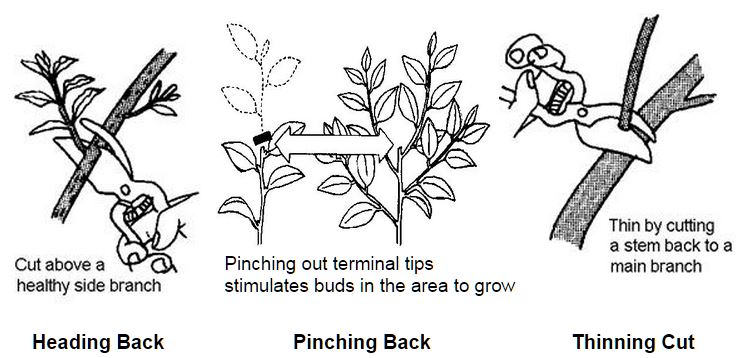
Heading back is a method of shortening existing branches to a more desirable length. By pruning just above a bud, growth can be directed as you wish. Pruning to an outside bud will keep the center of the plant open and free from crossing branches.

Thinning

Thinning is a technique where a whole branch or twig is removed back to a “Y” junction. Light thinning is appropriate for August pruning to remove some of the weight off of droopy branch tips. A combination of thinning and heading back will tighten up a leggy plant and encourage more compact growth.

Pinching

“Pinching” involves cutting away the growth tip and a few leaves on most of the branch tips. It does not change the shape or size of a plant but encourages two stems to sprout where there was only one. The plant will be twice as full after a growth spurt.

Size Control

Size control is as simple as shortening a formal hedge back to its desired size. It is also employed in late summer to keep fruit trees in check. No one but a bird needs a fruit tree to grow higher than you can easily reach. Right now is a perfect time to draw an imaginary line at a reasonable height of 8′ or 9′ and cut every branch that is growing above that line. Pruning for size control is important to do as the tree is young and reaching skyward. If your tree is already well above its target height, save the heavy reconstructive surgery until January and bring in a picture, we can coach you.

Citrus

As fall approaches and cold weather beyond, citrus pruning should be finished by the September 1 to allow time for the leaves to harden off before winter. Prune now to shape or to reduce the size. Also, clean up dead wood and thin lightly to allow light into the center of the tree.

Hydrangeas

Prune only the individual stems that have just finished flowering and let the other stems remain, (they will bloom next year). Prune these individual stems back deep into the shrub to just above a bud, or prune back flowering stalk lightly to a point just above a pair of big, plump buds.

If you are not sure what to prune now, send us an email or a picture with your questions to info@aldenlane.com

August Garden Checklist

checkbox[1] Keep after tomato hornworms and petunia budworms with another application of Caterpillar Killer with Bt by Ferti-lome. It’s an effective, safe environmental control.

checkbox[1] Don’t forget your citrus! In order to get bumper crops, feed lemons, oranges, and other citrus monthly with Master’s Citrus Food. Remember to water the day before applying fertilizers. Also, avoid feeding or treating on extra hot days.

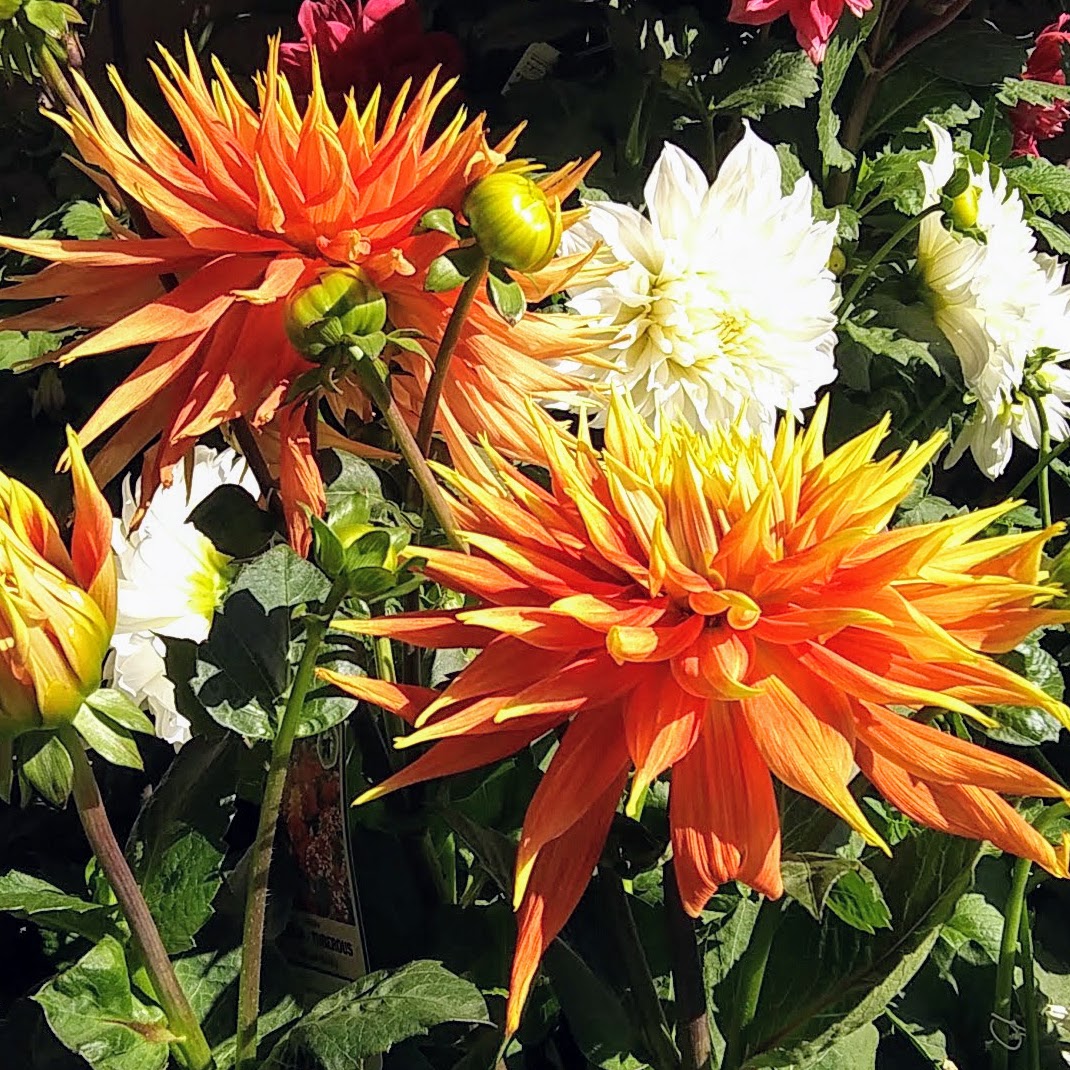
checkbox[1] Is your garden suffering from the summer blahs? Perk it up with colorful petunias, marigolds, vinca, and dahlias!

checkbox[1] Keep those flowerbeds neat and blooming! Deadhead (remove all old flowers). Cut back leggy petunias. Fertilize with Master Rose & Flower Food to encourage more flowers.

checkbox[1] Sow flower seeds. Many wildflowers and spring-blooming annuals grow from seeds scattered now. Try California Poppy or Baby Blue Eyes. Consider a California Wildflower Mix which would add a colorful splash and is drought tolerant.

checkbox[1] Keep your harvest coming! Feed with Master’s Tomato & Vegetable Food every 3 to 4 weeks.

checkbox[1] August is a great time to refresh summer scorched Japanese Maples. Snip off crispy leaves even if it means de-leafing the plant. Feed with Master’s Formula 49 or Maxsea Acid Fertilizer. In four weeks to the day, your maple will look Spring refreshed. Just in time for the new leaves to color up for fall.

Summer Container Watering Tips

Container plants in the heat of July and Dog-Days of August can dry out in less than a day.

Test soil around plants before watering
Soil should be only slightly moist before liberally applying water to any plant, whether in your garden or a container. Poke the probe of a moisture meter about 1″ deep around different parts of the pot to get an accurate sense of the moisture levels.

Water each plant
At the nursery, we water frequently in the summer heat. The correct procedure is to flood the containerized plant until the water runs slightly over the top sides of the container and drains out the bottom of the pot. If it drains quickly, then water it twice.

How often do I water?
You can become the best judge because you know the surroundings better than we do. Test the soil around the plant. Water thoroughly if needed. Check the soil moisture frequently and allow the plant to go slightly dry before watering thoroughly again. After 2 or 3 times of following this procedure, you will know the intervals of days the plant can go without watering again. On excessively hot days check plants two times!

Watch the Weather

Remember, if there is a drastic change of temperature; either way, it will affect your watering schedule.

Add water-holding polymer
Soil Moist
to all your container plantings of flowers and shrubs. It will help cut your watering in half.

Herbs for Cooking

With your vegetable garden well established, now is an excellent time to consider adding some herbs to flavor those dishes!

Herbs can make a familiar dish new or lift an ordinary entrée to gourmet status. Their subtle magic transforms soups, stews, salads, bread, and even desserts. With a bouquet of herbs or a scattering of herb flowers as a garnish, your food will look as beautiful as it tastes.

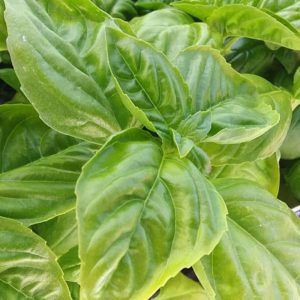
Basil – It’s warm, heady flavor lends itself to Italian or Mediterranean cooking, especially tomato dishes or with eggs, cheese or salads. Special Tip: Pesto Sauce – Blend 2 cups of fresh basil, ¼c of parmesan, ½c of olive oil, 3  Tbsp. of pine nuts (or walnuts) and 3 cloves of minced garlic. Use on pasta and vegetables.
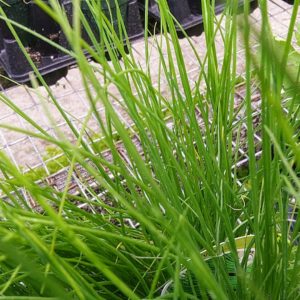
Chives – The subtle onion flavor of chives is perfect in omelets, salads, soups, or on potatoes and other vegetables. Special Tip: Get rid of onion odor by chewing on a fresh parsley sprig.
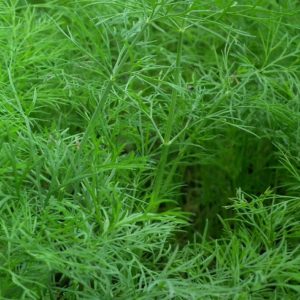
Dill – Used for pickling, dill is also fantastic in salads, sauces, soups or bread and on vegetables or fish. Special Tip: Try pickling green beans, carrots, new potatoes, or peppers with a bit of dill.
lavender150 Lavender – The addition of culinary grade lavender in tiny amounts can jazz up dishes as diverse as grilled pork chops, to scones, cakes, and even candy.
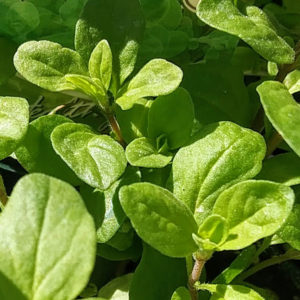
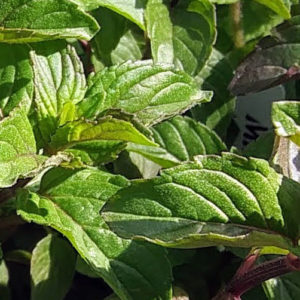
Marjoram – Like oregano but sweeter, this flavor is perfect in Mediterranean dishes, meats, and vegetables.
Mint – The flavor of mint is refreshing, cool, and sweet, especially good in iced drinks and teas, with lamb or in salad dressings. Plant mint only in a container. It can take over a garden bed if planted in the ground! Special Tip: Minty Sun Tea – Put 8 tea bags, ½c of fresh mint leaves, and 1 gallon of water in clear glass jar. Set in a sunny spot for several hours. Serve over ice.
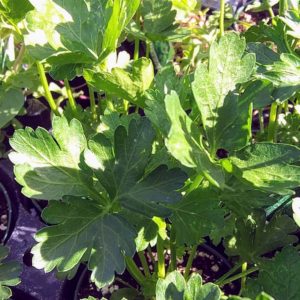
Parsley – For a clean, sharp and peppery taste, add to vegetables and salads as a garnish. Include in sauces, soups, stews, and stuffing. Special Tip: Parsley is high in Vitamins A, C, and B.
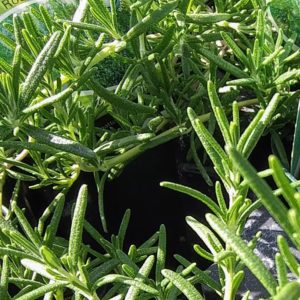
Rosemary – The flavor of rosemary is bold and piney. Use it in pickles, jams, preserves, and sauces, as well as meats and soups. Special Tip: Use a branch of rosemary as a basting brush at your next barbeque or put some on the coals for a great aroma.
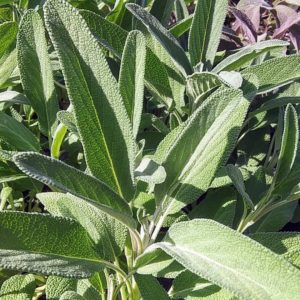
Sage – Warm, slightly bitter, this flavor is a must for turkey stuffing, as well as pork, duck and sausage seasoning. Special Tip: Dried sage leaves are used as a substitute for coffee or tea.
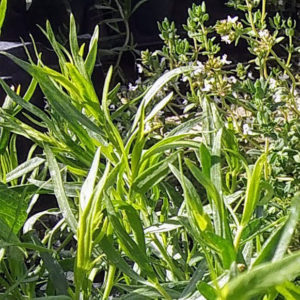
Tarragon – A spicy, sharp flavor with licorice and mint overtones, tarragon lends itself to French cooking, egg dishes, fish, and salad dressing. Special Tip – Tarragon Vinegar – Pour a quart of cold vinegar over ½c fresh tarragon leaves, cap, and store for 4 weeks.

Container Gardening

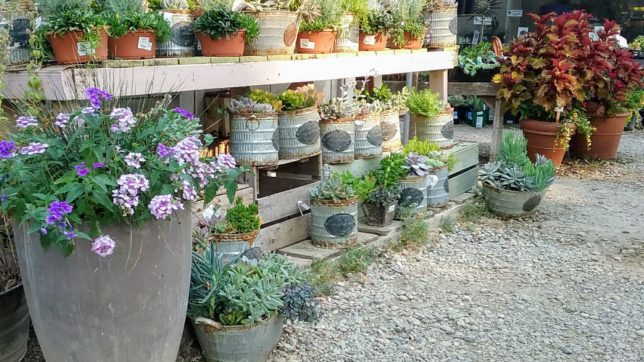
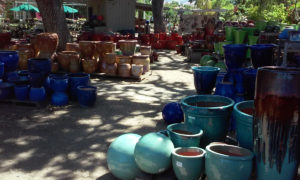
Almost everything that grows in the ground will also grow in containers, and the portability of container gardening means you can bring plants to the patio, and enjoy a summer retreat with the beauty, color, texture, and vibrance that living plants bring.

Containers allow you to have a portable garden that you can rearrange whenever the mood strikes. Containers also provide perfect drainage, so plants thrive as long as you provide adequate water and correct sun exposure.
Perennial Gardens
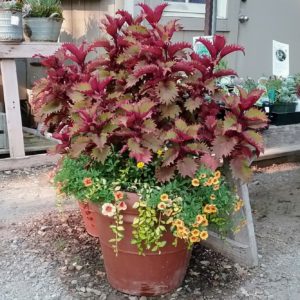
Colorful annuals with perennials in containers make a winning combination. Annuals provide constant color and perennials give interesting textures, foliage color, and flowers. Perennials come in many different sizes and can provide dramatic foliage as a focal point for your moveable garden. Perennials bloom at varying times of the year, so there’s always something of interest blooming in your containers. And as the perennials grow, they provide a bigger and more beautiful display every year.
Fragrant Herb Gardens
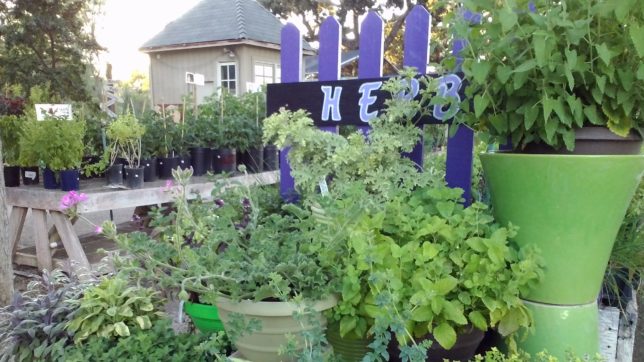
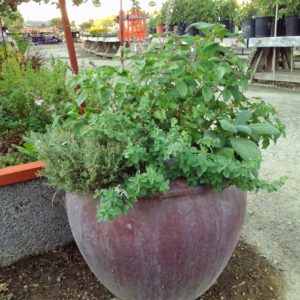
Make your herbs a decorative centerpiece this summer. Arrange your favorite herbs in a ceramic planter, wine barrel, or fill a hanging moss basket with herbs. Put thyme, rosemary, and oregano on the sides of the basket and borage, parsley, sage, basil, and chives in the top of the basket. Fertilize twice a month. We suggest that you use Master’s Pride Professional Potting Soil and E.B. Stone Sure Start Organic Fertilizer. Both products will help you grow the best herbs in the neighborhood. Once you’ve selected your container and you’re ready to plant, remember we carry a large selection of herbs including some of the favorites such as basil, chives, dill, fennel, oregano, parsley, rosemary, thyme, and tarragon.
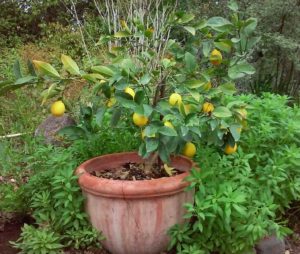
Sweet Scented Citrus Gardens
If you’re looking for a plant that does it all – look no further than citrus. It’s a plant for all seasons. You have shiny leaves, fragrant flowers, showy fruit and to top it off you can plant the dwarf varieties in large containers. Lemons, limes & kumquats do well in partial shade while sweeter citrus such as oranges, grapefruit, tangerines need full sun. Citrus shows off its colorful fruit in winter when many plants are dormant.

Small Trees There are a number of smaller trees that are very happy to live in containers and can add visual “green” interest to a place where that might be missing. In addition to the citrus mentioned above, consider a “Little Ollie” non-fruiting olive tree or perhaps a Japanese maple.

An excellent soil mix is Master’s Pride Professional Potting Soil, Sure Start Fertilizer with the addition of Soil Moist water holding granules. The granules absorb many times their weight in water and release it as needed and will cut your watering frequency in half. These products will help you grow bigger, tastier vegetables and more beautiful flowers.

Summer Gardening Tips

Summer gardening is a bit different here in the Livermore Valley. There are days the cooling layer of fog barely reaches the Oakland Hills let alone Livermore. So take some hot weather precautions for your garden to protect it from the withering temperatures. Glance through our gardening tips for some great ideas.
Watering
The blazing hot sun of summer and a warm afternoon breeze can pull the water out of plant life like air out of a balloon. Any plant, but especially newly planted ones will appreciate having water very nearby. Give new plants a good thorough soaking, making sure their root ball gets wet from their tips to their toes.

Building a berm or basin around each plant is especially helpful. You can see the difference between those that have a basin, and those that don’t after just a few weeks. Those that do – flourish.  Build a basin which holds one gallon of water for one-gallon plants; 5 gallons of water for 5-gallon plants; and 15 gallons of water for 15-gallon plants.

Discourage surface rooting by providing supplemental deep waterings. We suggest three such soaks one in early summer, one in mid-summer and a third in late summer. Starting at the trunk lay a soaker hose on the ground and continue around the tree in a spiral fashion until you get to the drip line (the edge of the foliage down to the ground). Turn the water on ever so slowly and let it soak for 24 hours straight.

Water your garden in the morning. It’s best to water on the RISING temperature. It helps to prevent fungal and bacterial diseases in your garden. An exception would be on those extra hot days when early evening watering is fine.

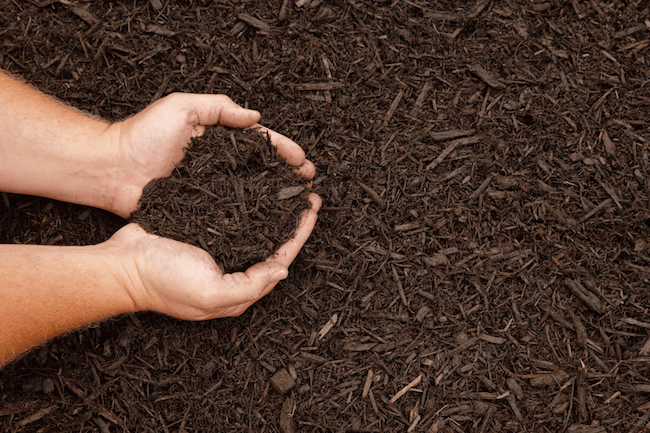
MULCH! Mulch! Mulch! Spread 3 to 4 inches of mulch around shrubs and trees. Leave a six-inch area open around the trunk of the tree so it can breathe. Mulching helps retain moisture and keeps the roots cool.

Put shut-off valves on all your hoses. This way, you can turn off the water as you move from place to place.

Check the sprinklers. Replace damaged ones. Clean out clogged heads. Adjust so they aren’t watering sidewalks and driveways.

Use Polymer gel “Soil Moist” in your potting soil when planting sunny container plants. Soil Moist water holding polymer will cut your watering in half. It’s great for the plants to provide extended even moisture and great for you… less watering to do on hot summer days. This soil additive is a must in thirsty hanging moss baskets.

Water each plant thoroughly if in a container. At the nursery, we water frequently in the summer heat. The correct procedure is to flood the containerized plant until the water runs slightly over the top sides of the container and drains out the bottom of the pot.

How often do I water? This is a frequently asked question. You are the best judge because you know the surroundings better than we do. Test the soil around the plant. Water thoroughly if needed. Allow the plant to go slightly dry before watering thoroughly again. After 2 or 3 times of following this procedure, you will know the intervals of days the plant can go without watering again.

Remember, if there is a drastic change of temperature; either way, it will affect your watering schedule. As a rule of thumb, hanging baskets need to be checked once or twice daily. In hot spells, moving hanging baskets to cooler shade temporarily is not out of the question.

July Garden Checklist

checkbox[1] Mulching makes the summer easier on your garden. It retains moisture and helps minimize weeds. Use a four-inch layer of nugget, micro, black or shredded cedar bark for the best results. Make sure to leave a 6″ space around the plant stems.


checkbox[1] Spruce up the garden with pots of red-white-blue ­petunias for the holiday. We have lots of instant color flowers to make holiday parties and barbeques all the more enjoyable. Shop before or after the holiday because we close the nursery for July 4th.


checkbox[1] Pay a little extra attention to your roses this month, water deeply and mulch around the root zone.


checkbox[1] Now is a great time to enjoy water gardening. It can be as small as a large pot or as grand as an in-ground pond.


checkbox[1] Tasty, crunchy vegetables, juicy tomatoes, crisp peppers, and tender beans all benefit from regular fertilizing during their growing season. We recommend E.B. Stone Organic Tomato & Vegetable Food.


checkbox[1] Look out for cucumber beetles! They are active and hungry during late summer. These green ladybug-look-a-likes eat all but the veins of leaves and flowers, leaving lace like skeletons and devouring whole plants in no time. Use Captain Jack’s Spinosad for the best results.


checkbox[1] Plant Crape Myrtles now. These sun and heat-loving summer bloomers come in shrub and tree form. Choose from white, red, lavender, and many shades of pink.


Tropical Planting

Tropical plants such as Palms, Hibiscus, Lantana, Bougainvillea, Bird of Paradise, Rose of Sharon are a sampling of the plants that will transport you to the tropics – and most are water-wise.

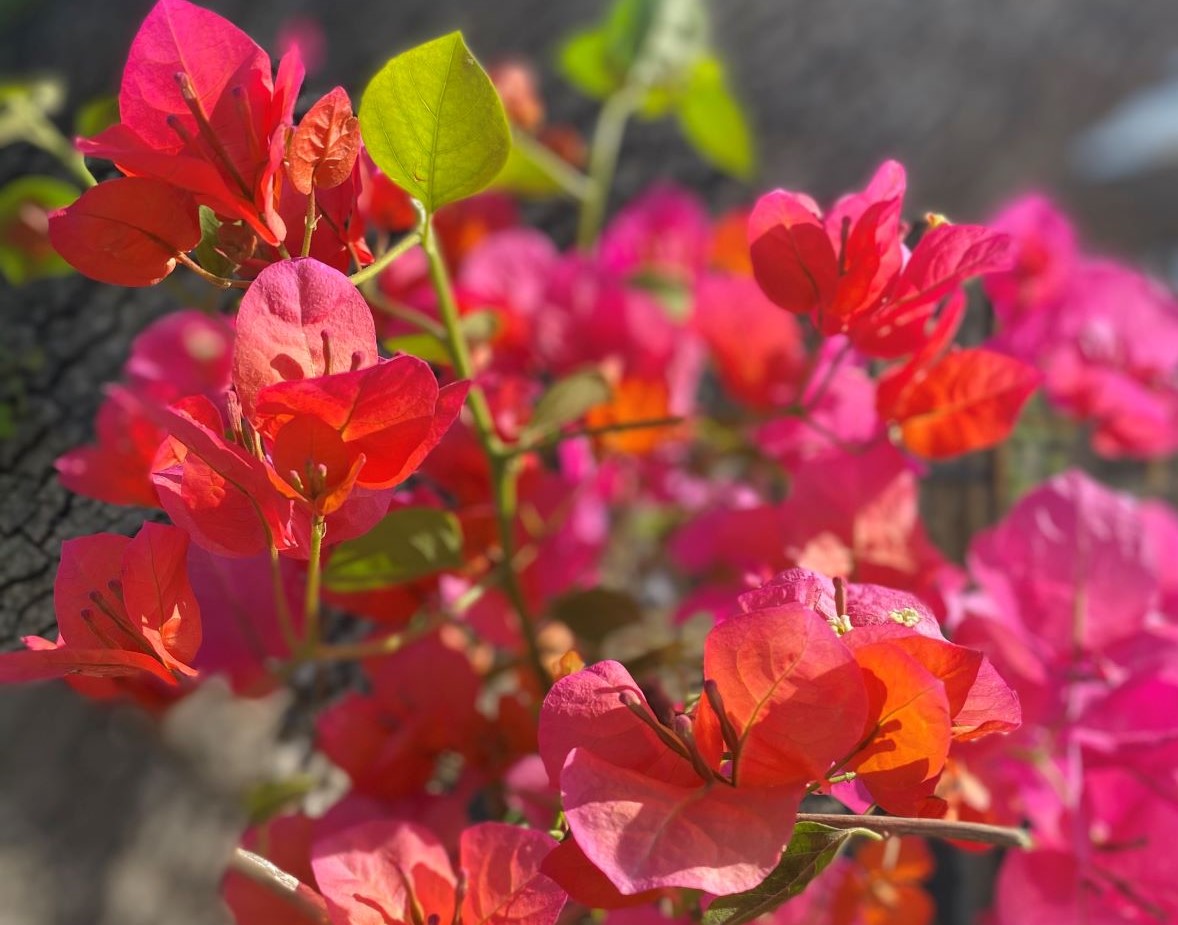
These hot summer lovers will add a splash of color and texture to your landscape, train bougainvilleas up a south or west-facing wall. The warmth of the wall will encourage early bloom and offer some cold protection in the winter.

Hibiscus are stunning in pots. What a great accent for your sunny porch or patio and since they’re in containers they’re easy to move away from winter’s chill.

Rose of Sharon is a hardy hibiscus producing lovely blossoms mid-summer. No cold protection needed.

Lantana comes in trailing and shrub forms and will bloom summer through fall. Bring on the heat for these nonstop blooming sun lovers.

Whatever you are looking for we are here and very happy to help . . . So please come by and let us do just that.

Bougainvilleas

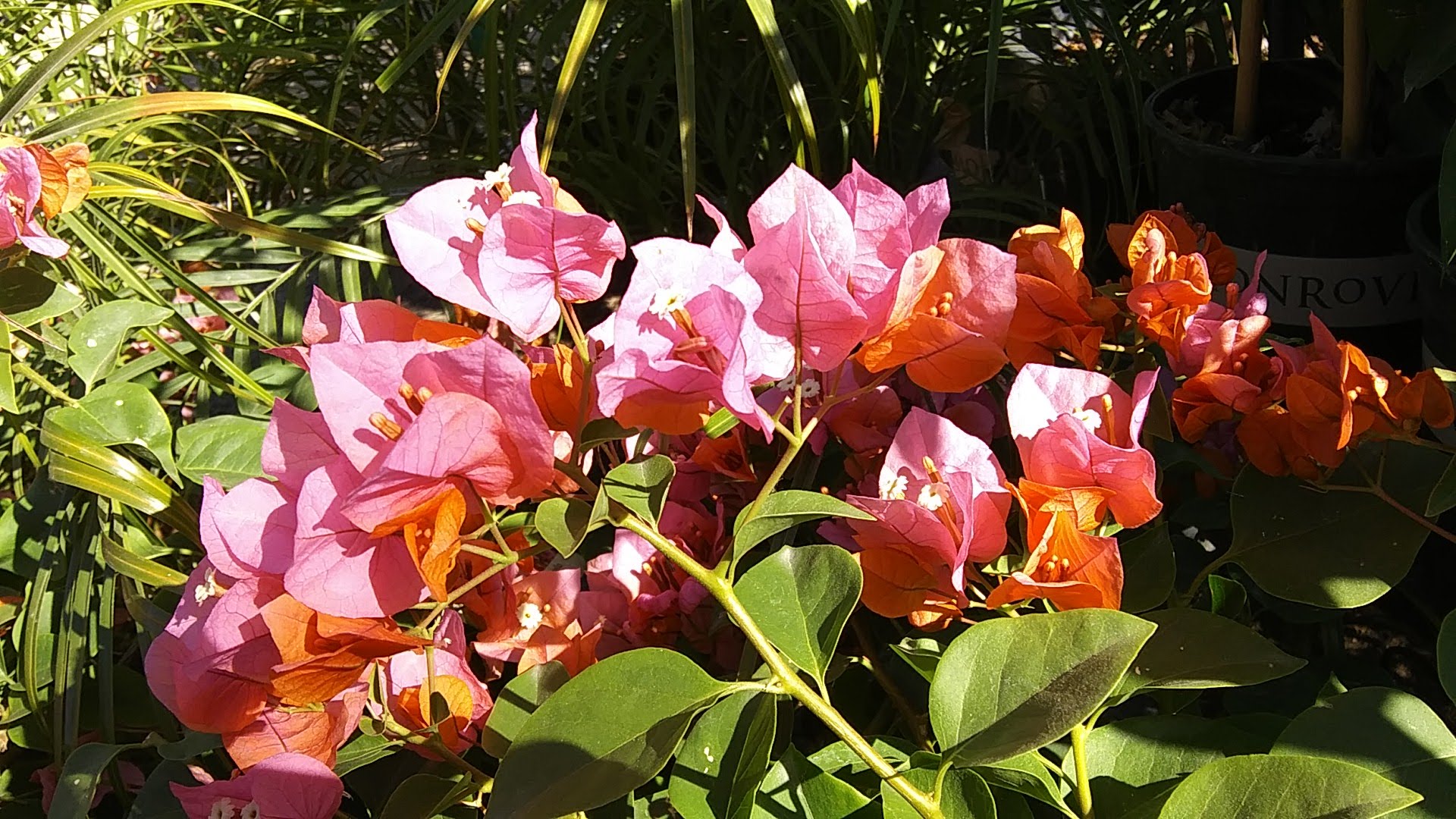
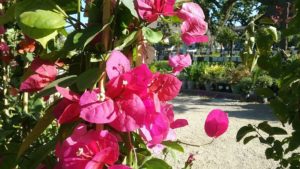
We have gorgeous bougainvilleas to train up a south or west-facing wall that will give you sheets of color all summer long. Choose from a variety of tropical colors. Don’t forget to ask for planting directions as they have sensitive root systems and will need frost protection in winter.
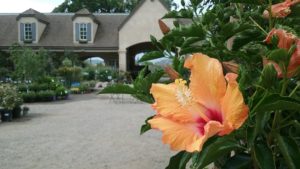
Tropical Hibiscus

Bring shades of Hawaii to your plantings with glossy leaved tropical hibiscus, again in lots of vibrant colors like red, orange and pink. We have these both in bush and patio tree forms, to give instant height to your garden. Plant these in a protected spot in the garden as they require shelter from the frost and wind. Hibiscus love sun and heat. They bloom late spring through the fall.
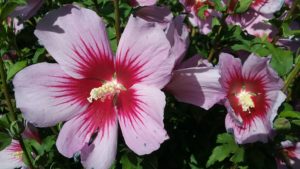
Rose of Sharon

A deciduous, frost hardy member of the Hibiscus family is the Rose of Sharon. It produces stunning flowers in the summer and makes an excellent single stemmed tree as well as a large shrub.
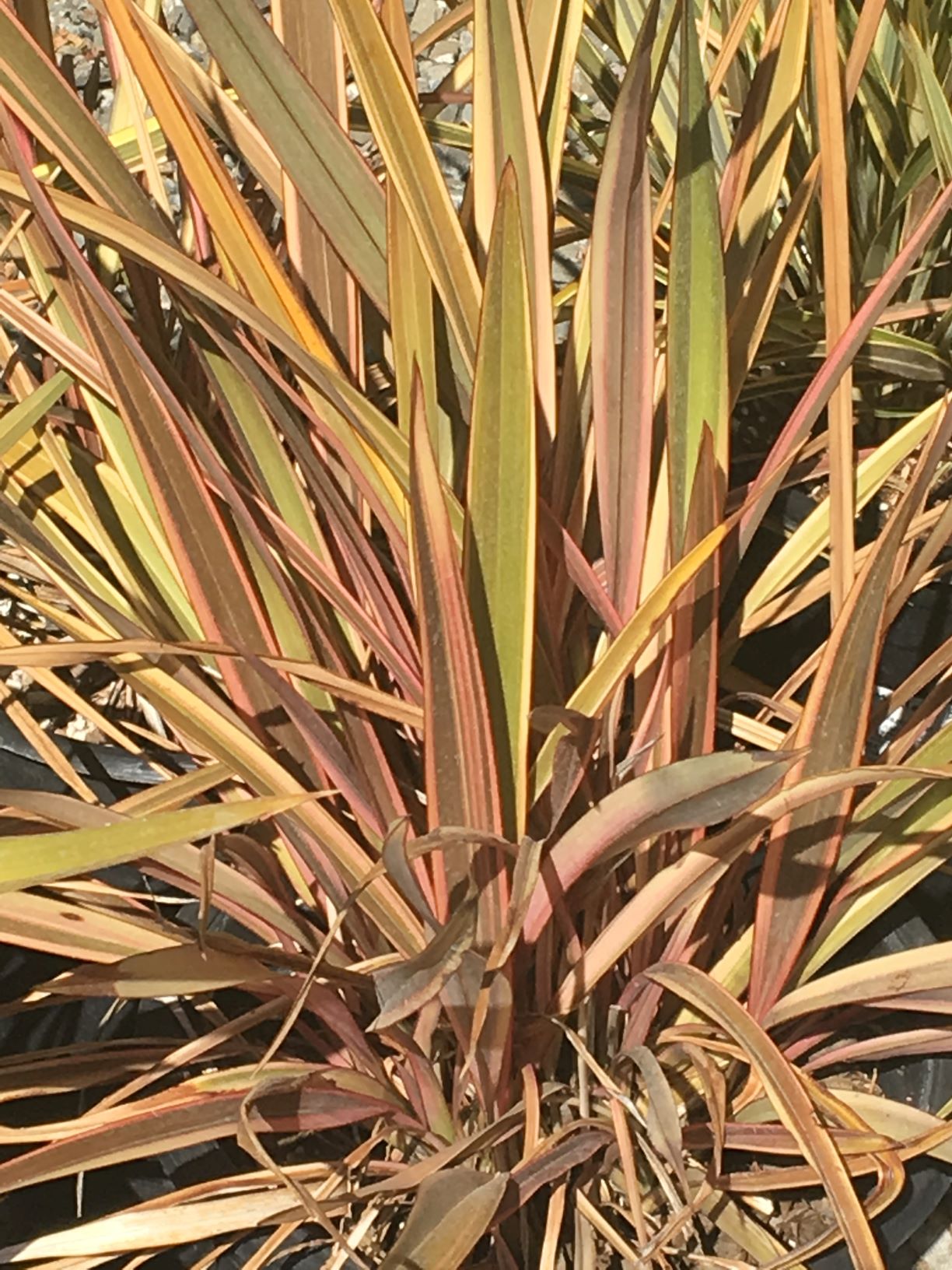
Cordylines & Phormiums

Add tropical texture with the addition of Cordylines and Phormiums. Both have sword-like leaves but attain different heights. Cordyline is an exceptional plant to use for height and texture in container plantings. Available with bronze/red or green foliage.

Phormiums or New Zealand Flax are big dramatic plants with sword-like leaves. They produce red or yellow flower clusters on stems that reach high above the leaves. Available in foliage colors ranging from purple-red, bronze, purple and variegated with green leaves with a creamy white stripe. Available in varieties with varying heights from 3-9′.

The tropical Hibiscus and Bougainvillea are frost tender but can survive in the Tri-Valley area. They may freeze back to the ground in harsh winters but should re-grow. In sheltered spots or mild winters, they should be fine, but we recommend the use of insulated fleece blankets and bags, plus non-LED type Christmas lights to add a little extra warmth on those cold winter nights. Planting in pots also means that you can move them into a more sheltered position at the end of the season.